
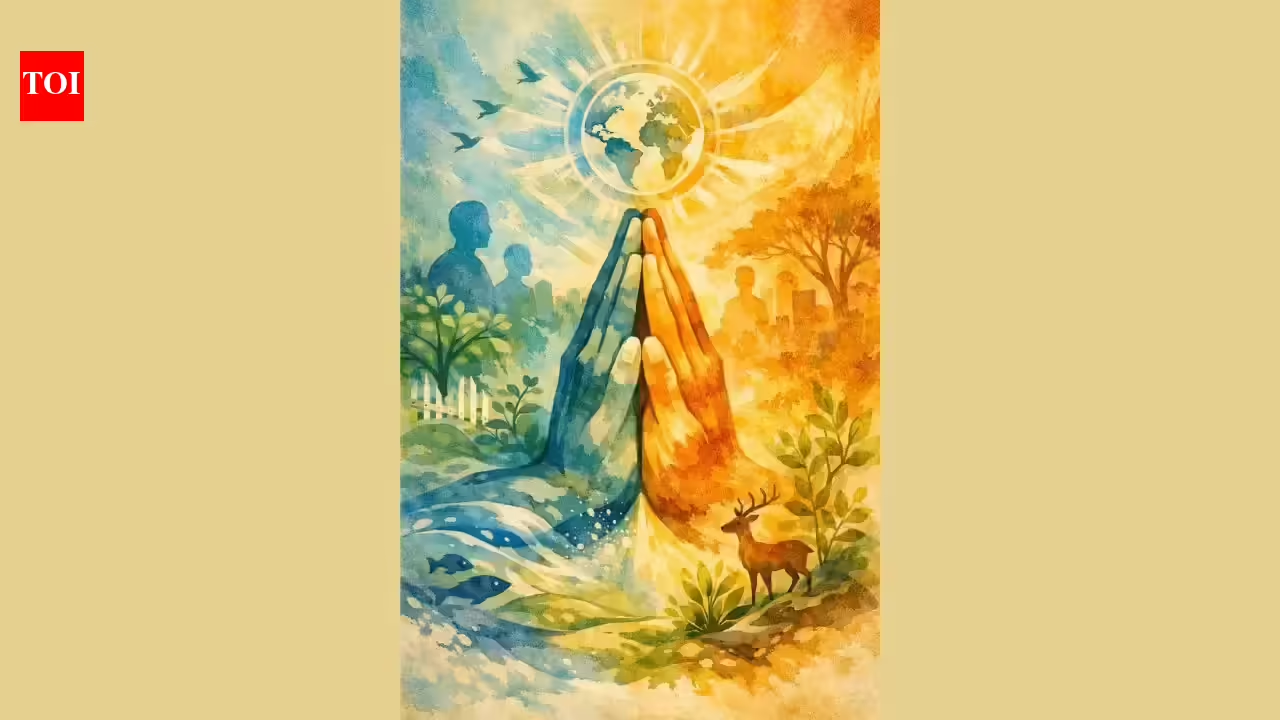
Namaste, with both hands folded in front of the heart chakra accompanied by a slight bowing of the head is a ‘whole-hearted’ gesture that may convey simple greeting, respect, reverence and compassion. It requires both hands – the right one connected to the left hemisphere and the left to the right side of the brain. As a form of no-contact greeting, apart from cultural tradition, its therapeutic value lies in the fact that each hand is the seat of several nerve endings and vital points. Taoists maintain the right hand is yang, masculine, the left yin, feminine; their joining allows positive and negative charges to flow evenly. The Covid Pandemic mandated avoiding all sorts of physical contact, more importantly hand shaking, which is known to spread a number of diseases. Soon it was replaced by fist and elbow bumps. When touch-me-not became the norm, and hugging remained a distant wish, Namaste appeared as a safe alternative — precautionary and preventive, acting against the transfer of microbes.Handshakes were used as a form of greeting while meeting or departing, expressing thankfulness as well as a way of sealing a deal. Its historical origin seems to suggest demonstration of peaceful intent, since it showed that the hands were free of any weapon. Namaste implies a certain ‘bowing to you.’ The ‘you’ here indicates a recognition of ‘the divine’ in you- ‘I honor the place in you where the entire universe resides- the place of peace and truth, and love and light. When you are in that place in you, and I am in that place in me, we happen to be in the same place.’ This elevates the gesture from simple physical connectedness to a spiritual one signifying the innate sacredness of each human.In yogic practices, the gesture while standing is called pranamasan, in the Natya Shastra text on dance, namaskar is known as Anjali Mudra. Buddhist and Jain practices and iconography also attest to its widespread, ancient use.Namaste upholds the confirmation of otherness through the bridging of any existing gaps. In its ‘other-neutral-ness’ it goes beyond caste, creed, class, age, status, rank, privilege, and ethnic background. Namaste does not differentiate, it can be offered to a saint, sinner, king, and stranger. It also helps in acknowledging the presence of others upon entering any unfamiliar or unknown gathering.Namaste is used in worshipping, welcoming, showing gratitude, a thank-you sign, paying homage, as a salute, pleading, requesting, a sign of supplication, ending a public talk (no possibility of shaking hands of all those present). It combines humility, appreciation, and honoring. Its versatility becomes clear once again when it acts as a medium for deeper emotions, intentions and expression of gratitude as shown in the Surya Namaskar for the sun as the vital source of warmth and light. Namaste overcomes the cultural limitations, or taboos of shaking hands, hugging and kissing the opposite sex unless they are close relatives. Namaste offers a decent, respectful way out here. As cultural and business practices gain global recognition as an addition to the existing ones, namaste seems to fill in several gaps. We can see namaste’s multiple benefits, from sanitary observance, psycho-emotional expression, therapeutic, to humanitarian and spiritual significance. Joining our hands together in private, or in its other variation of intertwined fingers, we silently pray for someone’s well-being, express gratitude or reflect on something.Japanese monk Shunmyo Masuno, also a famous garden designer, who believes that developing a sense of respect for all things is no small step in becoming an ethical human being, both with respect to other humans and the environment at large, explains the spiritual significance of what in Japanese is gassho, with the right hand representing anyone other than yourself. It might be the Buddha or God or perhaps someone around you. The left hand represents you. Gassho signifies bringing these two together to become one. It is an offering of humility, expressing respect for those outside yourself.Authored by: Homayun Taba