


The resale market for fashion is booming. Platforms like Vinted, Depop and eBay have made it easier than ever to find unique, affordable footwear while reducing waste but while buying pre-loved clothing can be fairly straightforward, second-hand shoes come with their own unique challenges that shoppers often do not anticipate. Unlike a vintage jumper or pre-owned jeans, shoes undergo structural changes as they are worn and these cannot always be reversed or easily spotted in online listings.What looks like a bargain in photos might arrive unwearable, leaving buyers frustrated and out of pocket. This is why we have put together a guide to help shoppers navigate the second-hand shoe market with confidence. Sweat not as we got an expert from the footwear industry on board, who understands exactly what to look for and what to avoid when buying pre-loved shoes online.
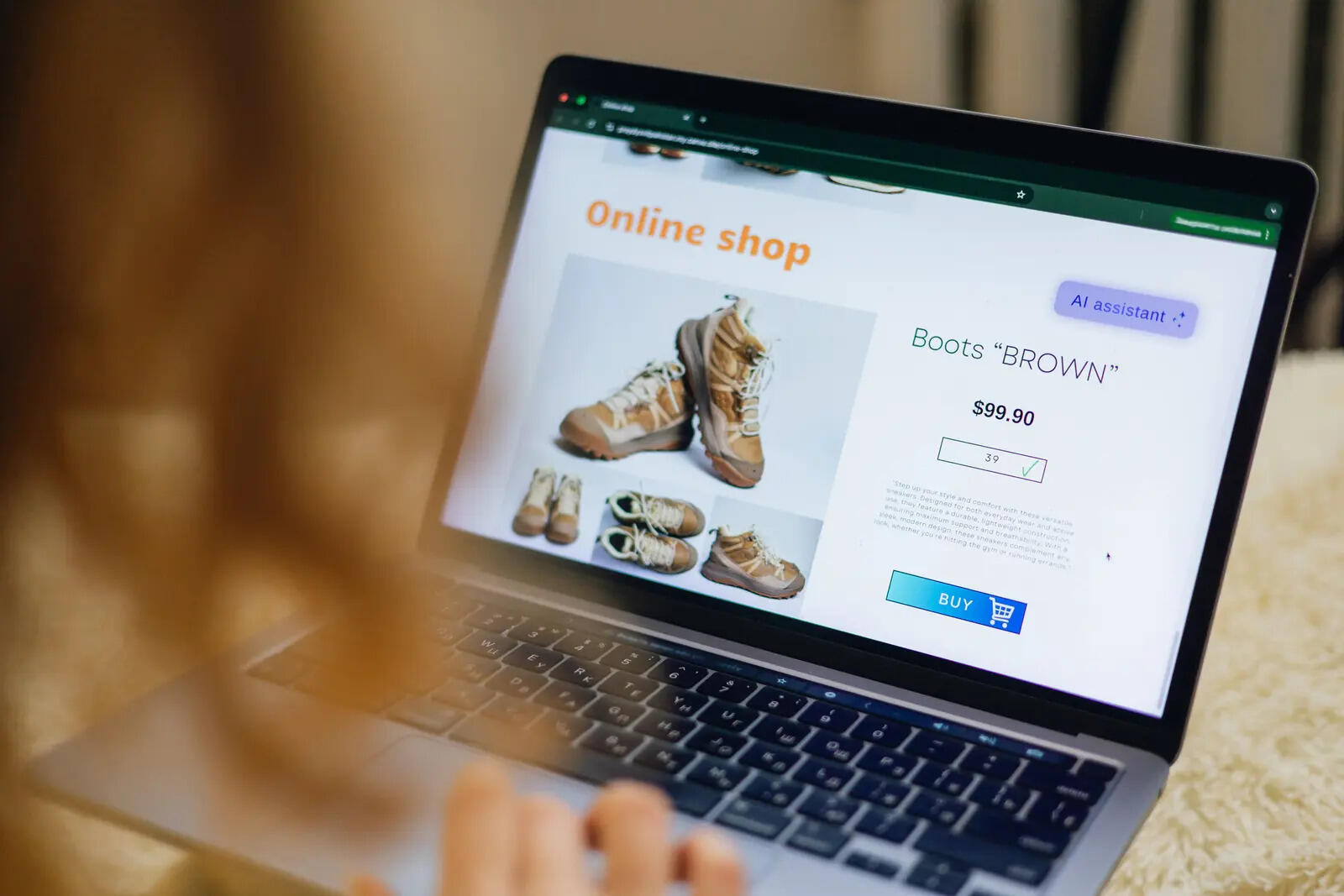
Structural issues that photos don’t always show could leave you with unwearable footwear.
Read on as we reveal the most common mistakes buyers make when shopping for second-hand footwear and practical advice on how to spot warning signs before committing to a purchase.
Fit and wear mistakes buyers overlook
A big misconception about buying second-hand shoes is that a bit of wear will not matter. Certain types of damage fundamentally affect how a shoe performs, some of which can’t be fixed.
- Sole Wear: The sole is the shoe’s foundation. Once it’s worn down unevenly or thinned out, the entire structure is compromised. When you buy shoes with significant sole wear, you’re getting footwear that may no longer provide proper support or grip. In an interview with the Times of India, Leanna Spektor, Co-Founder and Style Expert at Brand House Direct (a leading Australian online retailer specializing in footwear, apparel and accessories)“Check photos carefully for worn-down heels or smooth, slippery soles. Even if the upper looks pristine, a worn sole can make the shoes uncomfortable or even unsafe to wear.”
- Structural Fatigue: Shoes are designed to flex and bend with your foot. Over time, this movement breaks down the materials. The midsole compresses, the arch support flattens and the overall structure weakens. Leanna warned that structural fatigue isn’t always visible in photos. “You might not see it until the shoes arrive and they feel flat or unsupportive. If a seller describes shoes as ‘gently worn’ but they’ve clearly been someone’s daily pair for months, the internal structure is likely compromised.” According to a 2025 study in The International Journal of Advanced Manufacturing Technologythe authors noted, “Footwear products’ environmental impact is highly affected by product durability… This extension of the product’s life cycle reduces the frequency of production and disposal.” It confirms that durability (or lack of it) is central to footwear performance and lifespan and reinforces that once the structural elements degrade, the shoes lose functional value, not just aesthetic appeal.
- Stretching That Can’t Be Reversed: Shoes naturally mold to the wearer’s feet over time. Leather stretches, insoles compress and the shoe takes on the shape of the previous owner’s foot. “A size 8 that’s been worn in by someone with wider feet won’t fit the same as an unworn size 8,” Leanna explained. “Look for shoes that haven’t been heavily worn, or at least check if the seller mentions stretching or molding.”
Why shoes age differently from clothing
Unlike a cotton dress or denim jacket, shoes experience constant pressure, friction and moisture. These cause materials to break down in ways that are not always repairable. “You can often refresh or repair vintage clothing,” said Leanna. “But shoes have cushioning, support systems and adhesives that deteriorate with age and use.”
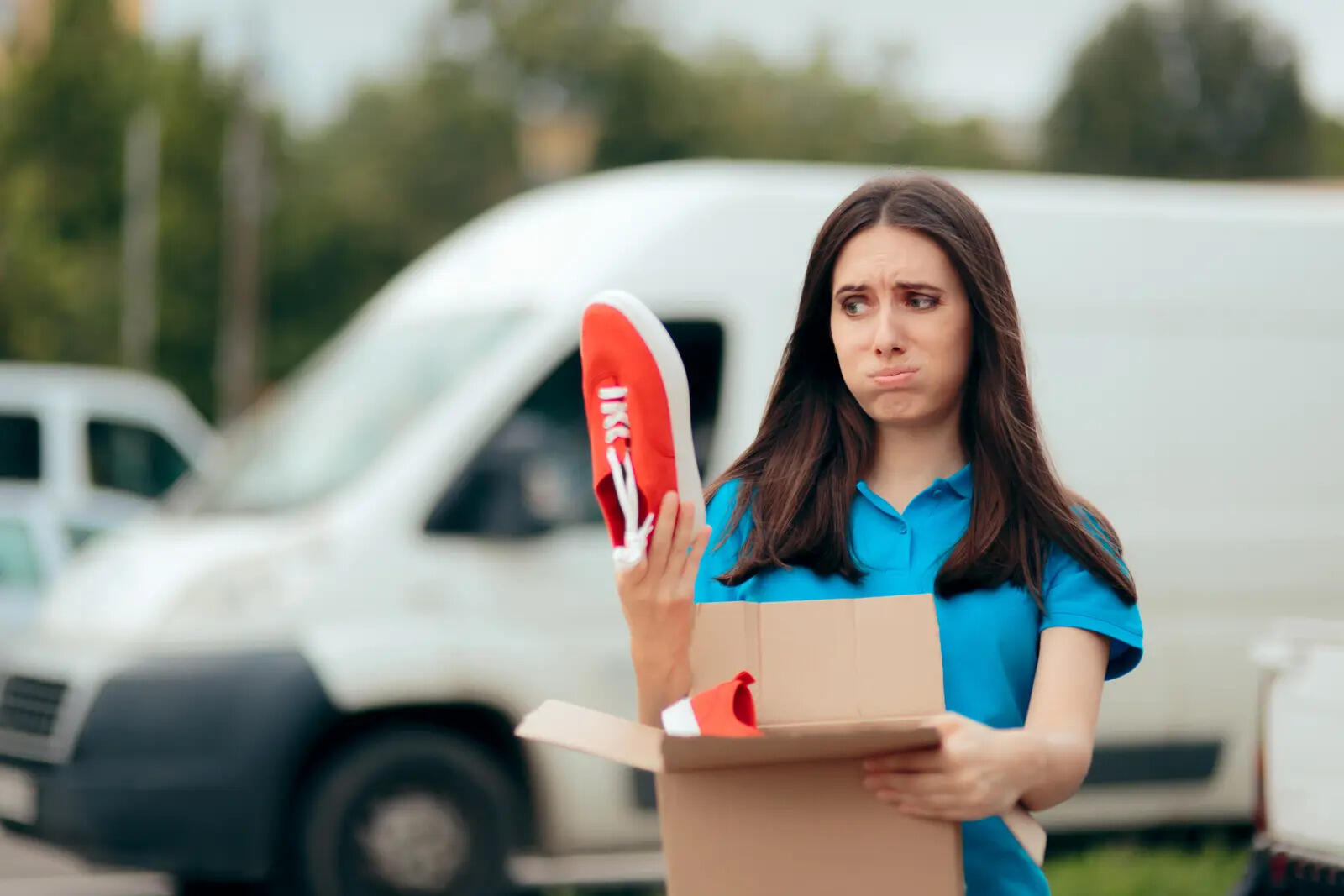
Key pitfalls include overlooking sole wear, choosing materials that degrade quickly and falling for misleading product descriptions on resale platforms.
A 2024 peer-reviewed work cited in 2026 research cycles and published in Footwear Sciencefound, “These cellular materials are gradually damaged… it is critical to understand their mechanical behavior in fatigue.” It is a direct evidence that midsoles compress and degrade over time and backs the claim about structural fatigue being invisible in photos but impactful in wearability.
Shoe materials that don’t age well
Not all shoe materials are created equal when it comes to longevity. Leanna highlights which materials to approach with caution when shopping second-hand.
- Leather Cracking: Leather is generally durable but it needs proper care. When leather shoes are neglected, they dry out and crack, especially around flex points. Once leather has cracked deeply, it can’t be fully restored. “Some leather wear can add character. Think broken-in Dr. Martens or vintage boots,” Leanna noted. “But if you see deep cracks or flaking, the leather has passed the point of no return.”
- Synthetic Breakdown: Synthetic materials like polyurethane and certain foams degrade over time, even if the shoes haven’t been worn much. This is particularly common in older trainers, where the midsole can crumble. “Synthetics have a shelf life,” Leanna warned. “A pair of unworn trainers from the early 2000s might look perfect in photos but the materials could disintegrate the moment you try to wear them.”
- Glue Degradation: Modern shoes are typically glued rather than stitched and over time, those adhesives weaken. The sole may start separating from the upper, or layers may begin peeling apart. “If you see any signs of separation in the photos (gaps, lifting edges, or visible glue residue), it’s a sign that the shoe’s construction is failing,” said Leanna.
Platform pitfalls on resale apps
Even if you know what to look for in the shoes themselves, buying on resale platforms comes with its own challenges. Leanna shares her top tips for navigating listings safely.
- Misleading Condition Labels: Sellers often have different standards for what “good condition” or “gently worn” means. One person’s “like new” might be another person’s “well-loved”. “Don’t rely solely on the condition description,” Leanna advised. “Look at every photo closely and ask for additional images if needed, especially of the soles, insoles and any high-wear areas.” A recent 2026 industry analysis by Alibaba Research and resale datasets in Ultimate Guide to Selling Used Shoes Online: Data Challenges & Strategic Solutionhighlighted, “Shoes carry unique data vulnerabilities: they’re highly… condition-sensitive… (with) ‘condition grading subjectivity’ a major source of failed listings.” The report confirms that second-hand shoes are harder to evaluate than clothing and supports the points about misleading condition labels, hidden wear and buyer frustration.
- Incomplete or Too Few Photos: A listing with only one or two photos is a red flag. Shoes need to be photographed from multiple angles to give buyers a true sense of their condition. “If a seller only shows the outside of the shoes, ask yourself: what are they not showing?” said Leanna. “Request photos of the insoles, the sole tread, and any areas that typically show wear.”
- Return Limitations: Unlike traditional retailers, resale platforms often have limited or no return policies. Once you’ve committed to a purchase, you may be stuck with shoes that don’t fit or don’t match the description. “Read the platform’s return policy carefully before buying, and don’t be afraid to ask the seller questions upfront,” Leanna advised. “It’s better to spend a few extra minutes clarifying details than to end up with unwearable shoes and no recourse.”
The booming resale market has made buying second-hand shoes more accessible but unlike clothing, footwear presents unique risks due to structural wear that affects comfort, fit and safety. Issues such as worn soles, internal cushioning breakdown and irreversible stretching can make shoes unwearable, even if they look good online.Materials like leather, synthetics and adhesives also degrade over time, further reducing durability. Combined with inconsistent condition descriptions, limited photos and restrictive return policies on resale platforms, these factors mean that buyers need to carefully assess listings and ask questions to avoid costly mistakes.