- hindi news
- Business
- AI Data Centers Creating ‘Data Heat Island Effect’: Cambridge Study Shows 2°C Temperature Rise, Impacting 340 Million People
New Delhi2 days ago
- copy link
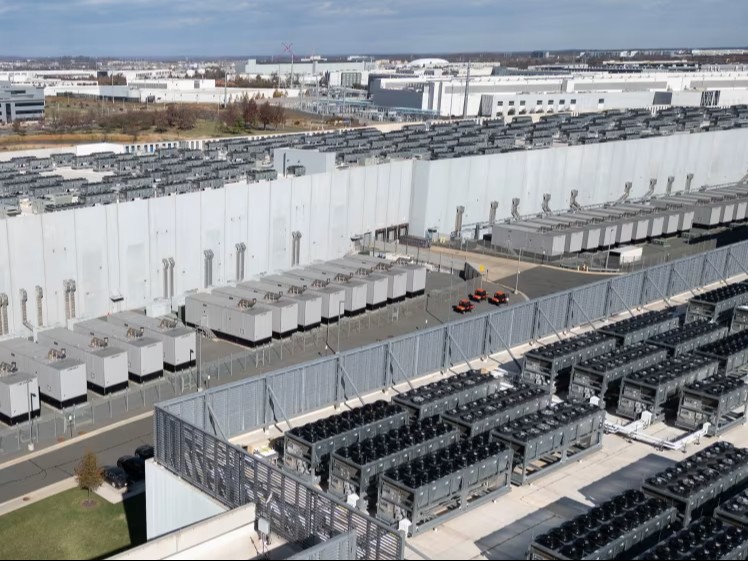
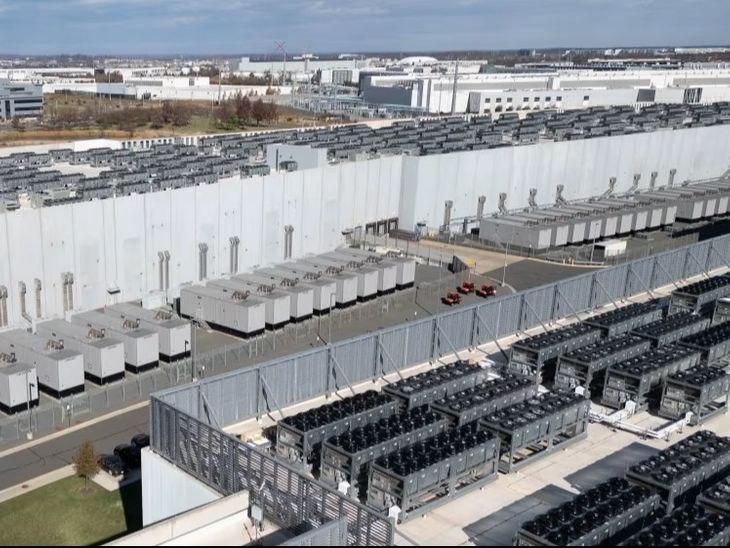
The temperature in Artificial Intelligence (AI) data centers is rising. Research by Cambridge University said that where these data centers are working, the temperature has increased by an average of 2 degrees Celsius. scientists have called it ‘The data is named ‘Heat Island Effect’.
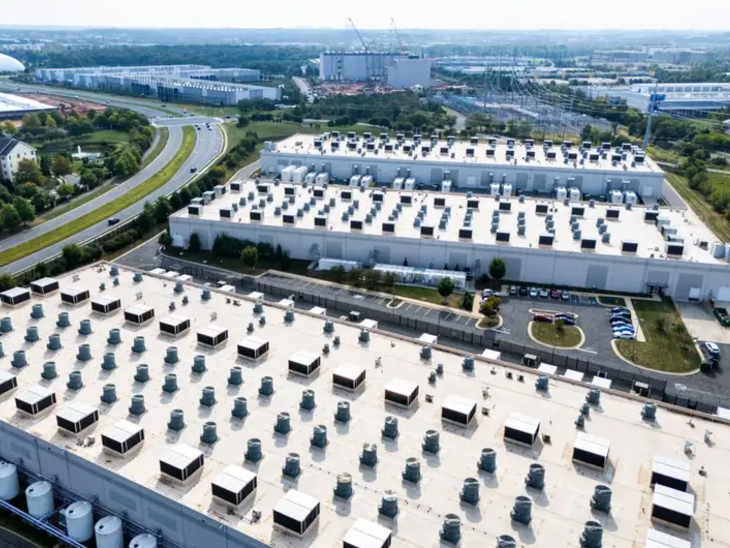
Providing AI services requires a huge amount of electricity and computing power.
Heat increased within 10 km radius of data centers
Researchers analyzed satellite data of the last two decades. It was found that as soon as an AI data center becomes operational in an area, the temperature there suddenly increases.
data The temperature near the center has increased by an average of 2.07 degrees Celsius. At some locations, the temperature increased up to 9.1 degrees Celsius.
The impact is not just limited to the data center boundary. An increase in temperature is being seen up to a radius of 10 kilometers from the centre.
4 big things about research…
1. Data Heat Island Effect
By now the concept of urban heat island had come to the fore, where due to concrete forests and increasing population, the temperature of cities remains 4-6 degrees higher than that of villages.
Now AI infrastructure has also joined this league. Providing AI services requires a huge amount of electricity and computing power, the heat generated from which is directly affecting the local environment.
Data What is the heat island effect?
This is a situation when excessive heat emanating from AI data centers increases the temperature of the local environment around them. The powerful servers and cooling systems running AI models expel hot air 24/7, creating heat islands in urban areas.
This not only increases the local temperature, but also results in a huge increase in water and electricity consumption to keep the AI centers cool. In simple words, it is a new environmental thermal pollution caused by the digital revolution.

2. Impact on the health of 34 crore people
According to the study, about 344 million people around the world are living in such areas which are vulnerable to the heat of these data centers. Many data centers are built away from cities, yet their impact is on a large scale.
Scientists have warned that this will not only affect people’s health, but will also increase the consumption and expense of electricity to keep homes cool.
3. Study in Spain, Mexico and Brazil
Researchers conducted case studies in Aragon of Spain, Bahia of Mexico and north-eastern areas of Brazil. There are clusters (groups) of data centers here. An abnormal increase in temperature has been observed here. Carbon emissions have also increased rapidly with heat.
4. Coming danger- heavy consumption of electricity
According to researchers, in the next decade the data center sector will become one of the most electricity consuming sectors in the world. The electricity used for their computing will soon surpass the budget of the manufacturing sector.
The matter of concern is that most of the AI infrastructure is dependent on electricity running on fossil fuels (petrol-diesel, coal and natural gas etc.), which is increasing both heat and pollution.

Read this news also…
Danger of internet outage across the world including India: Fear of damage to cables laid in Hormuz due to war; 97% of global data in the ocean

After the worldwide energy crisis due to the Strait of Hormuz being affected due to the US-Israel and Iran war, there is now a danger of internet being disrupted. The reason for this is that not only does 20% of the world’s crude oil and 25% of LNG pass through the Hormuz Route, but internet cables are also laid under this route.
If tension increases in this area or cables are damaged, internet speed may slow down all over the world including India. Experts believe that this area is not only an energy chokepoint but also a digital chokepoint. Read the full news…