


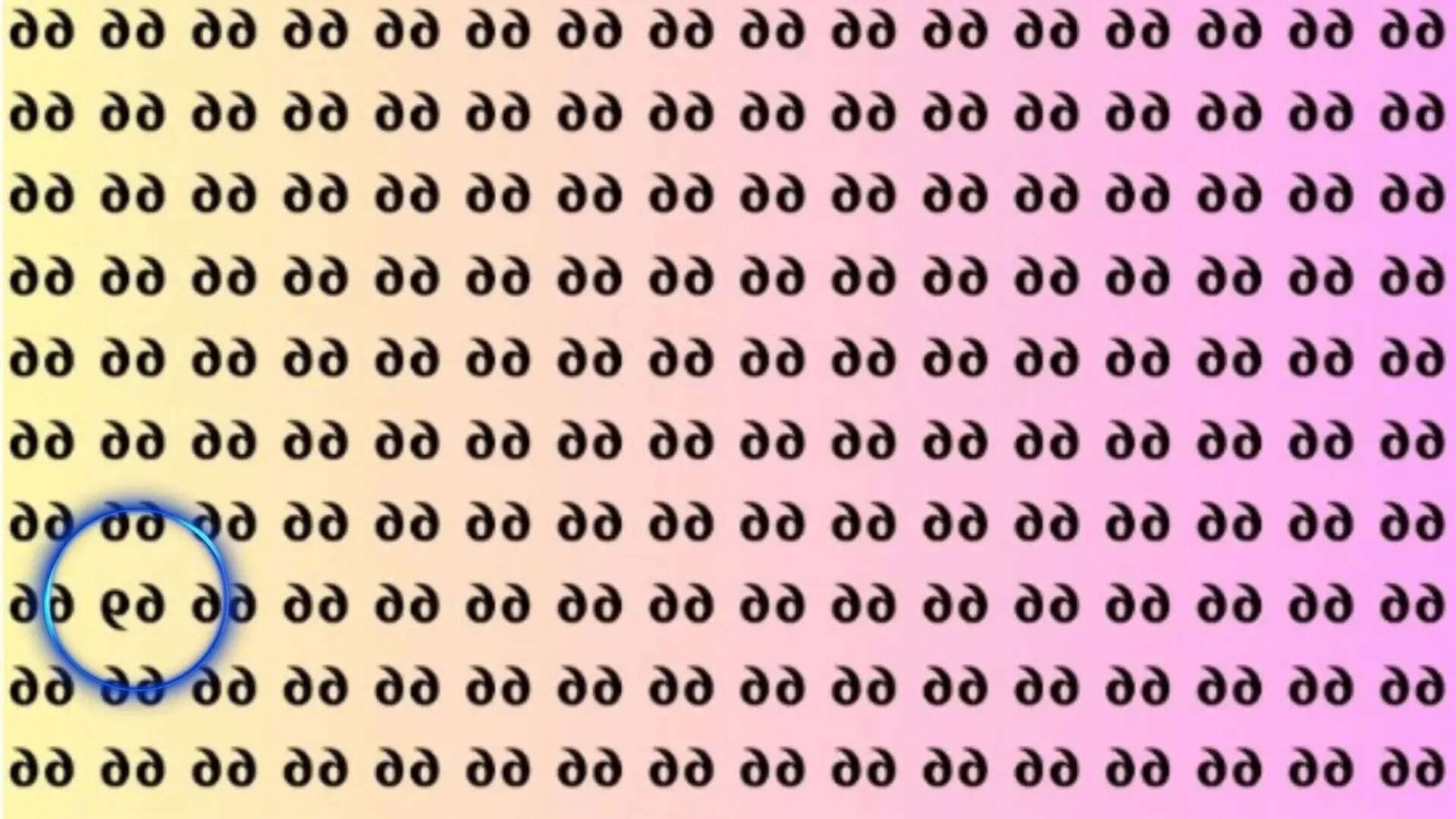
A grid full of the number 66, neatly arranged, almost calming to look at. But hidden inside this sea of sameness is one number that quietly breaks the pattern.This kind of brain teaser does something interesting. It slows the mind down, pulls attention closer, and invites a child to look again. Not just quickly, but carefully. And that’s where the magic begins.

Why kids love this kind of puzzle
Children are naturally drawn to patterns. Repeating shapes and numbers feel safe and predictable. But when one small detail changes, it sparks curiosity.A puzzle like this does more than entertain. It builds focus. It teaches patience. And most importantly, it shows that not everything is what it seems at first glance.Parents often notice that children start scanning faster the second time. They begin to compare, not just look. That small shift is a big step in how the brain learns to observe.
Look closely: where is the odd one hiding?
Most eyes glide over the grid and see only 66, 66, 66. The repetition tricks the brain into relaxing too soon.But hidden in plain sight is 69.This is what makes the puzzle fun. The answer feels obvious after spotting it, but reaching that moment takes effort.
What makes this puzzle tricky?
The brain loves shortcuts. When it sees repeated information, it stops checking every detail. It assumes everything is the same.That is exactly why this puzzle works so well. The numbers 66 and 69 share the same digits, just arranged differently. The mind reads quickly and fills in the rest.So what’s the lesson here? Careful observation matters. Slowing down can reveal what speed often hides.This idea goes beyond puzzles. It shapes how children read, learn, and even solve problems in school.The number is hidden in the second row and the third last column. The difference is subtle. The digits are the same, just flipped. That tiny inversion is enough to fool even sharp eyes for a few seconds.The solution is here:
A small moment that builds big skills
A simple number game like this can turn into a bonding moment at home. Sitting together, scanning the grid, sharing guesses, and finally spotting the answer creates a sense of achievement.It also gently teaches resilience. Not finding the answer immediately is not failure. It is part of the process.Over time, these small challenges help children trust their thinking. They learn to look twice, question patterns, and stay curious.