

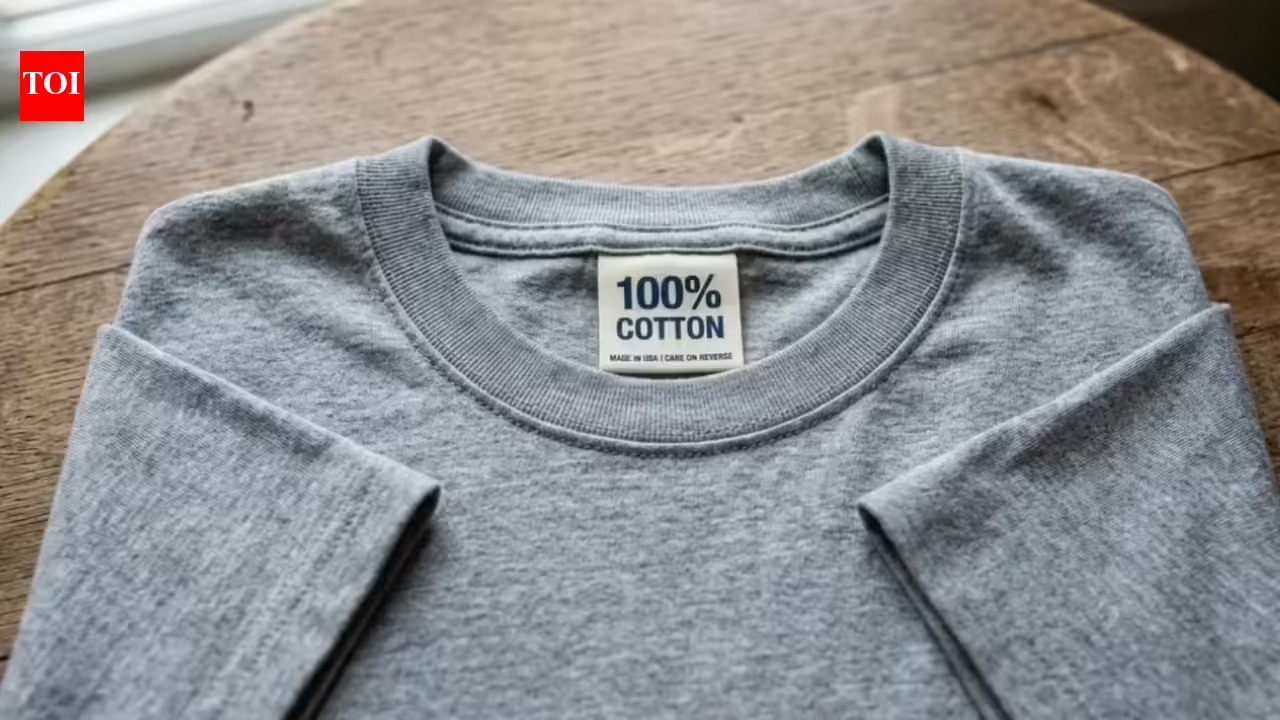
Representative image generated using AI
During this scorching summer, most of us instinctively reach for breathable, ‘pure cotton’ clothes. You reach for the label that reads ‘100% cotton’ and think it’s the perfect solution to beat the heat. But what if the label is actually lying to you? Dr Tania Elliott, a board-certified internal medicine specialist and allergist based in New York, has called out the marketing sleight of hand that’s been hiding in plain sight on clothing labels for years.
The tricky label
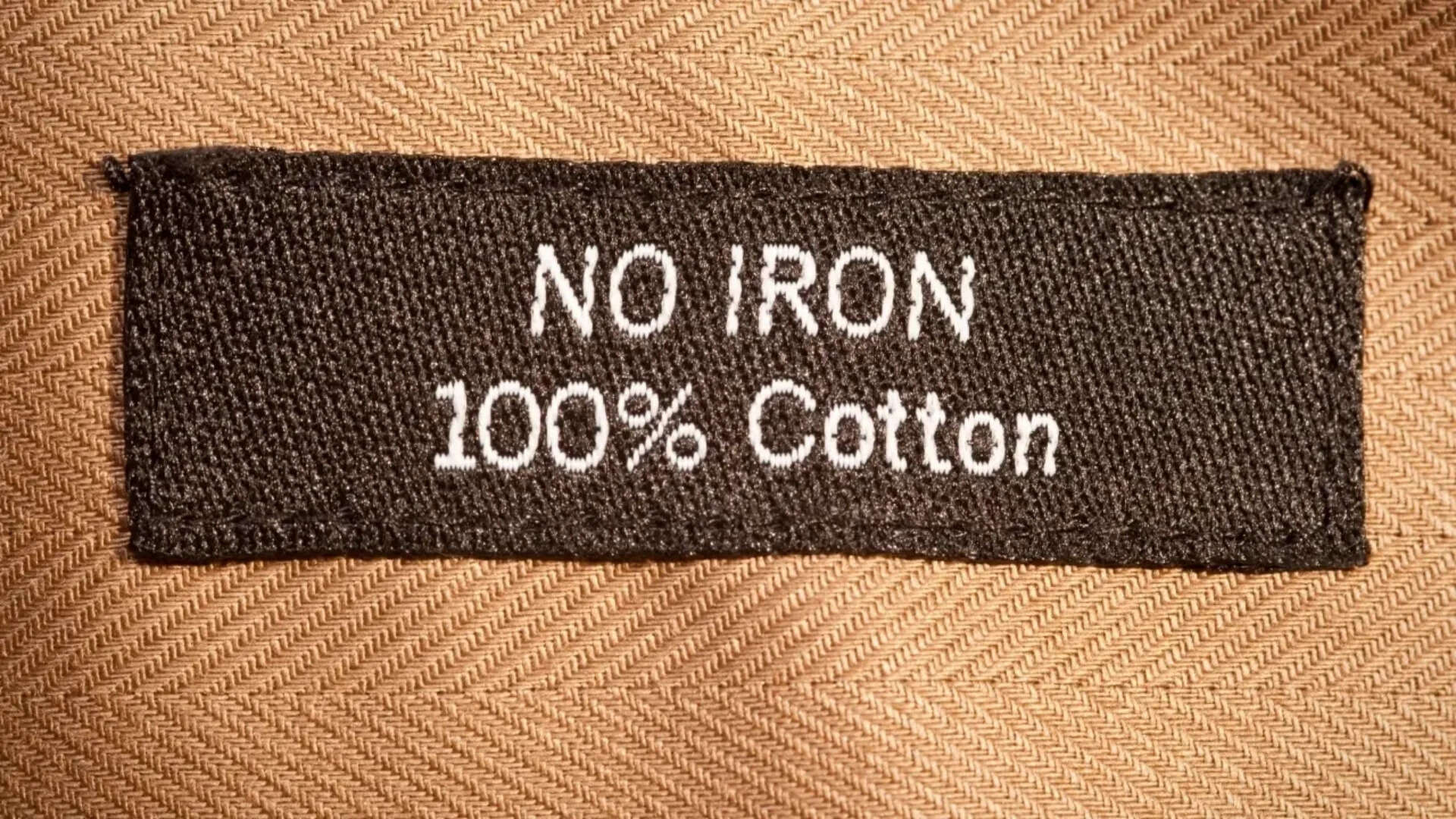
You read ‘made with 100% cotton’ and just add it to your basket. Just like that. Without giving it a thought. Most people fall for this clever deception. In a video shared on Instagram, Dr Elliott explains how people are often misled by this label. “When you see 100% organic cotton on a clothing label, you think it’s 100% cotton, right? Think again,” she urges.So, a ‘100% cotton’ label does not mean it is pure cotton. Not really. “Check your clothing label for this before buying it: ‘made with 100% cotton’. This sneaky wording only means that the cotton used is 100% cotton,” the doctor explains.
How to read the label carefully
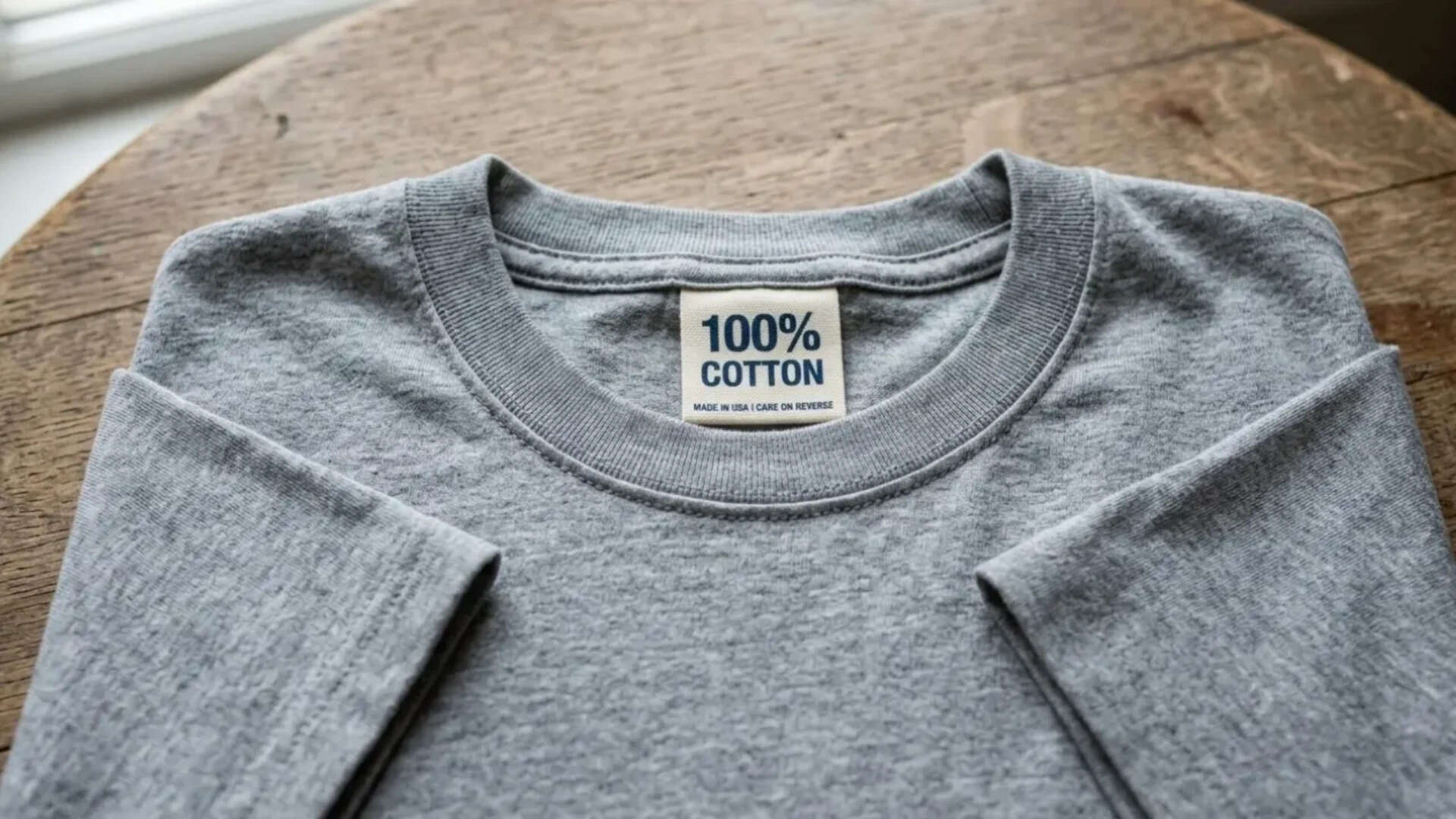
Representative image generated using AI
People may have different reasons for purchasing pure cotton outfits. For those with sensitive skin, allergies, or dermatological conditions, fabric composition isn’t just a style choice. Their skin may respond differently to synthetic fibers like polyester, which can trap moisture, heat and bacteria. This can potentially trigger reactions, eczema flare-ups or contact dermatitis. So, for many people, choosing natural fibers that allow the skin to breathe and are less likely to irritate is more than a style choice.How do you know the fabric composition of the clothes you buy? It’s quite simple. Stop trusting the marketing on the front of the label, and instead do this:Flip the label over. “If you really want to know what material your clothing is made with, you need to check the label, flip it over, and read the fabric content,” the doctor says.The ‘fabric content’ label will give you an accurate breakdown of every material used in the garment. This will be listed by percentage. You will typically find a list such as ‘65% cotton, 35% polyester’ or ‘100% organic cotton’. Now, that’s the real composition and the truth.
About the Author

Previous Post
Next Post