


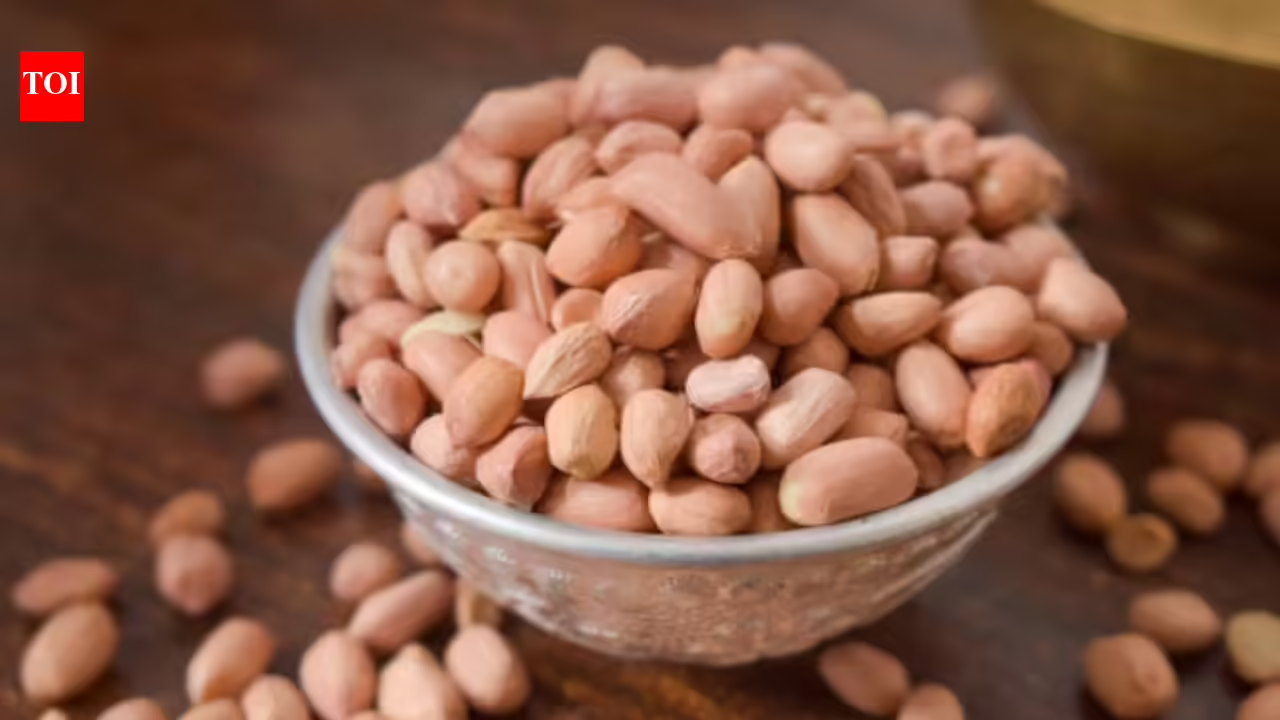
If you’re scrolling through Instagram or TikTok these days, you’ve probably seen peanut curd pop up in your feed. The creamy, nutty alternative to traditional dairy curd is having a major moment, and it’s not just hype, there’s actually real nutritional substance behind the buzz.But here’s the thing: peanut curd and regular curd aren’t exactly the same thing. And depending on what you’re trying to get out of your food, that difference might matter. A lot.
The protein situation
Let’s start with the obvious one. Peanuts contain about 24.4 grams of protein per 100 grams, compared to regular yogurt’s 3.5 grams. If protein is what you’re after, whether for muscle building, workout recovery, or just keeping yourself full through the afternoon—peanut curd is going to win every single time.The protein in peanuts isn’t just abundant; it’s also functional. Peanuts are rich in the amino acid arginine, which is reported to improve endothelial function through nitric oxide release. Research is already backing this up. Auburn University has been running clinical trials studying How peanut protein supplementation affects muscle growth during resistance training, with results suggesting it genuinely helps older adults build and maintain muscle mass. This matters more than you’d think, especially as we age and sarcopenia (muscle loss) becomes a real concern.
The fiber and fat story
Regular curd? Pretty much no fiber. Peanuts have 8.4 grams of dietary fiber per 100 grams, while yogurt contains insignificant amounts. That fiber is doing work in your digestive system—helping with satiety, supporting gut bacteria, and keeping your blood sugar from spiking.Now, the fat situation gets interesting. Yes, yogurt has 73% less saturated fat than peanuts, which makes some people nervous. But here’s what you need to know: most of the fats in peanuts are unsaturated. fats that actually help lower cholesterol levels. These aren’t the fats that harm your heart. Research suggests peanuts are every bit as good for heart health as more expensive nuts like walnuts and almonds.In fact, studies have shown that despite being high in calories, peanuts may actually help you maintain a healthy weight. one study found that people who ate peanuts before meals lost about the same amount of weight as those on strict low-fat diets. The protein and fiber combo just makes you feel full for longer, so you naturally eat less overall.
What does regular curd have?
This isn’t about trashing traditional curd. Regular curd has serious health benefits that peanut curd can’t replicate. Curd contains probiotics and live cultures that boost digestion and enhance immunity by helping the body fight infections. Plus, curd is a rich source of calcium, improving bone health.But here’s the thing about probiotics: peanut curd contains gut-healthy probiotics produced from the same culturing techniques as regular curd. The only real difference is what the probiotics are actually fermenting—peanut milk instead of dairy milk.
The lactose situation
For anyone who’s ever felt bloated after eating curd, listen up. Peanut curd is 100% lactose-free because it’s completely plant-based. No lactose means no bloating, no indigestion, and none of that inflammation some people get from dairy. That’s huge if you’re someone who’s always felt a little off after yogurt or curd but couldn’t quite figure out why.Neither is objectively “better”, it depends on what you need. If you’re chasing protein, fiber, and plant-based options, peanut curd is the move. If you need serious calcium and tolerate dairy well, regular curd holds its own. But if you’ve been curious about trying it? There’s legitimate nutrition backing the hype.