




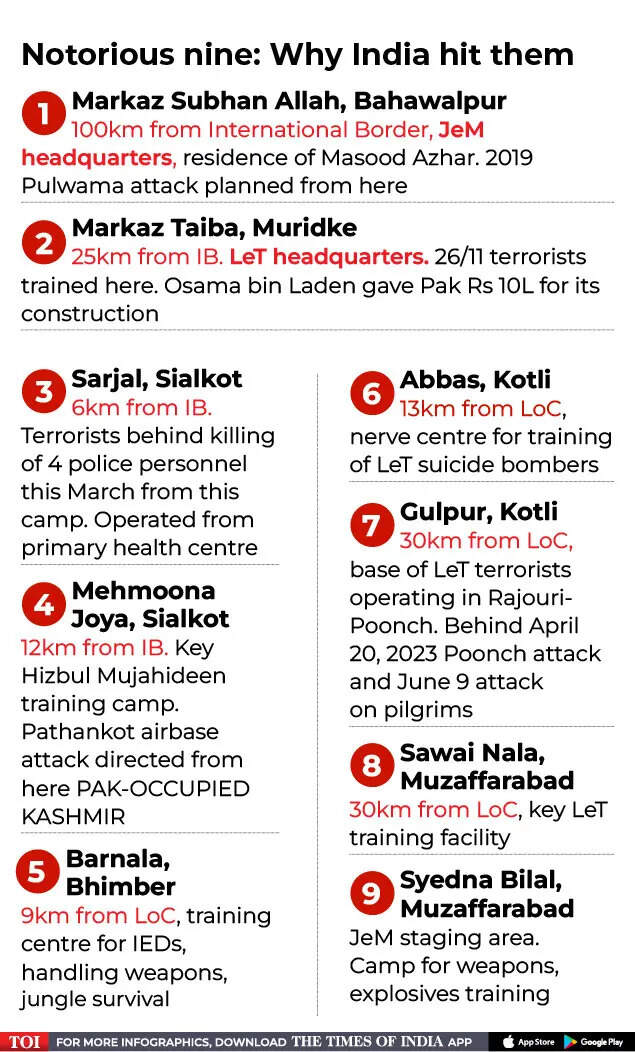
The primacy, and limits, of air powerOperation Sindoor reaffirmed the centrality of air power in shaping early battle outcomes. Precision strikes, suppression of enemy air defenses, and rapid force projection enabled India to seize initiative in critical sectors. Yet, the operation also reinforced a contemporary reality: air superiority is transient, contested, and resource-intensive.Aircraft availability rates, maintenance cycles, and limited numbers of enablers such as AWACS constrained sustained dominance. The lesson is not simply to acquire more platforms, but to enhance resilience—dispersed basing, hardened shelters, rapid runway repair, and redundancy in command networks. As Giulio Douhet’s proposition that “the bomber will always get through” now meets modern air defense realities, the contest between strike and shield defines air warfare.Attrition warfare in a high-tech battlespaceDespite precision weaponry and ISR dominance, Operation Sindoor gravitated toward attrition. This is not an aberration but a structural truth of modern conflict. High-end systems do not eliminate attrition; they redistribute it across domains—missiles, drones, interceptors, and logistics chains.
.
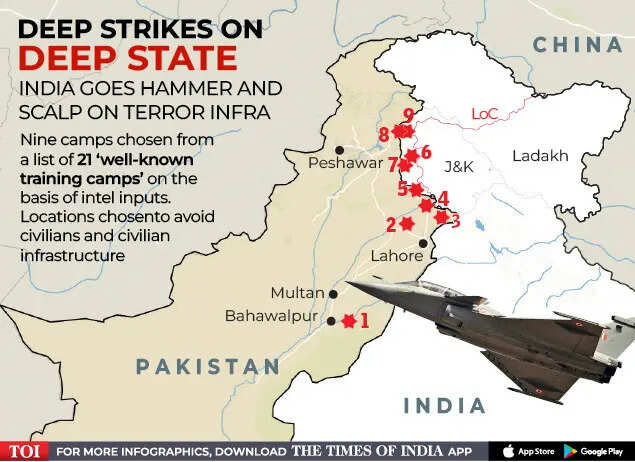
India must therefore recalibrate war reserves. Stockpiles of beyond-visual-range missiles, precision-guided munitions, and loitering weapons must be scaled for sustained operations, not short-duration contingencies. Clausewitz’s enduring observation—“War is an act of force, and there is no logical limit to the application of that force”—remains operationally relevant.Missile warfare and the imperative of scaleMissile warfare during Operation Sindoor compressed time and expanded reach. Stand-off strikes reduced exposure of manned platforms while increased dependence on missile inventories. This creates a new strategic vulnerability: depletion.Scaling production of systems like the BrahMos requires a transition from limited-batch manufacturing to continuous, modular production. This means multi-line assembly, vendor diversification, and advance procurement of critical sub-systems such as seekers and propulsion units.
.
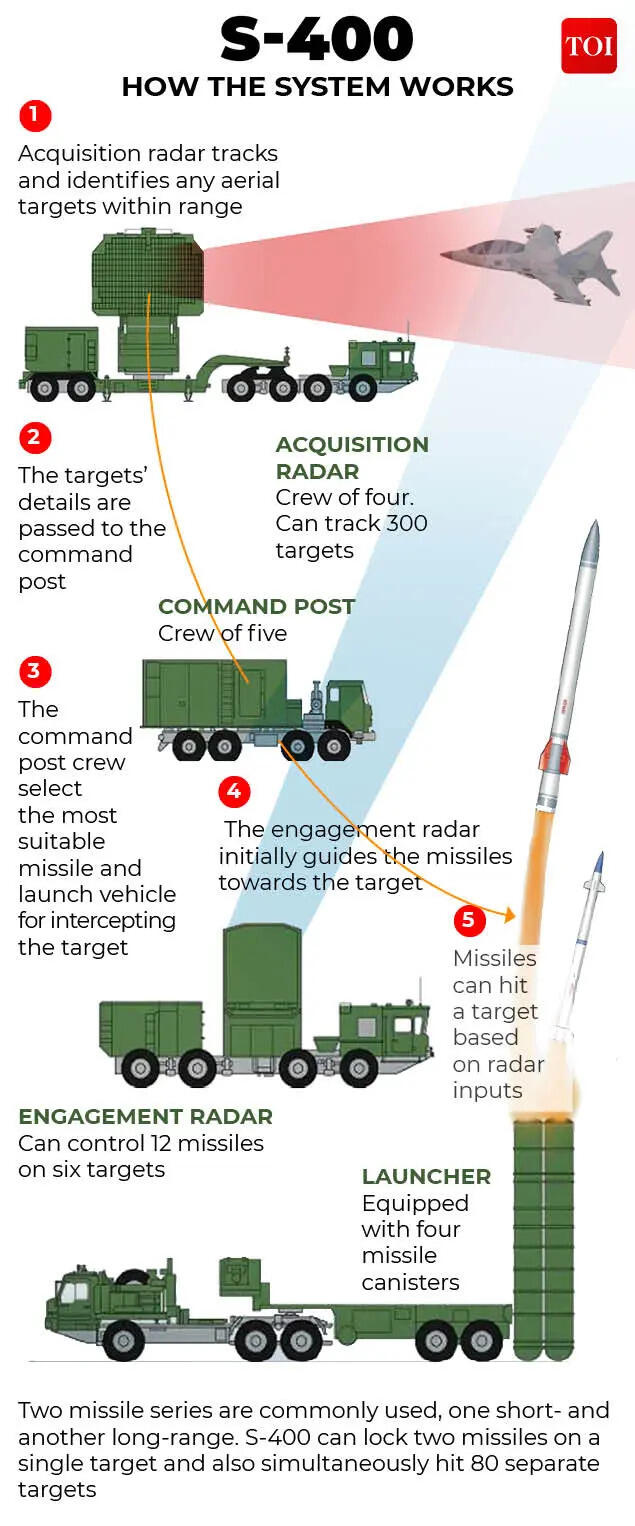
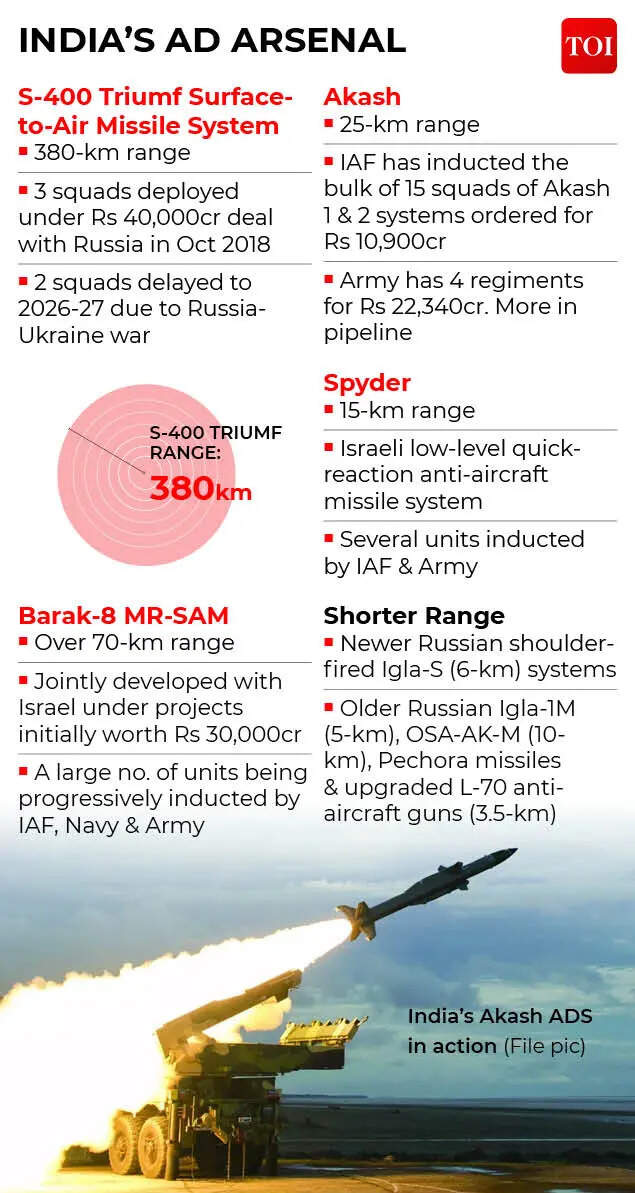
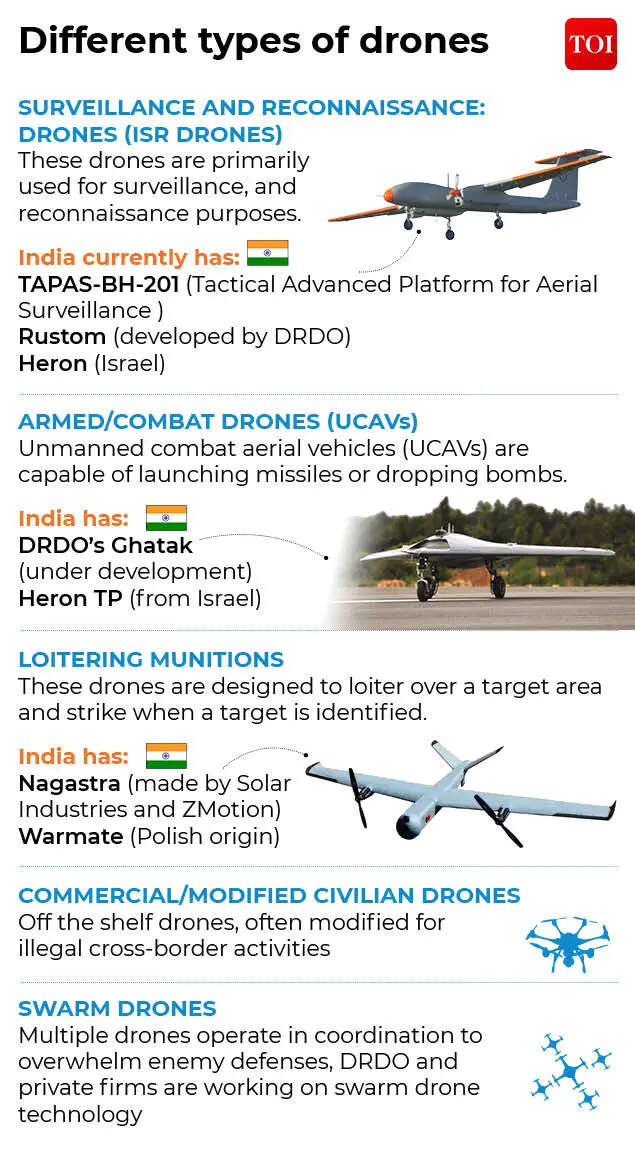
A similar logic applies to interceptor missiles. Air defense effectiveness is ultimately a function of magazine depth. Without adequate interceptor inventories, even advanced systems risk saturation under coordinated missile-drone attacks.Air defense as the decisive shieldOperation Sindoor demonstrated that survivability depends on layered, integrated air defense. Systems like the S-400 TRIUMF provide high-end coverage, but their limited numbers restrict spatial availability. Integration of Air Force Air Defense Command and Control Systems with Indian Army’s Akashteer was a revelation.India must simultaneously expand high-end acquisitions and accelerate indigenous programs such as Project Kusha. Kusha, with its planned multi-layer interceptor architecture, is expected to fill the long-range air defense gap while reducing import dependency.Greater availability of such systems will depend on production scaling, not just procurement. Indigenous radar networks, command-and-control systems, and interceptor manufacturing must be synchronized. As a doctrinal shift, air defense must be treated as a distributed grid rather than point protection.Drones and the economics of warfareDrones during Operation Sindoor illustrated the shift toward cost-imposition strategies. Low-cost UAVs and loitering munitions imposed disproportionate operational and financial burdens. Tactical transparency increased, reducing the feasibility of surprise.
.
India must adopt a dual approach: scale indigenous drone production while fielding layered counter-UAS systems. Electronic warfare, directed energy, and kinetic interceptors must be integrated into a unified response architecture. The advantage will lie with the side that can combine mass with precision.Operational readiness and maintenance depthOperational readiness proved decisive. Availability rates of aircraft, missile systems, and surveillance platforms often dictated operational tempo. Maintenance cycles and spare part dependencies emerged as constraints. The concept of inventory management of drones must replicate how Ammunition is managed in the Indian Army.India must expand indigenous maintenance, repair, and overhaul (MRO) capabilities. This includes decentralized repair hubs, localized spare production, and predictive maintenance using AI-driven diagnostics. Wartime readiness cannot rely on extended supply chains.Defense ecosystem: MSMEs, start-ups, and the private sectorOperation Sindoor exposed the limitations of a state-centric production model. The scale of modern warfare demands a distributed industrial base where MSMEs, start-ups, and large private firms operate as integrated partners.MSMEs can specialize in component manufacturing—electronics, composites, propulsion subsystems—while start-ups drive innovation in drones, AI-enabled targeting, and electronic warfare. However, scaling requires structural reform: assured long-term orders, faster testing and certification cycles, and integration into tiered supply chains.
.
The private sector must move beyond a peripheral role to become a primary production engine. Large Indian firms can anchor production ecosystems, invest in R&D, and establish export-oriented manufacturing lines. Strategic partnerships with global OEMs should prioritize technology transfer and local value addition rather than mere assembly.A key reform lies in procurement philosophy. The government must shift from L1 (lowest cost) selection to capability-based evaluation, enabling private players to invest with confidence. As seen in other major powers, defense industrial strength is inseparable from private sector dynamism.Surge capacity and war sustainabilityA defining lesson from Operation Sindoor is the need for surge capacity—the ability to rapidly scale production and deployment during conflict. This applies directly to missile inventories, including BrahMos, as well as interceptor stocks.India must adopt a “warm production line” approach, where manufacturing runs continuously at a baseline level but can expand output quickly. This requires pre-negotiated contracts, stockpiling of raw materials, and flexible labor and capital deployment.Civil-military integration will be critical. Dual-use industries—automotive, electronics, heavy engineering—must be mapped and integrated into wartime production plans. Sustainability of operations will depend on throughput, not just initial stockpiles.Integration of the armed forcesOperation Sindoor highlighted improvements in jointness but also persistent service silos. True integration requires unified theater commands, shared ISR networks, and interoperable systems across domains.Future warfare will be multi-domain by default. Air, land, maritime, cyber, and space operations must converge into a single operational framework. The effectiveness of missiles, drones, and air defense systems will depend on how well they are networked across services.Defense space capabilities: Satellites as force multipliersA critical but often underappreciated dimension of Operation Sindoor was the role of defense satellites. Space-based ISR, navigation, and communication systems shaped targeting accuracy, situational awareness, and operational tempo.Pakistan’s access to the BeiDou Navigation Satellite System provided a significant enabler. BeiDou, with its global coverage, high-precision positioning, and integrated messaging capability, allowed for improved missile guidance, drone navigation, and real-time coordination. Its military-grade accuracy and redundancy enhanced resilience against disruption.India, on the other hand, relied primarily on NavIC. While NavIC offers high accuracy within the Indian Ocean Region and provides a secure, indigenous alternative to foreign systems, its regional limitation constrains operational flexibility in extended theatres. Additionally, the scale and redundancy of NavIC remain lower compared to BeiDou’s global constellation.
.
The comparison is instructive. BeiDou operates as part of a larger, integrated Chinese military space architecture comprising 45 satellites in orbit, combining navigation, ISR, and communication satellites into a seamless network. NavIC, though robust within its domain, must evolve into a more expansive and resilient system with additional satellites, enhanced anti-jamming capabilities, and tighter integration with military platforms.The lesson from Operation Sindoor is unambiguous: future wars will be as dependent on space dominance as on-air superiority. India must accelerate the militarization of space assets, expand satellite constellations, and develop counter-space capabilities to ensure operational independence.Narrative warfare and strategic communicationOperation Sindoor underlined the growing importance of narrative warfare. Information flows shape domestic and international perceptions in real time. Operational success did not always translate into narrative dominance.India must institutionalize strategic communication, integrating military operations with diplomatic messaging and digital outreach. Counter-disinformation capabilities and proactive narrative shaping will be essential. As Sun Tzu observed, “All warfare is based on deception,” a principle now amplified in the information age.The human element in a technology-driven warDespite technological advances, human decision-making remained central. Leadership, training, and adaptability determine operational effectiveness. Future training must integrate conventional warfighting with cyber, electronic, and information domains. Military capability must evolve toward cognitive agility, where data interpretation and rapid decision-making become core competencies.Strategic takeaways: Building scale, depth, and industrial powerOperation Sindoor ultimately reveals that modern warfare is a contest of systems, not platforms. India’s future preparedness will depend on its ability to build depth—larger stockpiles of precision weapons, expanded interceptor inventories, and greater availability of high-end systems like the S-400 TRIUMF alongside indigenous solutions such as Project Kusha.Equally critical is the expansion of the defense industrial base. MSMEs, start-ups, and the private sector must be integrated into a coherent production ecosystem capable of meeting both peacetime and wartime demand. The shift must be from import dependence to production sovereignty, and from limited capacity to scalable output.As Paul Kennedy cautioned, “Military power rests ultimately on economic foundations.” Operation Sindoor reinforces that insight. The decisive battles of the future may well be fought not only on the battlefield, but on the factory floor.