




Phones today are an indispensable part of our lives. So the question of when to hand over that first smartphone is more relevant (and challenging!) than ever. Kids are now growing up with screens practically glued to their fingertips and parents are left wondering: what’s the “right” age to give them their first phone?In an interview with the Times of India, David Smith, CEO of Silicon Valley High School, an online education institute that provides high-quality AI-powered learning experiences, said, “Balancing the perks of staying connected with the potential pitfalls, like too much screen time, can feel like a high-wire act.”So, before you make the big call (pun intended!), here are top things to consider when gauging if your child is ready for their first phone.
Consider their maturity level, not just their age
Child development experts agree that maturity often matters more than age when it comes to responsible phone use. Does your child follow the rules, exercise self-control and respect boundaries? A mature child who handles school responsibilities well and engages appropriately in social situations may be ready for the responsibility that comes with a phone.“While many children are eager to have their own device at increasingly younger ages, early exposure to screens can impact brain development,” said Smith. “This effect is especially pronounced in younger children.”
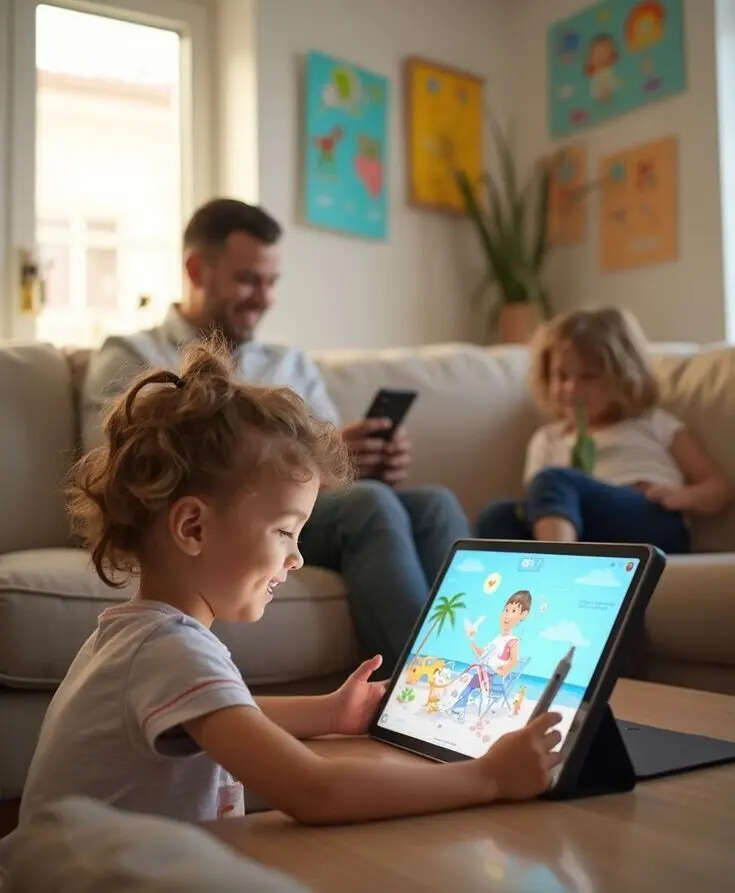
Parents Should Consider Maturity Over Age For Kids’ First Phone, Expert Says
For example, research shows that children under a year old don’t learn from screens. They need face-to-face interactions to develop social and cognitive skills. When weighing your child’s maturity, think about their ability to balance screen time with real-world interactions, which are integral to building empathy, focus, and impulse control. “Many social media platforms set 13 as the age when you’re allowed to make an account, so you could use that as a guideline,” said Smith.A recent 2026 study published in the Journal of Children and Media performed a qualitative analysis of parent-child dyads delaying smartphones past age 12 (non-normative, as 50% owned by 11), exploring experiences of restriction amid peer pressure. It found, “With nearly half of 11-year-olds owning smartphones… this study defines delay as not owning a smartphone by age 12 or older.” According to a report by The Guardianaround 42% of US children have a smartphone by age 10 and the percentage skyrockets to 91% by age 14. Smith said that because of this, “There will likely be a lot of pressure on you as a parent, most of it probably from your child, to give in and get them a phone. However, if you don’t think they’re ready, hold off until you’re confident.”
Set (and model) healthy screen-time limits
It is no secret that screen time is on the rise, especially post-pandemic, with some children spending an average of nine hours a day in front of a screen.

Expert discusses how to encourage online safety on smartphone apps and social media platforms
“Studies show that excessive screen time can impact sleep, academic performance, and social skills, so parents need to establish healthy boundaries early on,” said Smith. “The World Health Organization recommends no screen time for babies under two and no more than one hour per day for children aged two to four. These kids probably shouldn’t have their own smartphones, as this will make limiting usage harder.”A 2026 Stony Brook Medicine Health Report Examined smartphone acquisition age’s link to obesity, sleep issues and mental health. It revealed that earlier phones correlate with poorer outcomes, even in 13-year-olds. The authors noted, “The younger a child was when they got a phone, the higher their risk was for obesity and poor sleep… those who got a smartphone by age 13 had greater odds of developing clinical-level mental health issues.”To encourage healthier habits, set clear screen-time limits and designate phone-free zones, like during meals or before bed. Be mindful of your own screen habits, too. Parents need to model these limits, as kids often learn more by copying what parents do than what they say. “Children develop their attention and focus from activities like reading and play, where they have time to process information, unlike the rapid pace of digital media,” says Smith. “The younger your child is, the higher the risk that increased screen time will affect their development.”
Ease into independence with monitoring tools
Using apps that track screen time and app usage lets you keep an eye on your child’s digital habits while giving them a taste of responsibility. Experts recommend discussing with your child why these tools are in place, highlighting that it’s all about building trust, not spying.
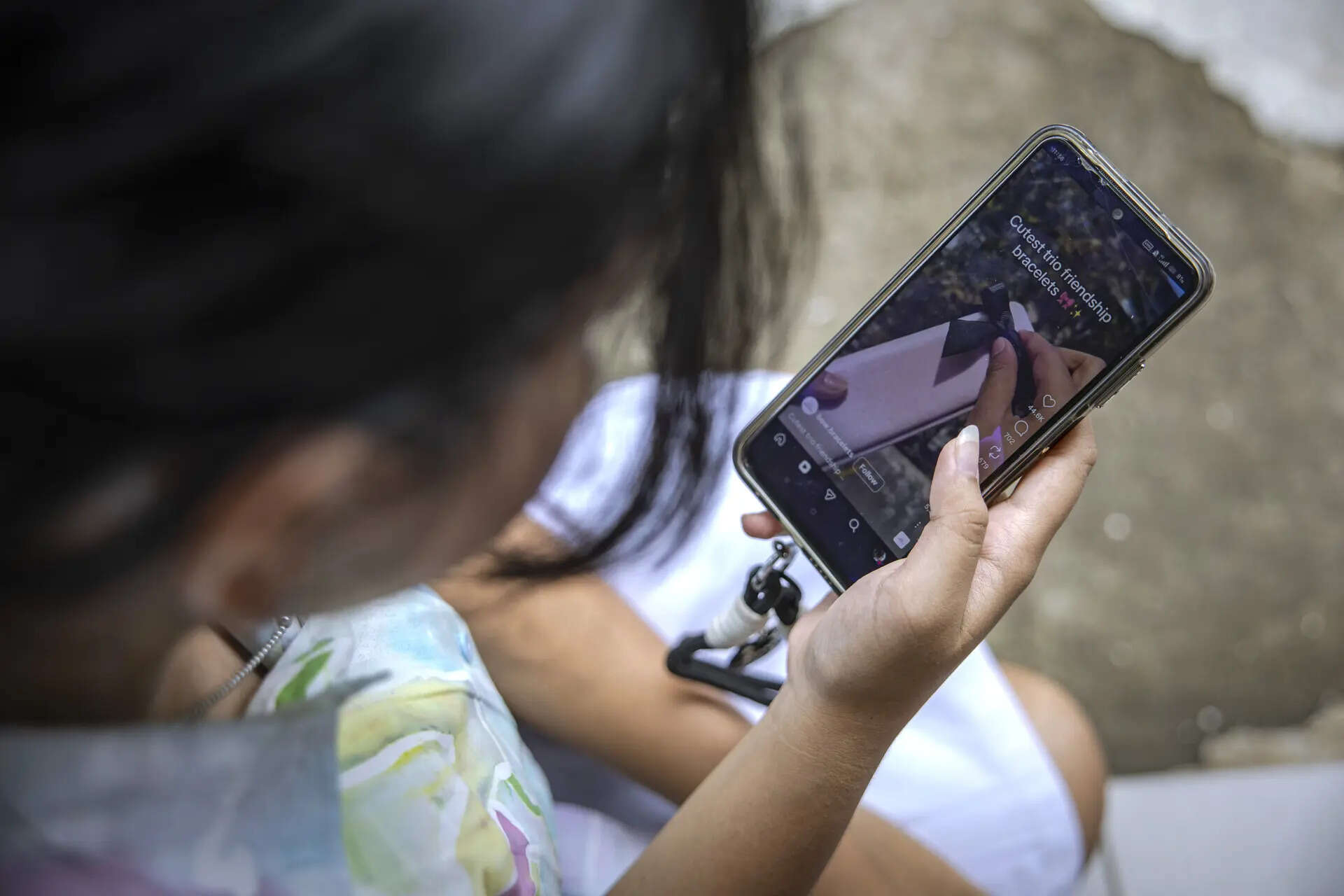
Education expert on how to decide the best age for kids to get their first phone (Photo by Ulet Ifansasti/Getty Images)
“Smartphones, mobile platforms, and apps are designed to captivate people’s attention, and children are especially susceptible,” said Smith. “Limiting their digital freedom initially, while letting them earn more independence over time, helps reinforce that a smartphone is a tool rather than a toy.”
Prepare kids to handle social dynamics and peer pressure
With a phone comes access to social media, texting and group chats, all of which can create social pressures and, at times, digital drama. Navigating this social landscape can be tricky, so experts recommend talking openly with kids about how to handle online interactions and how their peers can influence their own behavior. “Social platforms often encourage quick responses and reactive behaviors, which can lead to misunderstandings or hurt feelings,” said Smith. “This is a lot to handle for kids who are still learning how to navigate social situations. Encourage empathy and kindness in online interactions and remind your child that there is always someone behind the screen, and that the words they type have a lasting impact.”As per a 2026 study in International Journal of Multidisciplinary Perspectives in Researchauthors investigated parental smartphone use’s impact on kids’ socio-emotional development and found high use linked to poor emotional regulation and attachment. They revealed, “High parental smartphone use is associated with diminished social competencies, increased emotional regulation difficulties… technoference emerged as the strongest predictor.”Keep in mind that too much exposure to screens can reduce empathy in young children by inhibiting their ability to read facial cues and understand social skills. Face-to-face interactions help children interpret emotions and build meaningful relationships, which are difficult to achieve through a screen.
Start small: Consider a basic or limited-function phone first
If you feel your child isn’t quite ready for a smartphone, starting with a limited-function device can be a great middle ground. Basic phones allow for calling and texting without the distractions of the internet and social media. These limited-function phones can be a stepping stone, allowing your child to text and call friends and contact you in emergencies but not yet introducing them to the temptations and dangers of social media.

Why parents should consider maturity rather than just age, start small with limited-function phones, and ease into phone usage with monitoring tools
Smith advised, “One of the best things parents can do to help kids use the Internet safely is to be proactive and involved. Instead of focusing on strict monitoring, parents should aim to establish an open line of communication. Encourage your child to talk about what they see, experience, and enjoy online. This builds trust, so if they do encounter something unsettling, they feel comfortable coming to you rather than hiding it.“He asserted that parents should educate themselves about the apps their children use. What are the privacy settings? How do the interactions work? Being informed lets you have meaningful conversations about potential risks without sounding alarmist. David Smith concluded with the recommendation, “It’s also helpful to set boundaries and agree on family guidelines together. Children who feel they have a say in these rules are more likely to respect them. Remember, no app or tool replaces a parent’s guidance. Be a role model in your digital habits and demonstrate respectful online behavior.”