


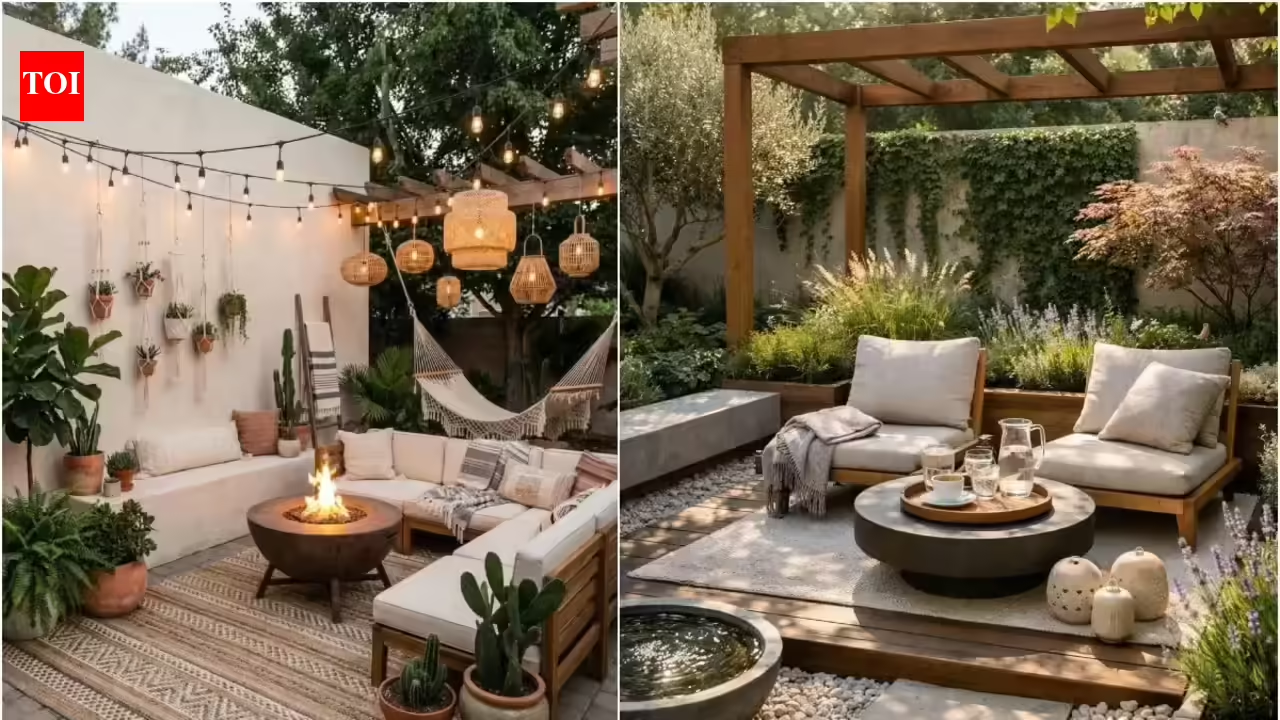
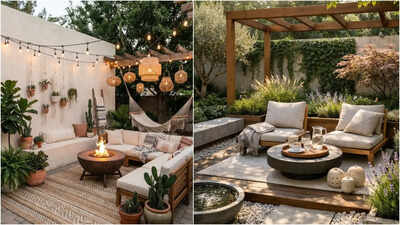
Outdoor spaces are no longer an afterthought; they are now extensions of the living room, designed with layouts that mirror indoor living. What was once a basic setup has gradually evolved into a complete space for relaxing, entertaining, and unwinding.According to the most recent Outdoor Living Trend Report, outdoor living is now a clear priority. Around 77% of US homeowners want to spend more time outdoors, and nearly 60% plan to invest in their spaces. Layered with plush seating, soft lighting, and even outdoor kitchens, these areas bring the ease of indoors outside.What’s driving the shiftAccording to experts, the move toward outdoor spaces as ‘second living rooms’ is rooted in a new definition of luxury — one that prioritizes wellness, privacy, and experience over sheer square footage. Outdoor areas offer uninterrupted natural light, fresh air, and a sense of openness.“At the luxury level, this shift is driven by wellness design. Access to nature is now essential for well-being, with biophilic design seen as non-negotiable for mental health and longevity. Homeowners now seek curated experiences beyond the dining table. For luxury buyers, it is no longer ‘the garden’ but a fully designed extension of how they live,” says Imran Khan, a concept designer at The Gold Leafing Studio, an interior design studio.Designing the second living roomSeating is at the heart of this transformation — deep, inviting, and upholstered in weather-resistant fabrics that retain the softness of indoor furniture. “Furniture in outdoor settings is often layered with natural materials like cane or jute, adding warmth, texture, and an easy, relaxed character,” says Namrata Saigal, an interior designer.According to experts, pergolas, retractable ceiling shades, and waterproof roller curtains play a key role. “They soften the openness and introduce a sense of enclosure, almost like a ceiling and walls, allowing the space to open up or close down depending on the weather or mood,” Namrata adds.As temperatures rise, luxury homeowners are redesigning outdoor spaces to keep them cool, comfortable, and stylish. Khan says, “Luxury homeowners are countering heat by turning outdoor areas into climate-responsive extensions of their living rooms. Lime plasters offer natural cooling, while adaptive louvers manage sunlight. Layered greens, pergolas, and water features create cooler microclimates, complemented by ambient lighting and low-heat elements that make these spaces comfortable and usable well into the evening.“Making outdoor spaces livable– Structure sets the tone: Pergolas, retractable shades, and weatherproof curtains create shelter, making the space usable through changing weather.– Green layering adds depth: Plants are thoughtfully layered to soften edges, build privacy, and create an immersive, calming backdrop.– Ambient lighting matters: Warm, diffused lighting replaces harsh glare, allowing the space to transition seamlessly from day to evening.– Comfort comes first: Plush seating, rugs, and soft furnishings bring indoor-like ease into the open– Smart living outdoors: Automated lights, adjustable shades, and subtle sound systems enhance comfort without overwhelming the space.(as suggested by Namrata Saigal)
Increasingly, these spaces include a defined dining area and a small bar setup, turning the outdoors into a natural extension for everyday meals, slow evenings, and casual entertaining.
Namrata Saigal, an interior designer
Outdoor spaces today are designed as climate-responsive living rooms, using materials like lime plaster, greenery, and water features to naturally beat the heat.
Imran Khan, concept designer of an interior design studio