

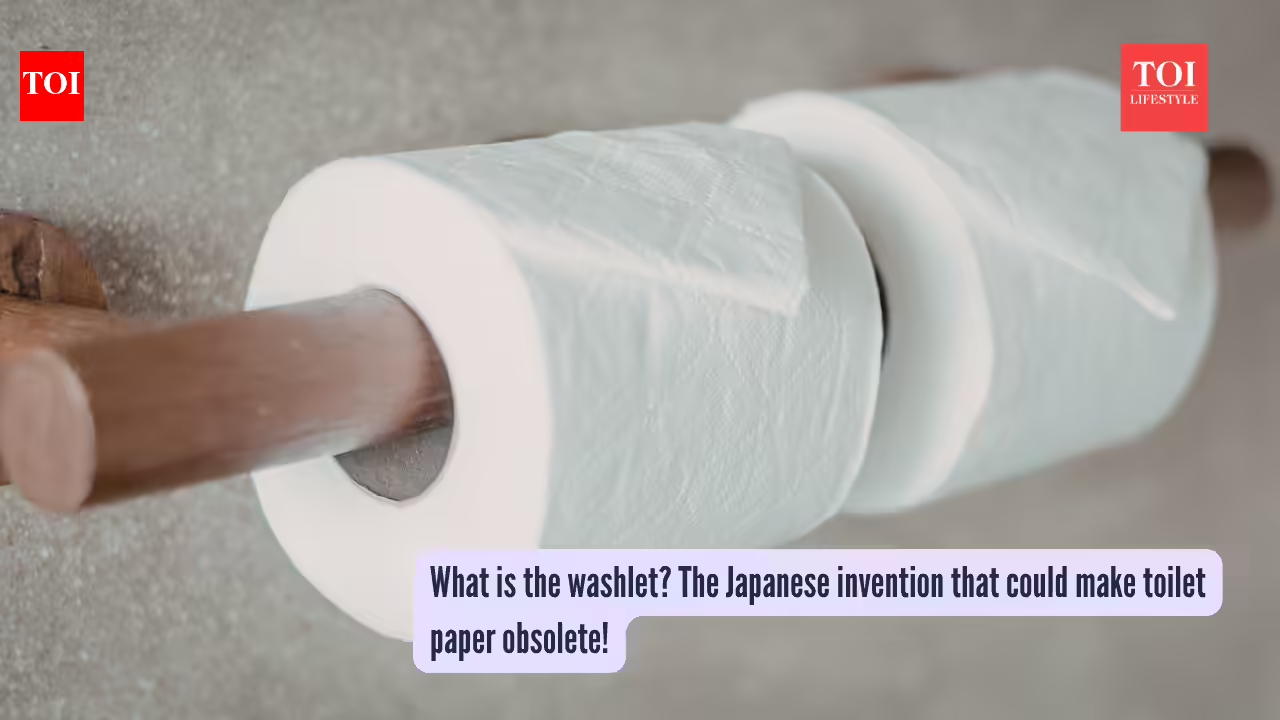
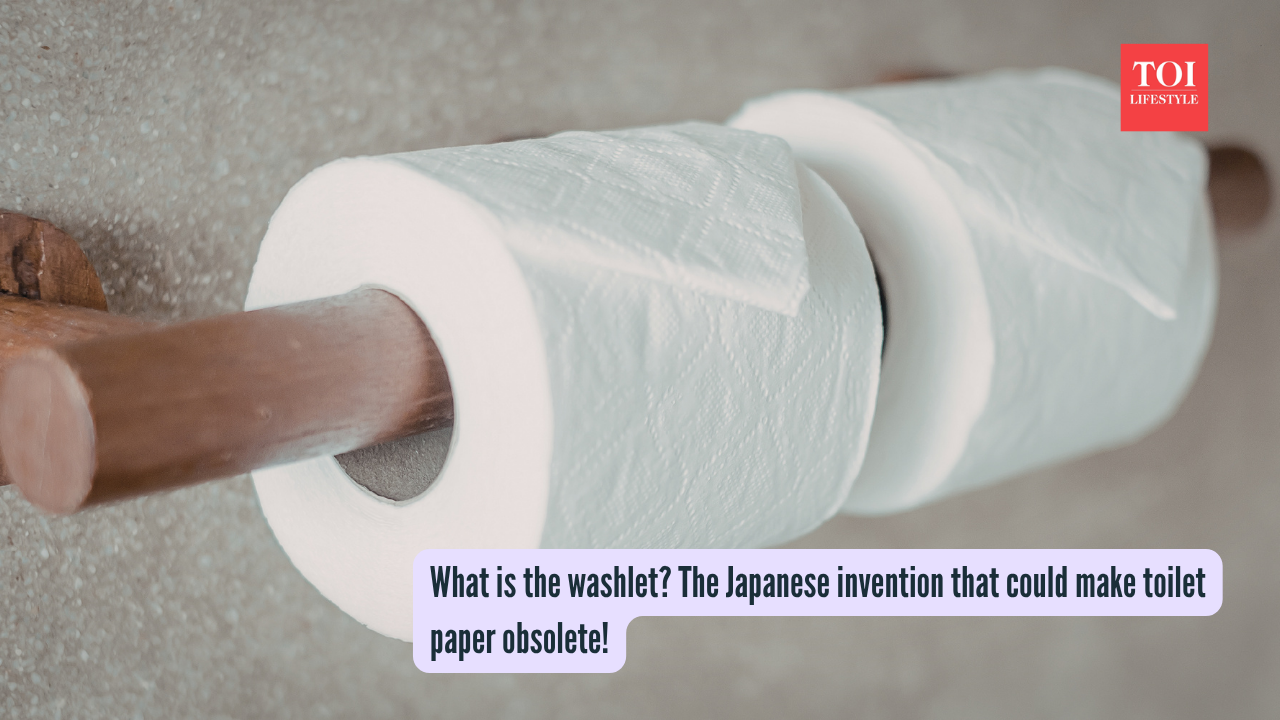
Hundreds of millions of tonnes of toilet paper are used around the world every year, quietly piling up on our shelves and in our bins. But this everyday habit comes with a hidden cost – putting pressure on forests, water resources, and the environment. It’s exactly why more people are now starting to rethink the routine and look for cleaner, more sustainable alternatives.Many people still think of the bathroom in the same old way – flush, grab the roll, and you are done. But a quiet shift is underway in millions of homes around the world, as people move away from wiping with paper and toward washing with water. Leading this change is one simple, game-changing fixture.It has also become a standard in Japanese homes for more than four decades and is now gaining ground in North America and Europe.
Representative Image
How the technology works
The bidet has a nozzle that sprays warm water for anal and genital cleansing, with separate directional settings to keep water from splashing back into the bowl. The nozzles self‑clean with warm water before and after each use, and most models include a seat‑presence sensor that stops the spray if the user is not actually sitting on the toilet. Many advanced Washlets also offer heated seats, warm‑air dryers, deodorizers, and touchless controls via remote or motion sensors, which the company describes as life‑changing “hygiene, design, and wellness” technology.
What is washlet which is replacing toilet paper
The TOTO washlet is an electronic bidet toilet seat that cleans the user with a gentle stream of warm water instead of relying only on paper.The technology has been around since 1980, when TOTO launched the first Washlet model after years of research and experimentation, and today over 70 million units have been sold worldwide, with more than 80 percent of Japanese households now using the device regularly.In North America and parts of Europe, adoption has grown rapidly, especially after the COVID‑19 pandemic exposed how fragile the toilet‑paper supply chain can be and pushed people to explore alternatives. Many families now treat bidet seats as a practical upgrade that combines hygiene, comfort, and eco‑friendliness in one device.
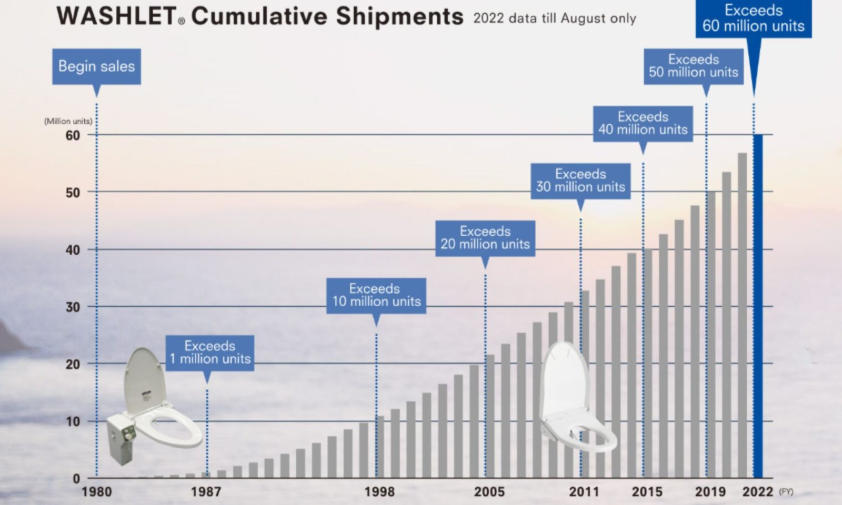
Photo: TOTO
What is the cost of a bidet fitting
Once seen as a luxury, Washlet‑style bidets have become more affordable. Entry‑level bidet attachments that fit standard toilets often start around 40 dollars, while higher‑end models with temperature control and remote operation can be under 600 dollars, with installation usually taking less than 15 minutes and rarely needing special plumbing.
The environmental cost of toilet paper
Bidet‑like systems dramatically reduce the environmental footprint. A Washlet cleaning cycle uses roughly 500 milliliters of water, a tiny fraction of the water involved in making a single roll of paper, and a 2021 study in the Journal of Cleaner Production found that switching to a bidet can cut the carbon footprint of bathroom hygiene by up to 75 percent over time. This saving also reduces pressure on wastewater systems and lessens the chance of clogs from paper buildup in aging municipal pipes.