


You pull your favorite navy hoodie out of the dryer, and something feels off. The color looks duller than it did six months ago. The fabric is not quite as crisp, and you have not done anything wrong; you just washed it, dried it, wore it, and repeat. So why does it look like it is aging faster than it should?Here is something most people never think about: the temperature setting on your washing machine might be the single biggest factor quietly destroying your clothes. Not moths, not rough tumble-drying, just hot water.Hot water and your clothes are not friendsHere is the science, made simple. Every piece of colored clothing you own is held together, visually, at least by dye molecules bonded to fabric fibers. Heat destabilises those bonds. The hotter the water, the more dye washes out of your clothing and straight into the drain. A study published in the journal Dyes and Pigments found that dye loss increases most sharply when wash temperature increases from 20°C to 40°C, that is, roughly from cold to warm. Beyond 40°C, the damage continues, and longer cycles make it worse. So that “normal” 40°C, 60-minute wash you have been running for years? It has been slowly bleeding the life out of your wardrobe.It is not just about one garment fading. Dye that washes out does not disappear. It floats around in the machine and can transfer to other clothes in the same load. That is how whites pick up a faint gray cast, or your light-wash jeans start looking muddier over time.Hard water makes it worseA study in the journal Materials on naturally colored cotton fabrics found that minerals in hard water cause colors to change more quickly during washing, especially when the water is hot. Hard water makes the damage that heat does worse. Soft or distilled water lessens these effects, but let’s be honest: no one is running their laundry through a filter. The best way to fix this is to use a detergent formulated for hard water and, if possible, an additive to soften the water. Combine that with a cooler wash, and you are giving your clothes a fighting chance.Your laundry is also polluting the oceanThis part doesn’t get talked about enough. When you wash clothes, whether they are made of synthetic or natural fibers, tiny fibers break off and flow into the wastewater. These microfibers are a major contributor to microplastic pollution in aquatic ecosystems. Long, hot wash cycles at 40°C shed more microfibers than short, cold wash cycles. So, the same wash that is fading your hoodie is also, slowly, making its way to the ocean.
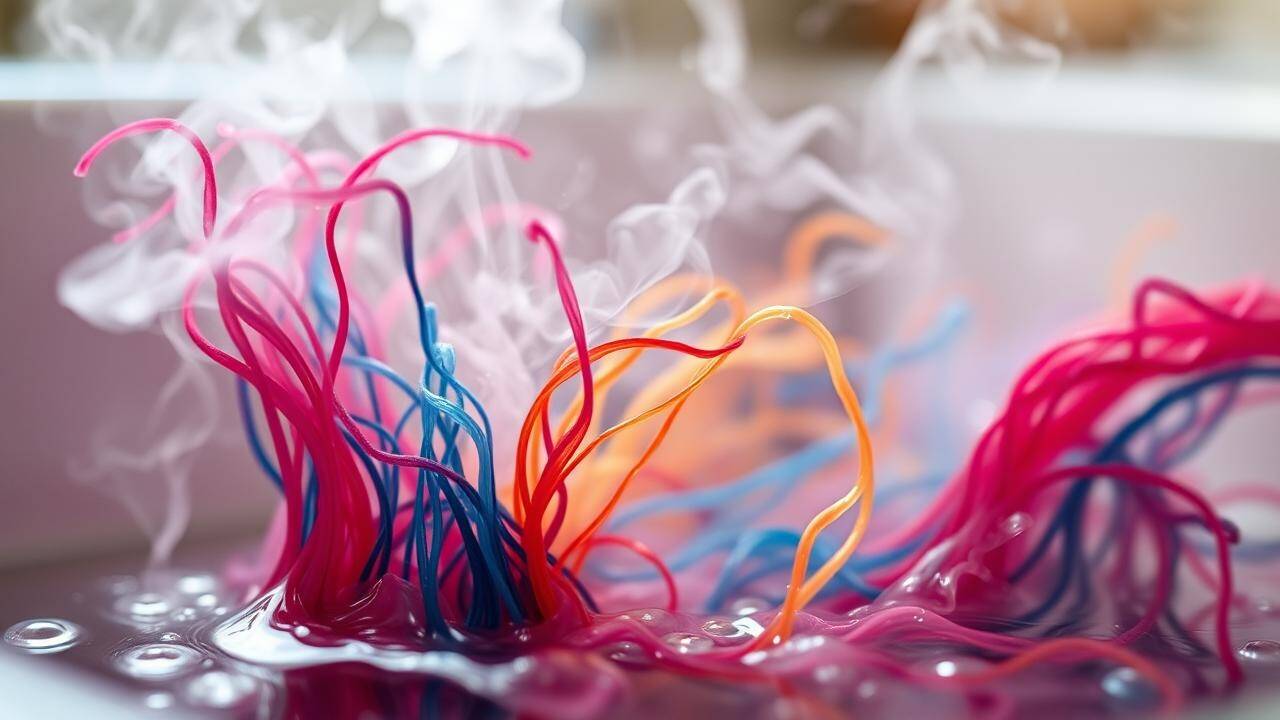
Warmer water releases more dye with every wash cycle, research shows
Cold wash is a win-win situationThe above-mentioned study in the journal Dyes and Pigments reports that washing clothes at 30°C instead of 40°C cuts the energy used to heat water by around 40% per load. Going down to 20°C can save you up to 66%. Lower temperatures keep dye from fading, stop microfiber from shedding, and also reduce emissions. Less fading, fewer microfibres, lower energy bills, fewer emissions, all from nudging one dial to the left. It is one of those rare changes where there is no real downside.What to actually doSwitch to cold water for most of your laundry. Modern detergents work well at lower temperatures. If you live in an area with hard water, look for detergents that can remove mineral buildup. Before washing, turn dark clothes inside out, and when you can, choose shorter cycles. That is it. No expensive gadgets, no complicated new routine; just a small habit shift and your favorite things will last longer and look better, and your laundry routine will no longer pollute the ocean. Your favorite hoodie will thank you for it.