

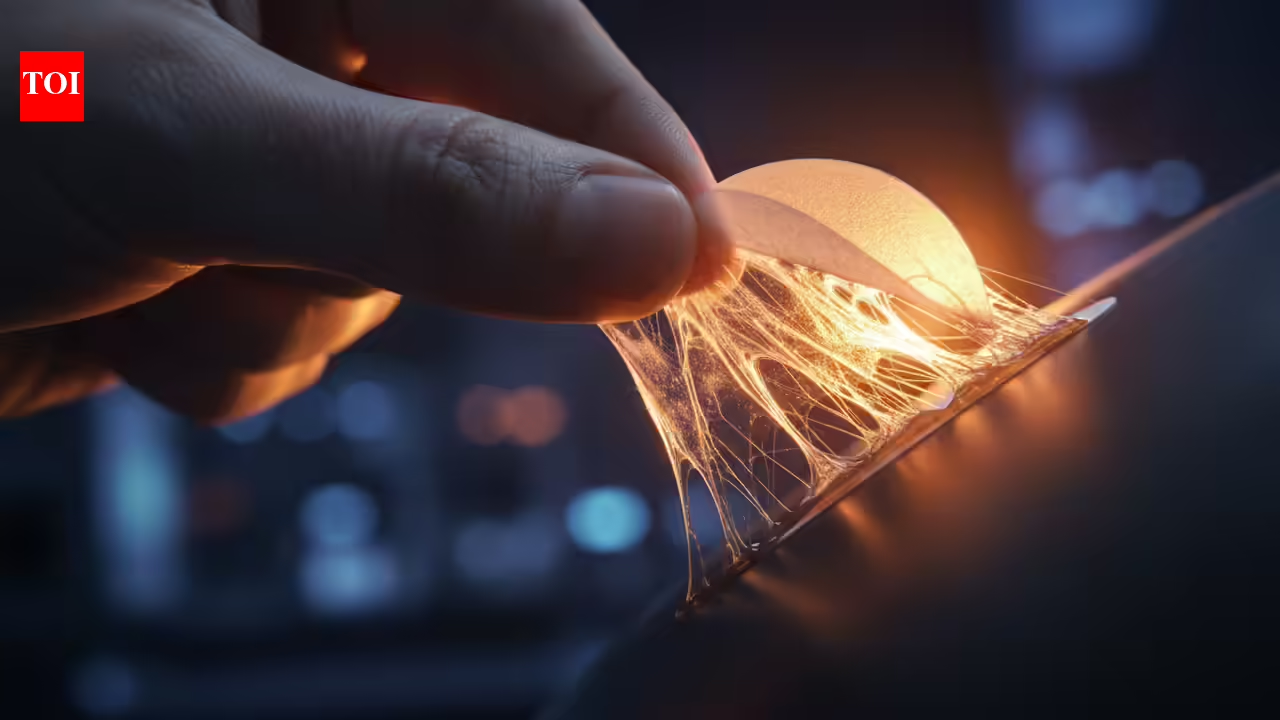
You carefully peel off a price tag from a gift, a label from a new jar, or an old sticker from your laptop, and all you get is that annoying, grey, lint-attracting sticky patch that will not come off. You scrub it, scratch it, and try to peel it off more, but it just gets worse.Here is the good news: you do not need any fancy products or a trip to the hardware store. Most of what you need is probably already sitting in your kitchen or bathroom cabinet. Here are four methods that genuinely work and one smart habit that will save you the trouble entirely next time.Turn the heat up (literally)Before you reach for any liquid or scraper, try heat first. Grab a hairdryer and aim it at the sticky patch for about 20 to 30 seconds. It makes the glue under the residue softer, so you can lift it off without much effort. According to Satas’ Handbook of Pressure Sensitive Adhesive Technologyadhesives are viscoelastic materials, meaning that as heat is applied, their viscosity drops and they shift toward a liquid state, which is why a hairdryer weakens the structural integrity of the glue so effectively.Once the area is warm, take a plastic card, an expired credit card or a loyalty card and gently scrape the residue off. Work along the grain of the surface and keep your pressure light. This two-step process significantly reduces the need for chemicals and is gentle enough to preserve your surface’s finish. It works best on metal, glass, and smooth plastic. However, be careful while working with painted surfaces or delicate finishes, because excessive heat can cause discolouration.Reach for the olive oilCooking oil is your next best friend if heat alone does not do the trick or if you are dealing with a more porous surface. Olive oil, vegetable oil, or even coconut oil can break down the glue without hurting the surface beneath.Put the oil on a cloth and rub it into the sticky spot. Give it a few minutes to really get into the residue, then wipe it away. Do not forget to wash the area with warm, soapy water afterwards to remove any oily film. If you skip this step, a greasy residue may be left behind, attracting dust and making the surface look dull over time. This is a particularly good option for wood, ceramic, and plastic surfaces, where stronger solutions might do more harm than good.
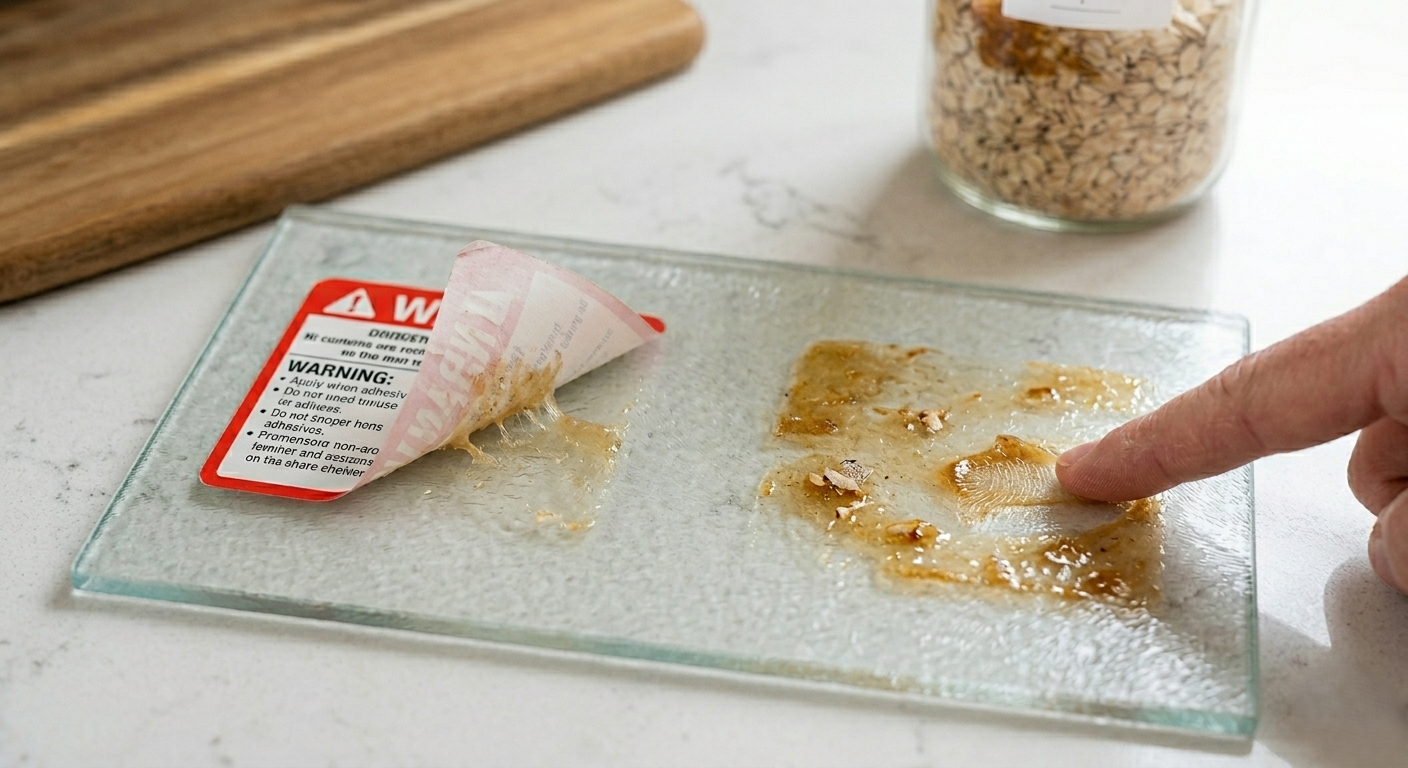
Turns out the solution to that stubborn sticky patch was sitting in your pantry all along.
Rubbing alcohol for the stubborn stuffWhen dealing with tougher residues, rubbing alcohol is the solution. Dab a cloth with alcohol, then rub the affected area in small circles. If the residue refuses to give up, soak a piece of paper towel with rubbing alcohol, press it against the sticky area for a while, and then clean the residue. Before attempting this method, it may be worthwhile to try it in an out-of-sight location, as rubbing alcohol can react negatively with some finishes, paints, or rubber surfaces.The eco-friendly option: Baking soda pasteIf you want to choose a more eco-friendly option, a simple baking soda paste is the way to go. To prepare this mixture, combine two tablespoons of baking soda with three tablespoons of water to form a paste-like substance. Apply the paste to the area and leave it for a few minutes. The next step involves gently scrubbing the area with a soft cloth or sponge using circular motions. The reason baking soda paste is effective lies in its slight abrasive properties, which remove glue residue without damaging the surface.Prevent it in the first placeBefore you put on a sticker, apply a thin layer of cooking oil to the surface beneath it. This is not just a folk remedy; it is rooted in surface science. Zisman’s research in the book Contact Angle, Wettability, and Adhesion on surface energy and contact angles shows that applying oil lowers an object’s surface energy, preventing the adhesive from bonding properly in the first place. The result is that when you finally take off the sticker, no sticky residue is left behind.You could also look for stickers that say “removable” or “low-tack.” They are made to come off without leaving a mark, and you can find them in a wide range of products, from labels to decorative decals. If all these tricks and home remedies do not work, a store-bought adhesive remover like Goo Gone can help. Just read the label, try it out on a small area first, and you’re good to go.Sticker residue is one of those annoying little problems that no one has time for, but your kitchen and bathroom already have everything you need to fix it. A little oil, a little heat, and the right way to do things can go a long way.