



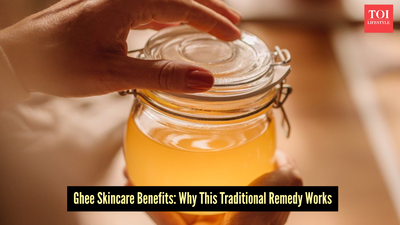
We’ve all been there. You complain about a dry patch, a sunburn, or a lingering acne scar, and a well-meaning older relative immediately suggests rubbing some ghee on it. For years, we’ve brushed it off as just another messy, old-school home remedy best left in the kitchen. But here’s the plot twist: modern dermatological science is actually validating this ancient Ayurvedic staple. And no, it’s not just about trapping moisture. It’s a matter of hardcore lipid biochemistry.What’s Actually in the Jar? So, what happens when you swap your expensive night cream for clarified butter? To understand the clinical hype, you have to look at the exact molecular breakdown. Pure, grass-fed ghee isn’t just grease—it’s a highly bio-compatible nutrient cocktail for your face. The star player here is Butyric Acid. This short-chain fatty acid essentially acts as a fire extinguisher for localized inflammation.
(Image Credits: Pinterest)
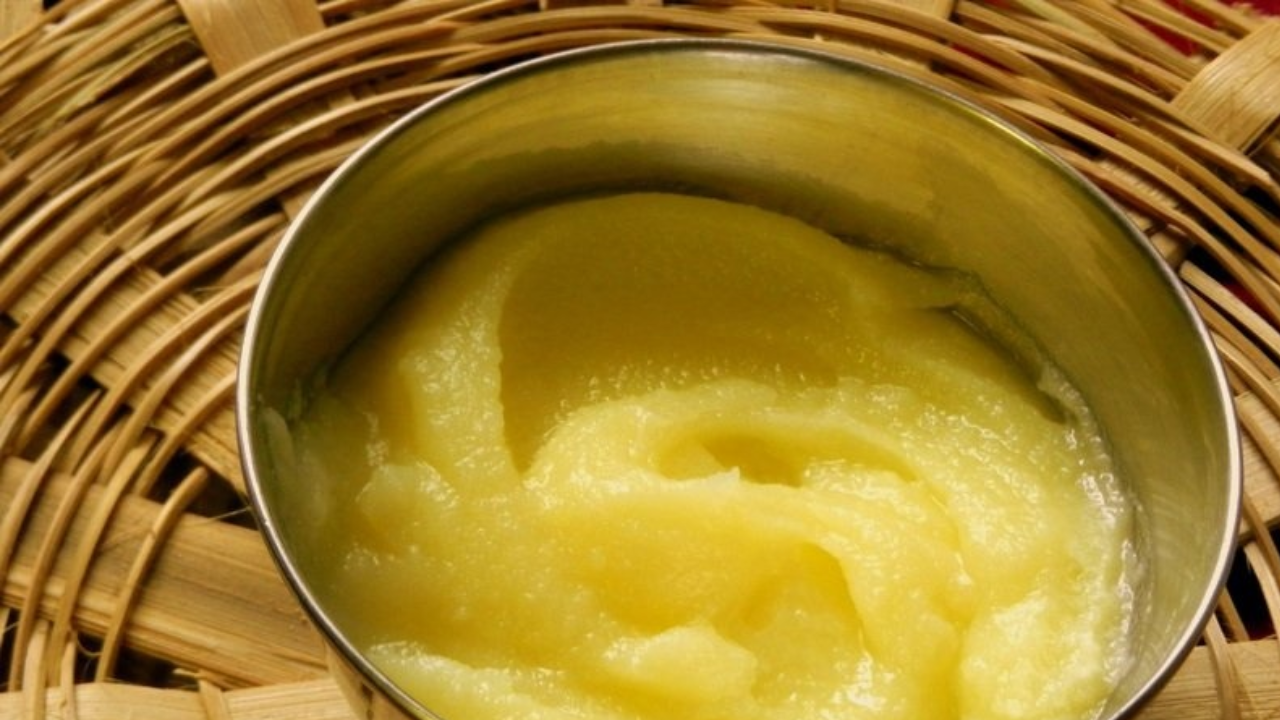
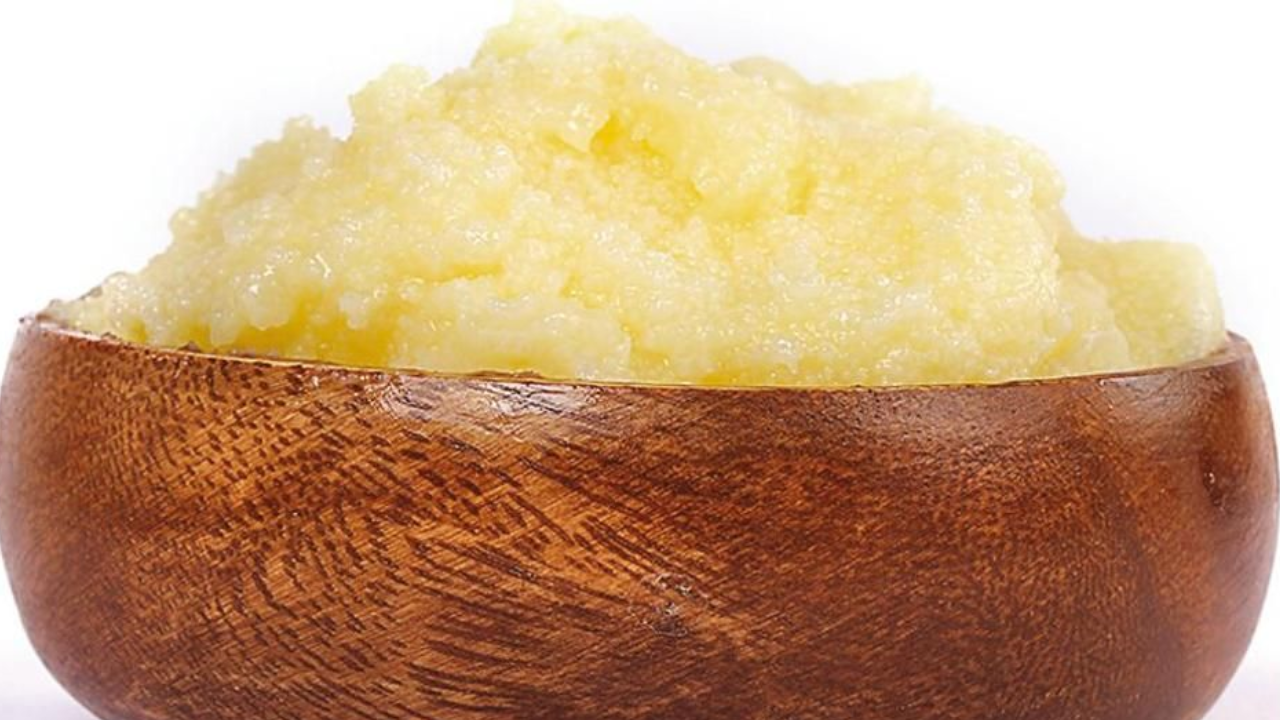
When applied topically, it modulates your skin’s immune response, offering measurable relief for the redness and irritation associated with eczema, mild rosacea, and everyday flare-ups. Add in a heavy dose of Conjugated Linoleic Acid (CLA) and fat-soluble vitamins, and you have a potent mix. Vitamin E neutralizes the free radicals from UV exposure that cause premature collagen breakdown, while Vitamin A quietly supports your skin cells as they mature into a healthy outer layer.The Ultimate Barrier Fix If you spend your days sitting in an air-conditioned office, your skin is likely screaming for barrier support. Most synthetic silicones or petroleum jellies just sit right on top of your face like a plastic tarp. Ghee acts differently. Because its makeup so closely mimics human sebum, it actually sinks into the lipid matrix of your skin. It actively supplements depleted lipids, repairs the stratum corneum, and slams the door on transepidermal water loss (TEWL). Translation? You get deep, structural hydration without that suffocating, heavy-mask feeling. It also creates an optimal, moist micro-environment that accelerates tissue regeneration—meaning minor abrasions and healing blemishes recover much faster under a protective lipid seal. The ‘Washed Ghee’ Magic Now, if the thought of smelling like a fresh paratha deters you, let’s talk about the industry’s real secret weapon: Shata Dhauta Ghrita, or washed ghee. This is where heritage practices meet structural transformation. The traditional method involves washing ghee with cold, purified water and agitating it in a copper vessel up to 100 times. From a strict scientific standpoint, this mechanical agitation hydrolyzes the lipids. It splits the complex, heavy fats into individual fatty acids and glycerol. The result is wild: the greasy texture completely disappears, transforming into an odorless, incredibly lightweight mousse. This “molecular ghee” penetrates much deeper into the dermal layers and drastically drops its comedogenic (pore-clogging) rating, making it safe for a much wider range of complexions.
(Image Credits: Pinterest)
The Reality Check: Read Before You Slather But before you raid the pantry, let’s establish some strict, cross-verified ground rules to separate the actual science from the viral social media myths. First, raw, unwashed ghee is dense. If you have active acne or a naturally oily profile, straight-from-the-jar ghee will likely trap sebum and dead skin cells, causing breakouts. It’s strictly best for severely dry, xerosis-prone skin. Second, manage your timeline. You won’t wake up with magically erased wrinkles.
While the moisturization hits immediately, the cellular turnover and antioxidant benefits run on your skin’s natural 28-day epidermal renewal cycle. Consistency is the only way to see hyperpigmentation fade. Finally, sourcing is non-negotiable. Standard, grain-fed cow butter yields significantly lower concentrations of the good stuff. If you want the clinical punch of butyrate and omega-3s, pure, grass-fed A2 ghee is the only way to go. Turns out, the oldest trick in the book just needed a little scientific translation. Maybe it’s time to make some room on your vanity.