


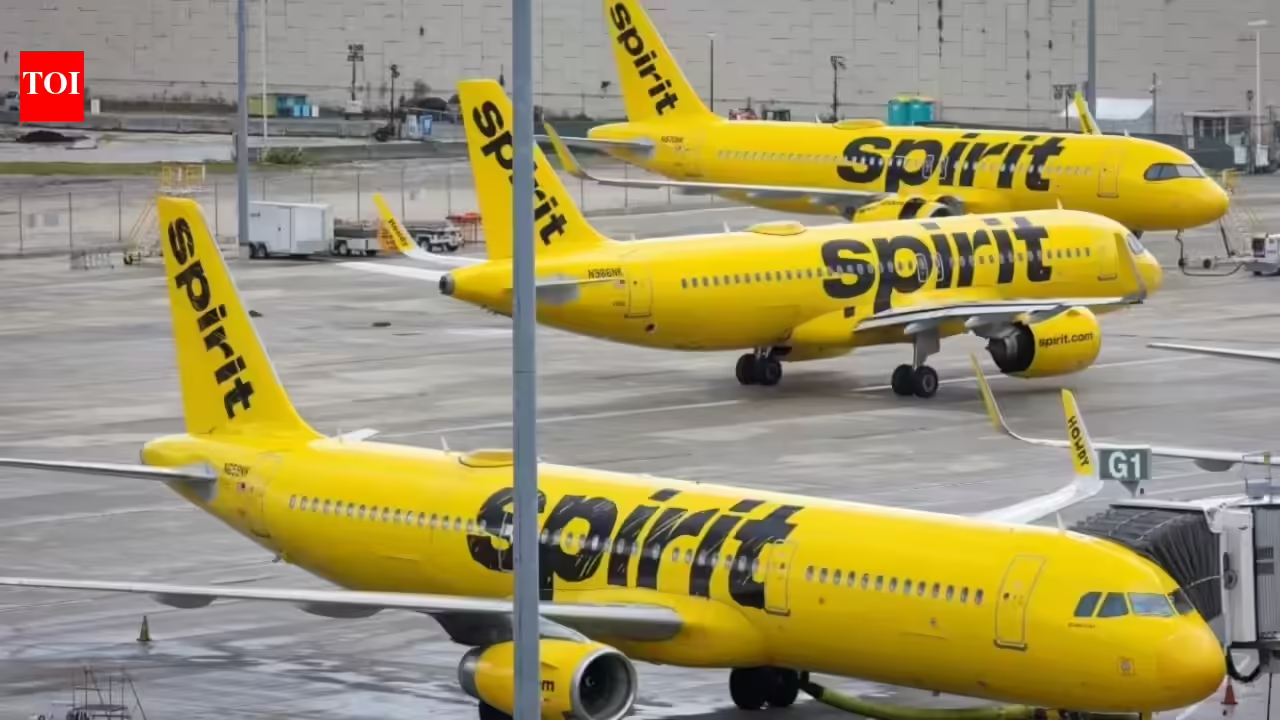
In an unexpected turn of events, Spirit Airlines has packed it in. After nearly 34 years of upending air travel with low fares and yellow planes, they officially shut down everything on May 2, 2026. Flights stopped all at once, customer service shut its doors, and passengers scrambled to figure out what to do next. The USD 500 million White House bailout they’d been counting on fell apart at the last minute. So the end wasn’t just abrupt, it was a proper shock.
Spirit Airlines collapse: What happened?
Spirit Airlines had been in financial trouble for years: two bankruptcies, desperate for cash, and clinging to its budget model while bigger airlines circled. So the collapse wasn’t exactly out of nowhere. Their last hope was federal money, but when creditors shot down the deal, they were out of options.Sure, the White House stepped in with a proposed bailout that would have given the government a major stake in the airline. But negotiations broke down at the last moment. The collapse follows weeks of high-stakes negotiations with the administration of US President Donald Trump, which had proposed a USD 500 million bailout package. But the deal ultimately fell apart due to creditor disagreements and lack of financial viability.Per Forbes, CEO Dave Davis said bluntly: the company couldn’t find “hundreds of millions of dollars” to keep going, so it was time to call it quits.The airline confirmed that all flights were canceled immediately, advising passengers not to head to airports. Customer service operations were also halted, leaving thousands of travelers scrambling for alternatives.
What paved the way for the shutdown?
Spirit had been in rough waters for ages. Looking back, several things slammed together to bring Spirit down.First, fuel prices soared, thanks to global tensions, especially with Iran, and for a budget airline, that’s lethal. They’d tried to merge with JetBlue, which might have saved them, but regulators blocked it. Their signature “no-frills” approach, charging for everything and keeping base fares crazy low, got copied by bigger airlines. Passengers started wanting more comfort and reliability, too, so Spirit lost its edge. Years of debt and failed restructuring left them with no wiggle room. Without the bailout, there was nothing left.
What’s ahead?
Spirit started as Charter One in 1983, got its bright makeover, and changed flying for millions. It forced bigger airlines to offer cheaper fares and reshaped travel economics. But those razor-thin margins and dependence on extra fees made it susceptible to every bump in the road.Right now, for passengers, it’s been chaos. All flights were cancelled, with a warning not to bother going to the airport. Automatic refunds have started for card payments, while others face the grind of bankruptcy proceedings. The big carriers (United, Delta, Southwest) jumped in to help stranded passengers with discounted tickets.Employees took the hardest hit. Around 17,000 jobs hang in the balance, making this shutdown one of the biggest in US airline history. The government announced emergency help, but for most, the future’s suddenly shaky.So, what’s next for travelers? Spirit’s shutdown means fewer cheap flights and less competition in the budget market. The remaining low-cost carriers like Frontier and Allegiant may get stronger, but prices will probably creep up. This whole mess sends a clear signal that budget airlines can’t always weather the storms, especially when fuel prices or political drama strike.