

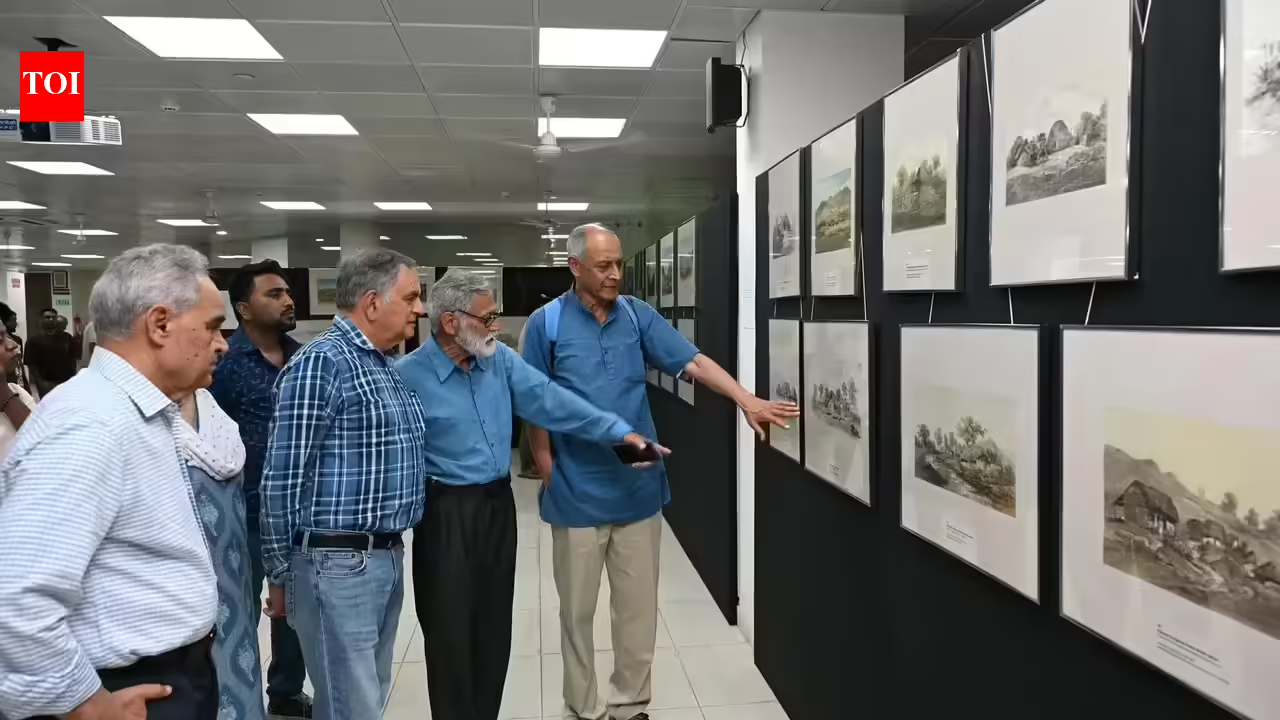
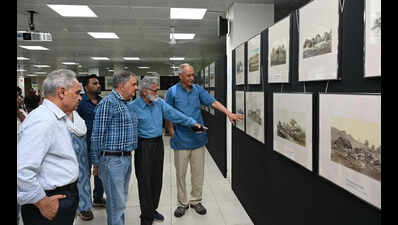
Dehradun: : A rare collection of 77 drawings by the Schlagintweit brothers is offering visitors a glimpse of India as it was nearly 170 years ago. The exhibition, underway at the Doon Library and Research Centre, has been curated by Hermann Kreutzmann of Freie University of Berlin and historian Shekhar Pathak.“The idea to bring these paintings home was conceived over 10 years ago in Munich. It materialized through intense collaboration and coordination,” Pathak told. TOI.
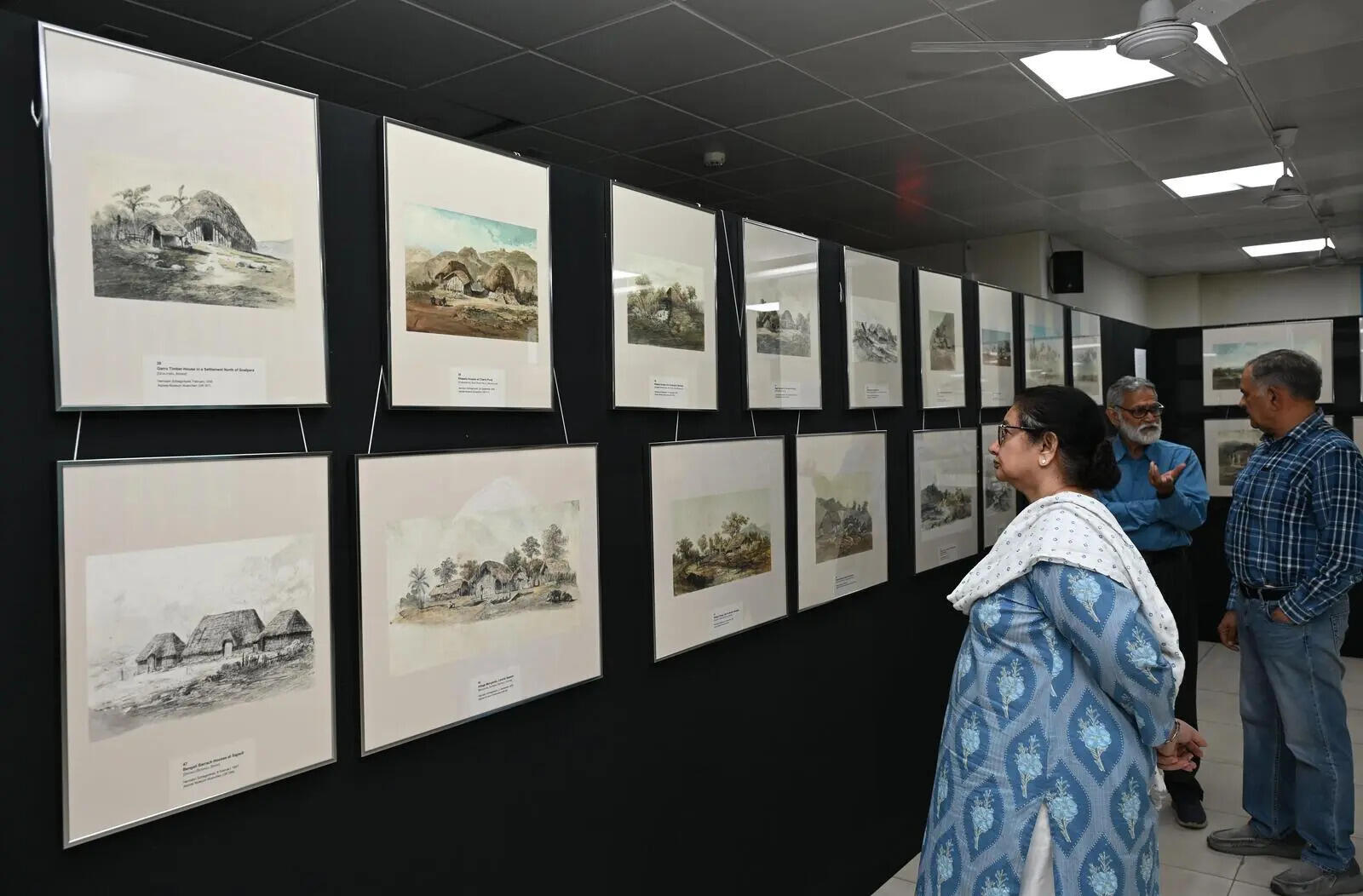
The drawings are on display from May 2 to May 8, between 11am and 6.30pm/Sukanta Mukherjee
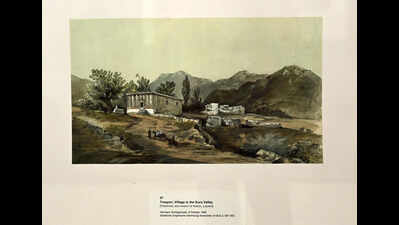
Made by German geologists Hermann, Adolph and Robert Schlagintweit, the paintings depict landscapes, glaciers, trees, buildings and settlements across different regions. The brothers, already known for their mountaineering skills and research in the European Alps, came into contact with geographer Alexander von Humboldt in Berlin. Impressed by their scientific ability, Humboldt encouraged their work. With financial support from the King of Prussia, the brothers traveled across India between 1854 and 1857 as part of a scientific survey mission organized by the East India Company.
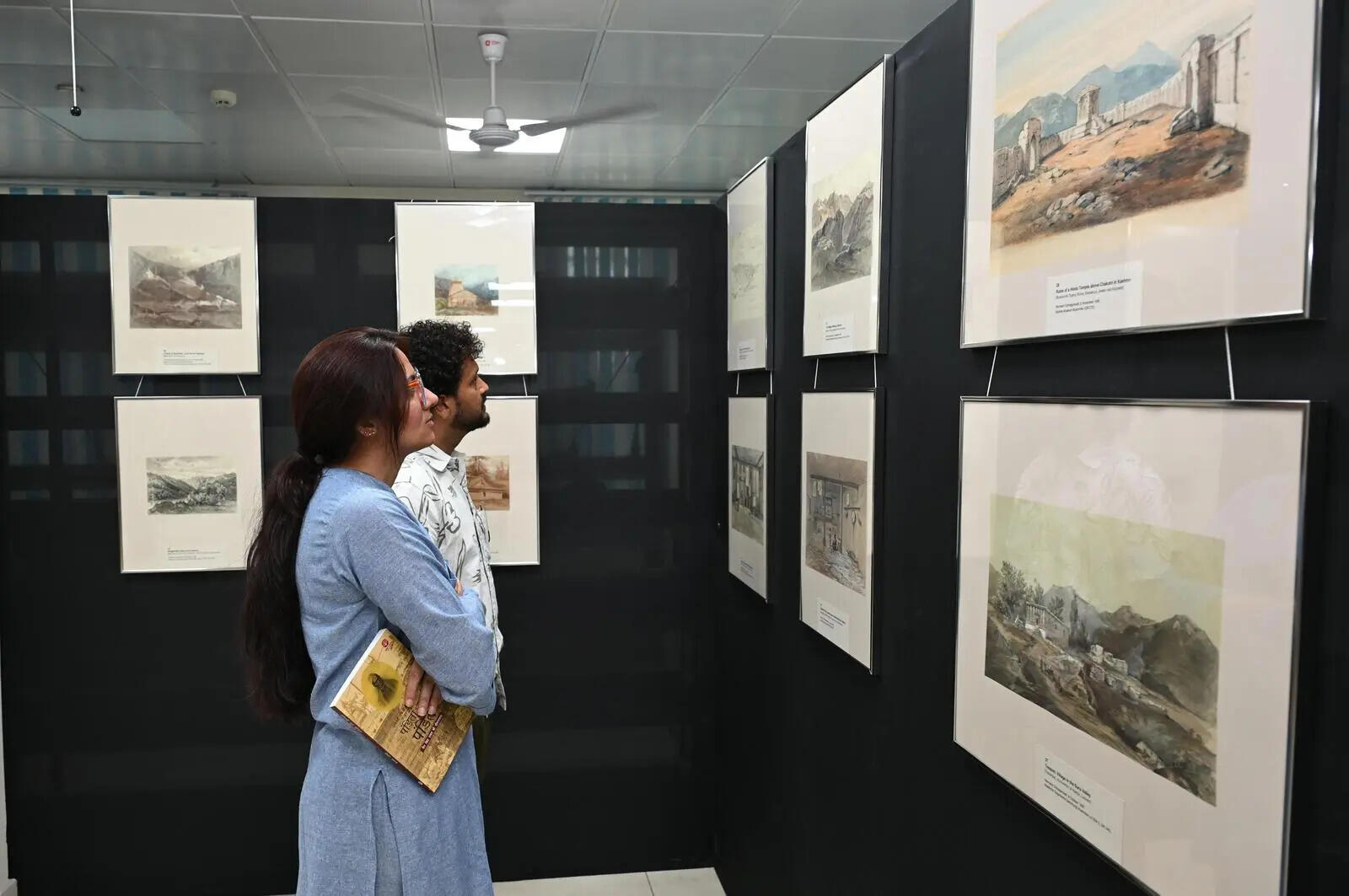
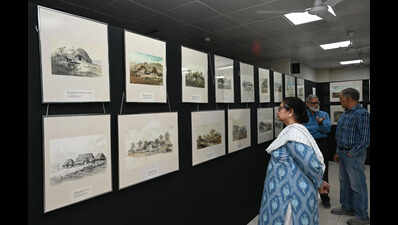
Drawings by the Schlagintweit brothers are offering visitors a look at India as it was nearly 170 years ago / Sukanta Mukherjee
The Schlagintweit brothers covered nearly 18,000 miles, traveling across mountains and plains in different seasons and adapting routes when access was restricted. Their work includes depictions of Kedarnath, Nainital and its surrounding mountains, Baltistan and Ladakh, Assam and the Khasi Hills, and the trans-Himalaya. They also documented places of worship, bridges, rivers and housing and settlements, showing how local materials and climate shaped building styles.
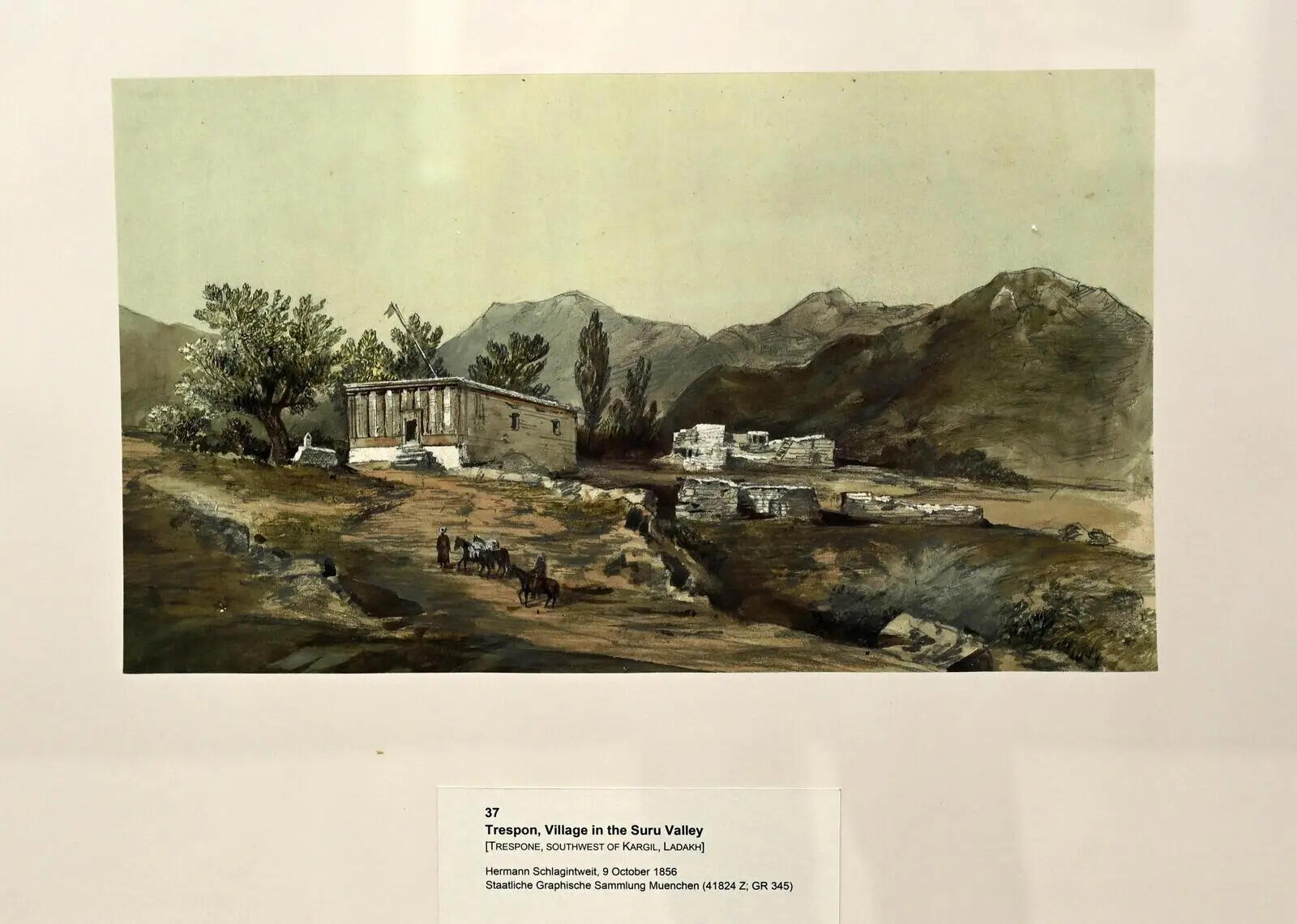
The Schlagintweit brothers documented places of worship, bridges, rivers and housing and settlements / Sukanta Mukherjee
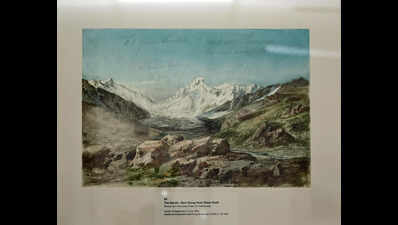
“Most painters of those times were trying to romanticise India but the German scholars’ drawings provide a very realistic insight into what India was 170 years ago,” said historian Lokesh Ohri, adding the brothers first clicked photos and then sketched on top of the photos’ negatives. “Then they painted the views based on those sketches,” he said.Pointing to paintings of Baltistan and Ladakh, Pathak said, “We can also see how the drawings help trace changes over time. This is how these glaciers were 170 years ago, today we have a river flowing through here.”
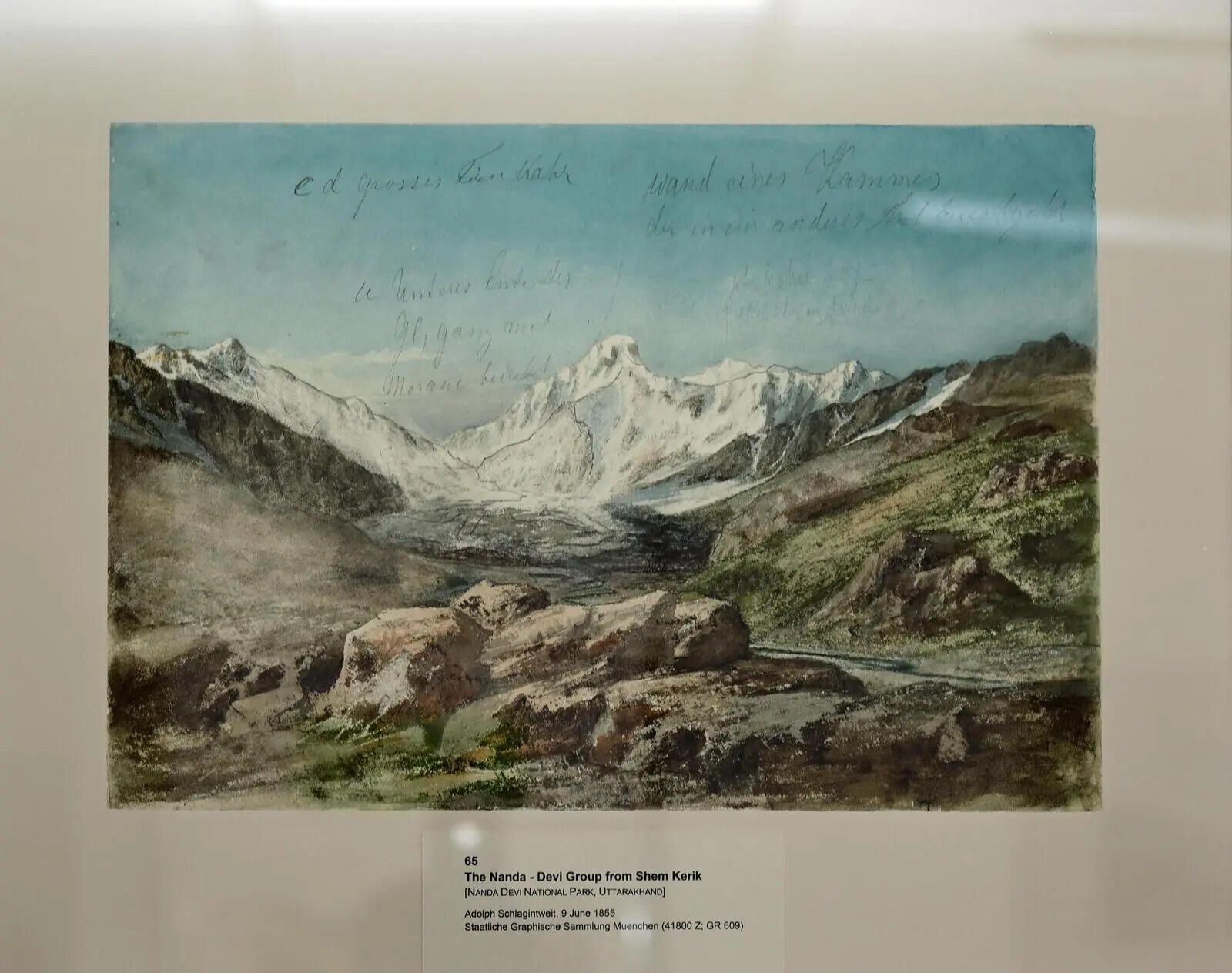
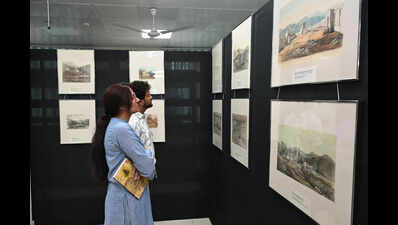
The Schlagintweit brothers’ work includes depictions of Kedarnath, Nainital and its surrounding mountains / Sukanta Mukherjee
Highlighting their significance, Ohri said, “In the Kedarnath drawing, we can see marshy land around the temple. The term ‘Kedar’ itself means marshy land. Today, the area around the temple has been concretised. These drawings show what excessive human interference has done to such sites over the years.”The exhibition opened on Saturday and will run until Friday. Entry is free, and it is open to all from 11am to 6.30pm.