


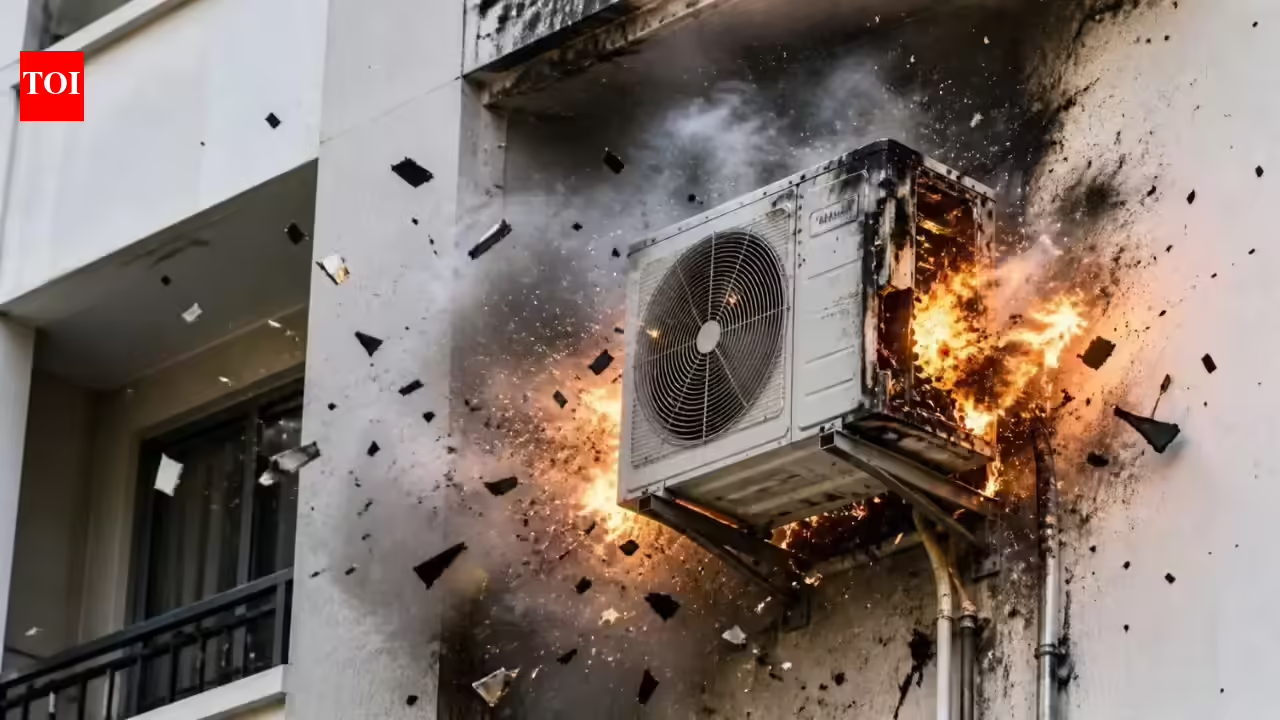
The air conditioner is an indispensable element in Indian households during the summer. With rising temperatures, an air conditioner becomes essential for living in cities like Delhi-NCR. There are both comfort and safety considerations in the use of this equipment. While air conditioner blasts and fire incidents may be rare, they have happened in various cities on account of issues like electrical problems, overheating, and gas leaks. However, such problems are not usually sudden occurrences but arise as a result of negligence over time. Poor maintenance, improper installation, or overuse contribute to the problem.While air conditioner blasts and fire incidents are rare events, they always occur for reasons that could have been avoided. Recent incidents that have taken place in Delhi NCR have indicated the importance of being alert about minor indications and taking remedial measures.Maintenance of the air conditioner, correct installation, and proper usage techniques become very important in avoiding all these hazards.
Common causes of AC blast in summer
Air conditioner explosions or fire-related failures are rare, but they are usually linked to identifiable technical reasons. Most of these are preventable if detected early.
- Electrical faults and short circuits
Electrical issues remain one of the most common causes. Faulty wiring, loose connections, or overloaded circuits can lead to overheating inside the system. When the internal wiring heats beyond safe limits, insulation may fail, increasing the risk of sparks or fire.
- Overheating of the compressor
The compressor is the main working component of an AC. If it runs continuously without breaks or is under excessive load, it may overheat. This can lead to internal pressure imbalance and system failure.Refrigerant gas is essential for cooling, but leakage can create unsafe pressure conditions inside the unit. In rare cases, if combined with heat or sparks, it may contribute to hazardous situations.
- Poor installation practices
Incorrect installation is a hidden risk factor. Improper fitting, loose wiring, or incorrect gas filling can slowly affect system stability. Many problems appear months after installation.
- Lack of regular maintenance
Dust accumulation, clogged filters, and blocked airflow force the system to work harder. Over time, this increases stress on internal components and raises overheating risk.Frequent power cuts and sudden voltage spikes, which are common in some areas of Delhi NCR, can damage AC circuits. Without stabilization, internal boards may fail unexpectedly.
Delhi AC blast incident What it reveals about hidden risks
Recent media reports from Delhi NCR have cited an accident wherein the air conditioning unit had failed and created a fire situation in a domestic household. In such accidents, the root cause can be difficult to pinpoint; however, the preliminary findings in most similar accidents have often traced back to either an electrical fault or overheating of the appliance.Such accidents arise from a multitude of minor issues occurring in a cascading manner. Factors like faulty wiring, lack of servicing, and voltage variations have been commonly cited in such accidents in Delhi NCR.
Air conditioners in summer : Warning signs that should never be ignored
Most of the time, air conditioners give some early indications before the occurrence of any major faults.
- Abnormal vibrations
- Odor of burning
- Inadequate cooling capacity
- Circuit breaker tripping
The presence of a hissing sound from the inside or outside unit is another indication of the leaking of refrigerant gas. Although these signs might seem insignificant at first, ignoring them can cause minor issues to escalate into serious problems.
Importance of electrical safety and proper installation for preventing AC blast accidents
The other efficient means of safety is electrical safety. An important requirement for the operation of the air conditioning system is that there should be an exclusive plug socket. Overloading arises when the power outlet is used to feed other electrical machines alongside the air conditioner. Earthing helps in the safe discharge of any extra electricity.Another important component is voltage regulators, especially in areas where there are problems with electric flow. Loosely connected wires are supposed to be fixed right away. Any temporary fix leads to more hazards in the future. Safe installation minimizes risks in the long run. Outdoor units must be positioned in a well-ventilated spot.Indoor units are supposed to be fixed firmly. This prevents damage that occurs due to vibrations. Professional technicians ensure safe installation by ensuring the right gas and wiring pressure and efficient drainage.
Regular servicing and cleaning habits
Routine servicing plays a key role in preventing AC failures. Filters should be cleaned regularly to avoid dust blockage. Dirty filters restrict airflow and force the system to work harder. Professional servicing is usually recommended once or twice a year. During servicing, technicians check coils, refrigerant levels, and internal wiring conditions.This helps detect hidden issues early. Neglecting servicing allows minor faults to develop into serious technical damage over time.
Safe usage practices at home
Daily usage habits also affect AC safety:
- Running the unit at extremely low temperatures for long hours can strain the compressor.
- Moderate temperature settings are safer for long-term use.
- Using timers or sleep modes helps reduce continuous load.
- Giving short breaks during long usage periods also helps the system cool down naturally.
- Keeping flammable items away from both indoor and outdoor units is also important for household safety.
ALERT! emergency response steps
If any unusual smell, smoke, or overheating is noticed, the AC should be switched off immediately. The main power supply should also be disconnected.No attempt should be made to repair the unit without technical expertise. Internal components carry both electrical and gas-related risks.Calling a certified technician is the safest option. Quick response often prevents further damage or escalation.