

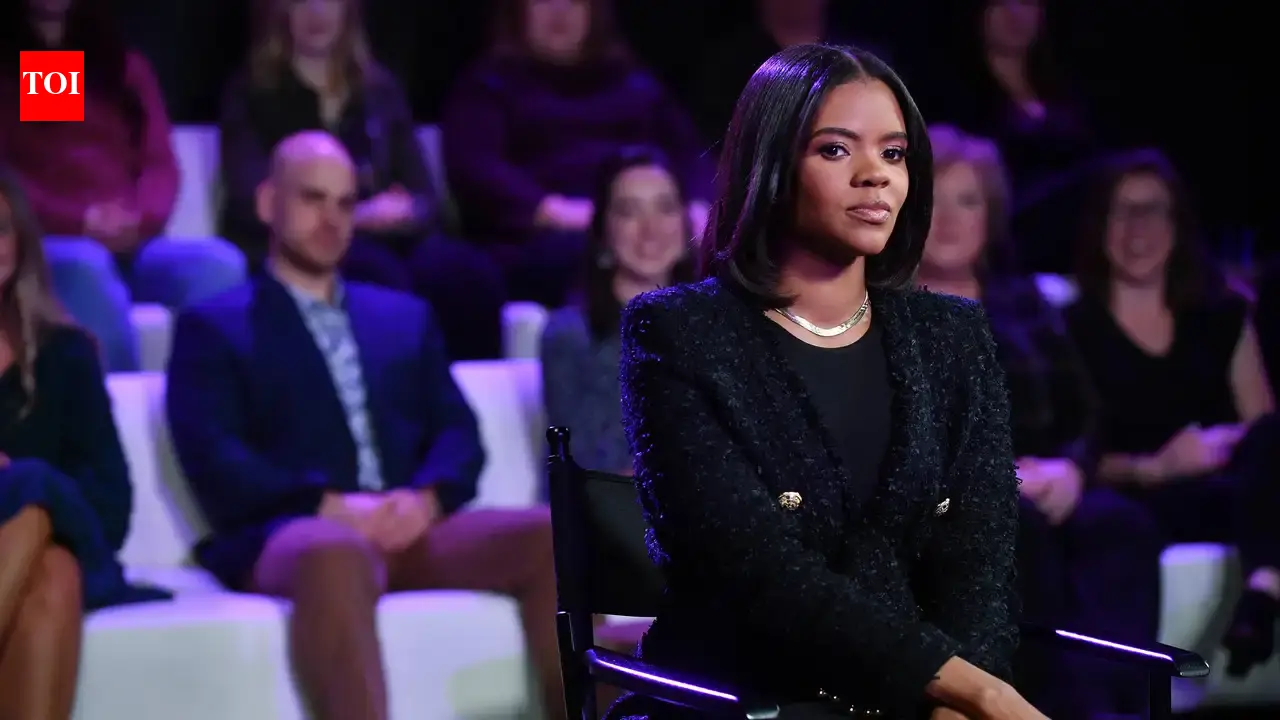

Candace Owens’ legal battle has heated up with the filing of a defamation suit over comments she made about Brian Harpole. What started as a contentious hypothesis surrounding the death of Charlie Kirk has now made its way to the courtroom, with public declarations, podcast remarks and social media posts being examined under a microscope.The fight revolves around a timeline clash and a serious allegation. Harpole denied the allegations against him, saying there was no basis for them, and Owens has responded, contesting the lawsuit’s process and purpose. This sets up a high-stakes narrative in which legal arguments are colliding with public opinion in real time.
Candace Owens responds to Brian Harpole defamation lawsuit
Owens addressed the lawsuit directly on her podcast, making it clear she found the situation unusual. Rather than focusing solely on the allegations, she highlighted what she described as a lack of prior communication from Harpole before legal action was taken.“How curious. What do you mean? You never communicated with me. You never spoke. You never issued any sort of retraction demand. You never answered me when I reached out. This is not at all how it normally goes. I’m pretty accustomed to how lawsuits work,” Owens added.Her reaction signals a broader defense strategy that questions not just the claims, but the process itself. Owens suggested that if the allegations were truly damaging, there would have been earlier attempts to resolve the matter privately.
Brian Harpole lawsuit challenges Candace Owens’ claims
Harpole’s complaint paints a very different picture. It argues that Owens repeatedly promoted a narrative that linked him to a conspiracy surrounding Kirk’s death, including claims tied to a military base meeting. According to the lawsuit, those statements were not only incorrect but harmful.“All of Owens’s statements are either false on their face or create a false meaning reasonably conveyed by the published words. They are not protected opinions, rhetorical hyperbole, or questions without defamatory implication. It is simply false that Harpole knew Charlie Kirk was going to die or was involved in the planning, commission, or alleged cover-up of the assassination.”The filing also disputes the timeline presented by Owens, stating Harpole was in Dallas when he was allegedly seen elsewhere. That detail could become central as the case develops.As the legal process unfolds, the situation reflects a larger tension between commentary and accountability. What is said in public, especially in high-profile spaces, can carry consequences that extend far beyond the original claim.