


In the natural world, a bird’s beak is far more than just a mouth. It is a highly specialized multi-tool, refined over the years to master specific environments. While we often marvel at feathers or song, the sheer diversity of avian bills offers a fascinating glimpse into the relentless drive of evolution. Whether it is the scythe-like curve of a curlew probing the British silt or the formidable, wedge-shaped bill of a scavenging marabou stork, these anatomical wonders are masterpieces of biological engineering. Beyond their striking appearance, these beaks serve as precision instruments for feeding, temperature regulation, and even social signaling. Here, we explore six extraordinary species whose remarkable bills define their very existence, proving that when it comes to survival, size and shape truly matter.
List of birds with the longest beaks: Nature’s most unusual creations
1. The Marabou Stork
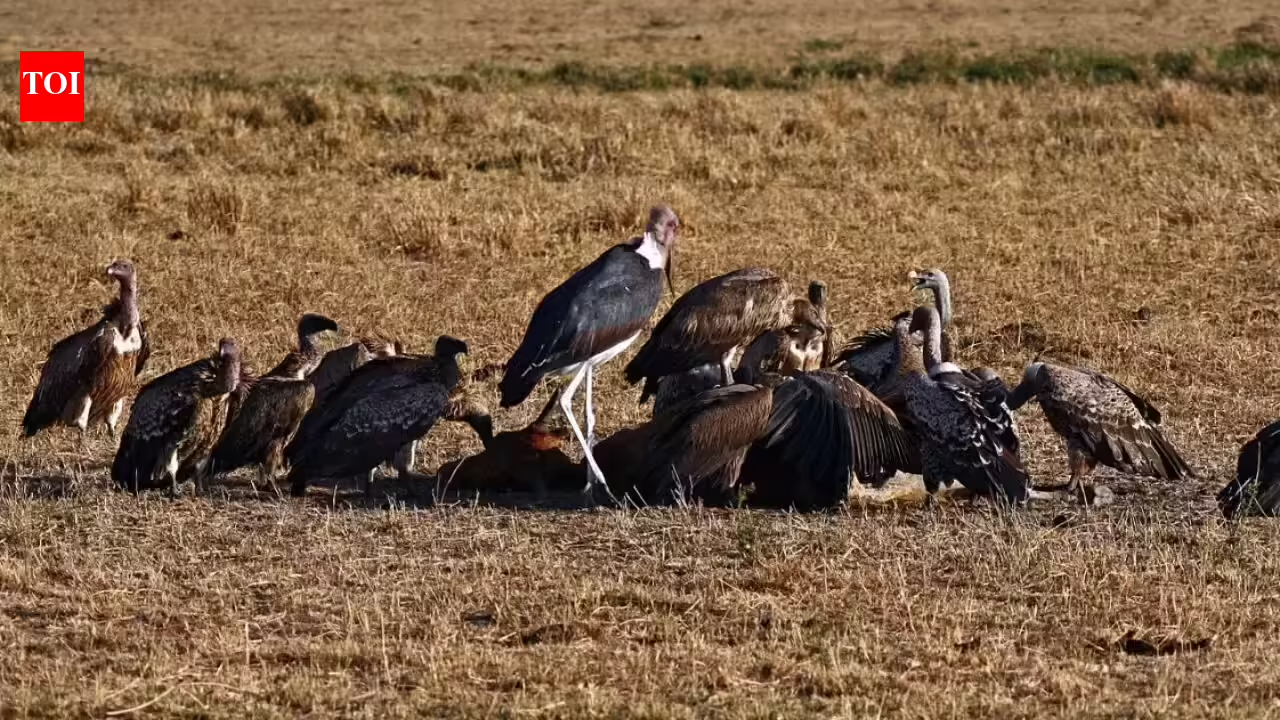
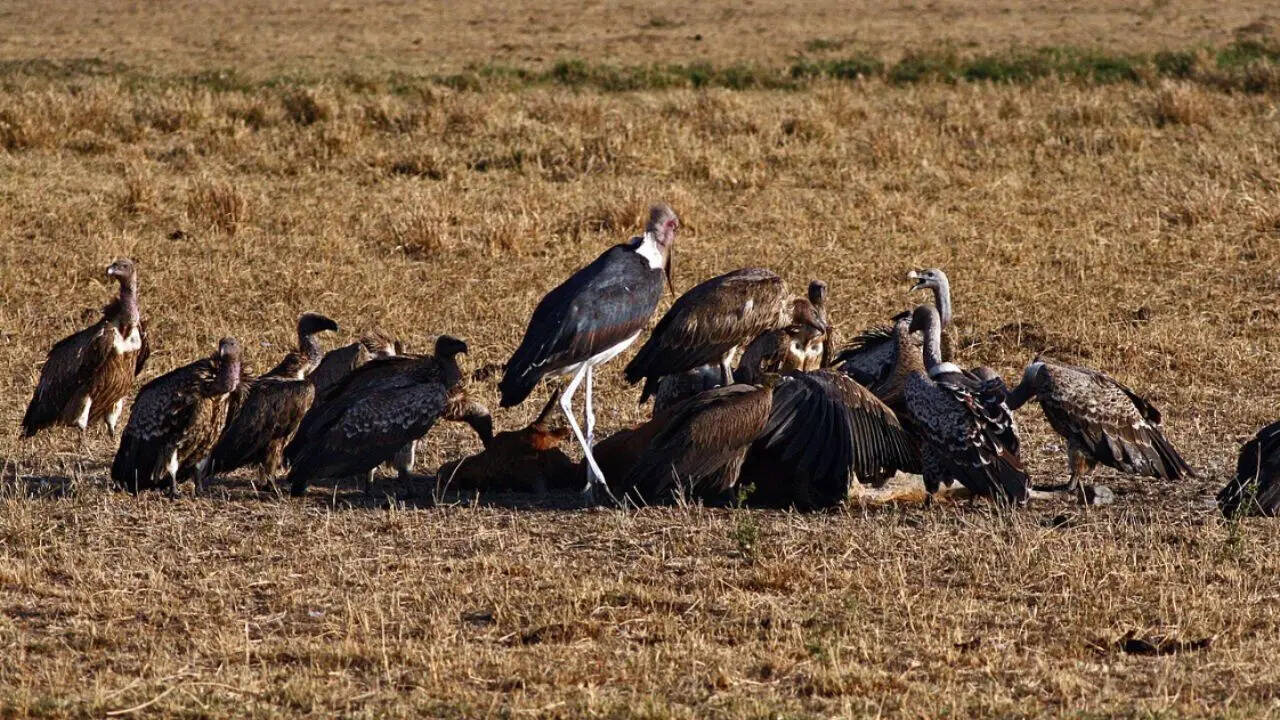
The marabou stork is a bird that truly commands attention, though perhaps not for its beauty. It is best known for its massive, wedge-shaped beak, which serves as a powerful multi-tool for a life spent scavenging. Whilst many might find its appearance somewhat macabre, this formidable beak is a masterpiece of evolutionary adaptation, allowing the stork to tear through tough carcasses and compete with vultures for the best pickings. However, despite being such a conspicuous and ecologically vital species, it is often overlooked in the scientific literature. According to the research published in ResearchGate, titled” The state of stork research globally: A systematic review,” a significant geographical and taxonomic bias is noted, that while species like the white stork are studied extensively in Europe, many tropical storks, including the marabou, remain comparatively under-researched in their native ranges. This gap in the understanding is particularly concerning, given that nearly 75% of stork species lack detailed population and behavioral data, making the preservation of these giant-billed birds a complex challenge for global conservationists.
PC: wikipedia
2. The Eurasian Spoonbill
The Eurasian spoonbill is distinguished by its highly specialized, spatulate beak, which is long, flat, and broadens significantly at the tip. This unique anatomical feature is essential for its “mowing” feeding technique, where the bird wades through shallow, brackish or freshwater wetlands and swings its partially open beak in a rhythmic side-to-side arc. As per the report by the datazonethese species rely on a sophisticated tactile system rather than sight, when the sensitive nerve endings inside the beak detect the movement of prey, typically small fish, aquatic insects, and then snap shut with remarkable speed. While the species maintains an extremely large global range stretching from Europe and Africa to Central and East Asia, its survival is heavily dependent on the protection of vast, undisturbed coastal lagoons and marshes. Despite its broad distribution, the Eurasian spoonbill faces ongoing threats from habitat loss and the degradation of these vital wetland ecosystems, which are necessary for both its complex foraging habits and its colonial nesting requirements.

pc: wikipedia
3. The Eurasian Curlew
The Eurasian curlew is the largest European wading bird, instantly recognizable by its incredibly long, down-curved beak. The beak of the curlew is a masterpiece of evolutionary design, specifically adapted for life on open mudflats and coastal estuaries. According to BirdLife Internationalthe length of the beak allows the curlew to reach deep into the substrate to extract lugworms and other invertebrates that remain out of reach for birds with shorter beaks. Interestingly, the female’s beak is typically longer than the male’s, which reduces direct competition for food between the sexes by allowing them to probe different depths of the silt. Despite being a widespread migratory species, the curlew is currently a bird of significant conservation concern. Its reliance on specific damp grasslands for breeding and undisturbed coastal habitats for wintering makes it highly vulnerable to changes in land management and habitat loss across its global range.

pc: wikipedia
4. The Pied Avocet
The pied avocet is one of the most striking birds found in the UK, instantly recognizable by its bold black-and-white plumage and its extraordinary, up-curved beak. They have a slender, black beak. The beak is a highly specialized tool designed for a unique feeding method known as ‘scything’. According to the RSPBthe avocet feeds by wading through shallow, brackish water and moving its long, thin beak from side to side through the surface of the silt to catch small aquatic invertebrates. This delicate approach allows it to exploit food sources that are inaccessible to other waders with straight or down-curved bills. Once a rare sight in Britain, the avocet has become a symbol of successful habitat management, particularly after its return to coastal nesting sites during the mid-20th century. Its survival remains closely linked to the availability of protected saline lagoons and estuaries, where its specialized anatomy allows it to thrive in the tidal rhythm of the coast.

pc: wikipedia
5. The Toco Toucan
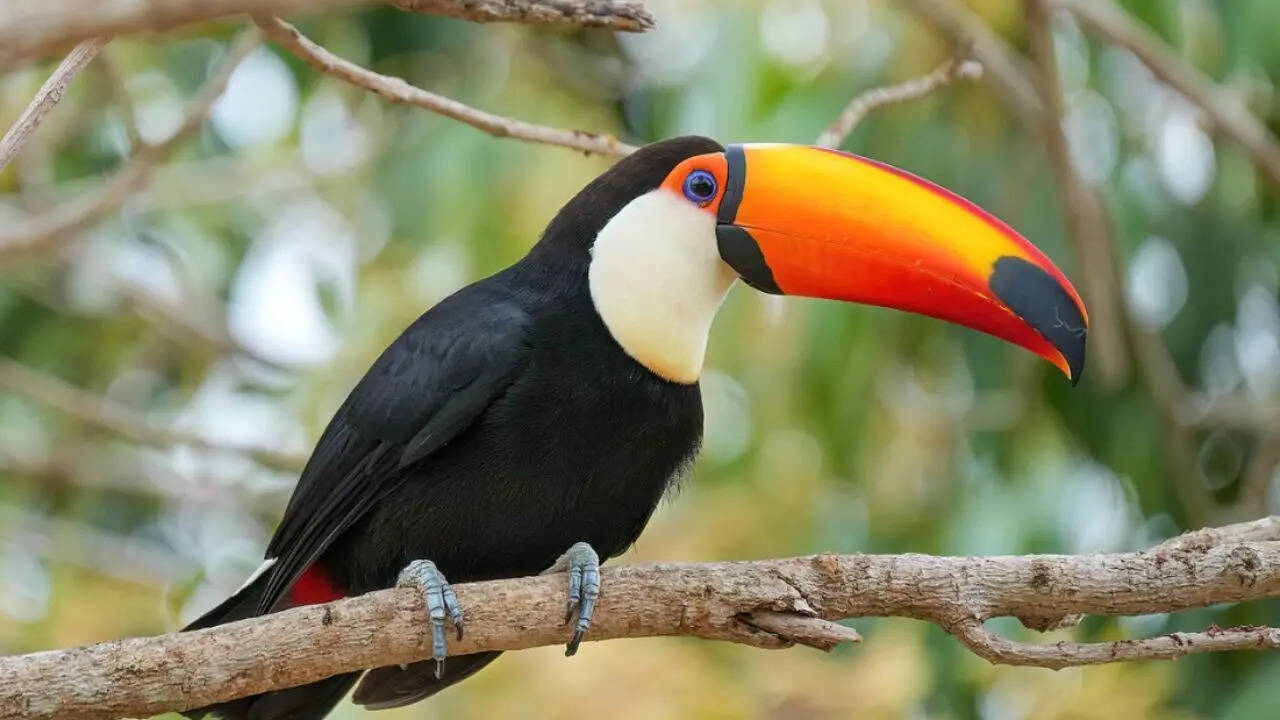
The toco toucan is arguably the most famous member of the toucan family, largely due to its incredibly large and vibrant orange beak. While it appears heavy and cumbersome, as per reports by the Saint Louis Zoo, it clarifies that the beak is actually remarkably light. It is constructed from a honeycomb of bone fibers covered by a thin layer of keratin, the same protein found in human fingernails. This specialized structure allows them to maintain their balance whilst using the beak’s significant reach to pluck fruit from branches that would be too weak to support their body weight.Beyond its role in feeding and attracting mates with its bright colours, the toco toucan’s beak serves a vital physiological purpose as a thermal radiator. By adjusting the blood flow to the beak, the bird can either conserve heat or release it into the atmosphere, making it one of the most effective temperature regulation systems in the animal kingdom. This adaptation is essential for surviving the fluctuating temperatures of its South American habitat, ranging from the humid rainforest canopy to more open woodlands.
pc: wikipedia
6. The Sword-Billed Hummingbird
The sword-billed hummingbird is a biological marvel, being the only bird species in the world with a beak that is longer than its entire body. Found throughout the high-altitude Andean cloud forests, this hummingbird possesses a specialized, needle-like beak that can exceed ten centimeters in length. This extraordinary adaptation allows the bird to access nectar from extremely long, tubular flowers, such as those of the Passiflora mixta, which are entirely inaccessible to other hummingbird species. According to eBird, This extreme morphology creates a unique set of challenges and solutions for the bird’s daily life. Because its beak is so heavy and long, the sword-billed hummingbird often perches with its head tilted upward to reduce the strain on its neck muscles. Furthermore, they cannot use their beak for preening like other birds; instead, they must use their feet to clean and arrange their feathers. This singular evolutionary path demonstrates a high degree of niche specialization, as the bird and its preferred flowers have evolved together in a fascinating display of mutual dependence.

pc: wikipedia