




There are some health conditions that arrive loudly, with visible symptoms and obvious warning signs. Then there are others that pass through generations, unnoticed for years, until one day a family is forced to confront a painful reality. Thalassemia trait belongs to the second category.Across India, of people may be carrying the thalassemia gene without ever knowing it. They feel healthy, go to work, raise families, and live completely normal lives. But hidden inside their genes is a condition that can deeply affect future generations if left undetected.What makes thalassemia trait especially concerning is not what it does to the carrier, but what can happen when two silent carriers have a child together.As awareness around preventive healthcare grows, doctors are now urging families to treat thalassemia screening with the same seriousness as routine blood tests. A simple test done before marriage or early during pregnancy can sometimes prevent a lifetime of medical struggle for a child.
What exactly is thalassemia?
Thalassemia is an inherited blood disorder that affects the body’s ability to produce healthy hemoglobin, the protein in red blood cells that carries oxygen throughout the body. When hemoglobin production is affected, the body struggles to make enough healthy red blood cells, leading to anemia and other complications.There are different forms of thalassemia. The most severe form is called thalassemia major, where children often require regular blood transfusions for survival. Then there is thalassemia trait, also known as thalassemia minor or carrier state.People with thalassemia trait usually do not appear sick. Many never realize they carry the gene.Explaining this, Dr Pawan Kumar Singh says, “An individual with thalassemia trait would normally not exhibit severe symptoms and the person would live normally. This is the reason why it is not always noticed.”That is exactly why doctors call them “silent carriers.”According to the National Health Mission India guidelines on haemoglobinopathies, India carries one of the world’s largest burdens of thalassemia carriers. Estimates suggest that around 3 to 4 percent of Indians may carry the beta-thalassemia trait.
Why silent carriers become a hidden danger
The biggest risk appears during family planning.If only one partner carries the thalassemia trait, the child may simply become a carrier too. But when both parents are carriers, the situation changes dramatically.Dr. Singh explains, “When both partners are carriers, there is a 25 per cent probability that with each pregnancy, their child may be born with thalassemia major.”This is not a small medical inconvenience. Thalassemia major is a lifelong condition that can demand monthly blood transfusions, expensive medicines, repeated hospital visits, and constant monitoring for complications such as iron overload, infections, heart problems, and organ damage.Many parents only discover they are carriers after their child is diagnosed.What makes the issue more complicated is that mild symptoms in carriers are often ignored. Some people may feel tired or mildly anaemic, but these signs are frequently mistaken for iron deficiency.As a result, many individuals take iron supplements unnecessarily while the actual cause remains undetected.
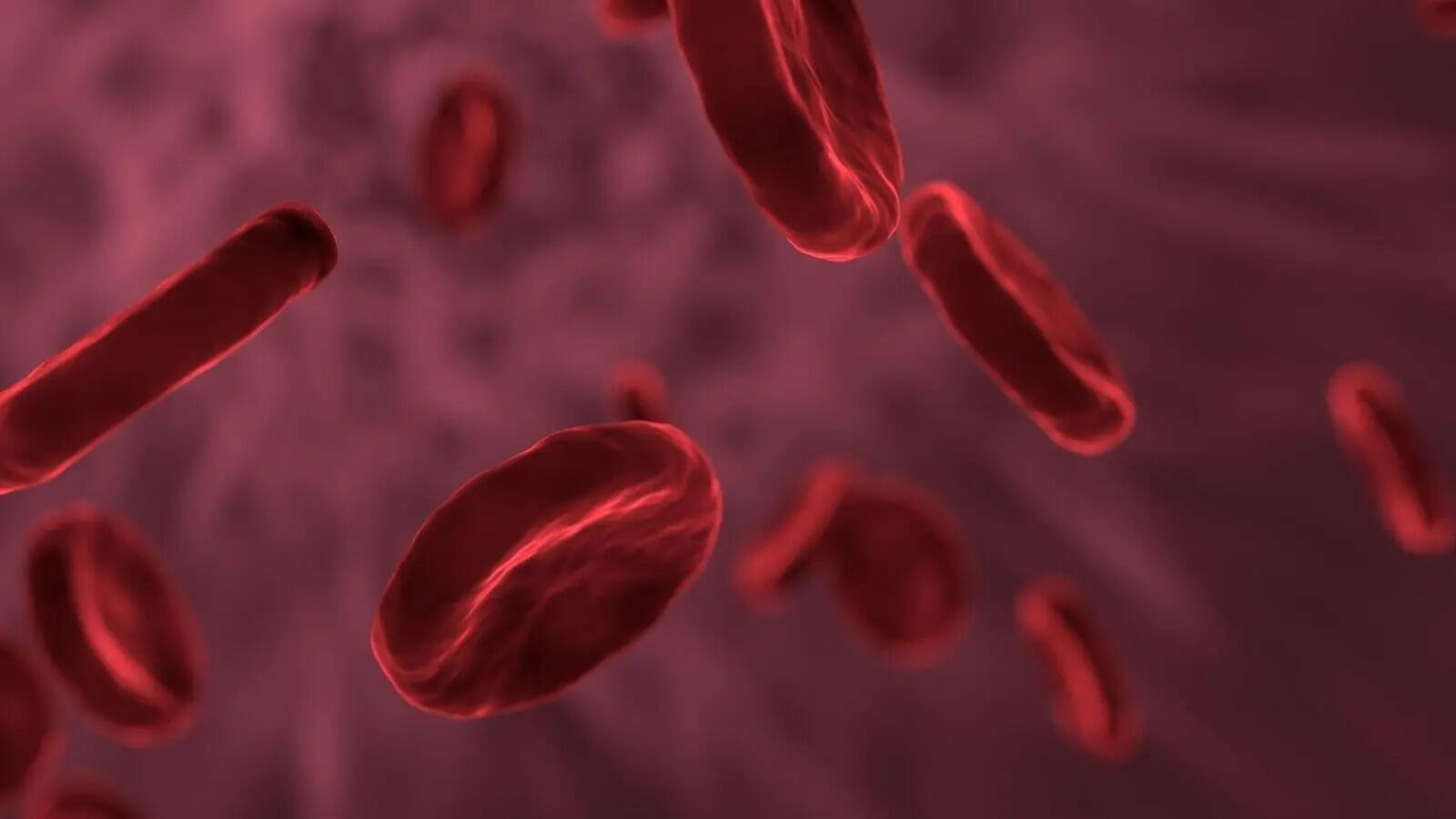
Doctors stress that early screening, especially before marriage or pregnancy, can help families make informed decisions and reduce future health complications. Awareness, genetic counselling, and accessible testing remain key to prevention.
The simple blood test that can change generations
Unlike many complicated genetic disorders, thalassemia trait can often be identified through a relatively simple blood test.Dr Singh says, “The good news is that thalassemia trait is easily diagnosed by a simple blood test, like Hb electrophoresis.”This test checks the type and amount of hemoglobin present in the blood and helps doctors identify whether someone is a carrier.Experts increasingly recommend screening before marriage or during early pregnancy. In many countries, premarital screening programs have significantly reduced the number of children born with thalassemia major.In India, awareness is still uneven. Urban families may hear about screening through hospitals or doctors, but in many smaller towns and rural areas, the condition remains poorly understood.That gap in awareness matters because prevention often begins with conversation.Genetic counseling also plays an important role. If both partners are carriers, doctors can explain possible risks, prenatal testing options, and available medical support. The goal is not fear. It is informed decision-making.Public health experts believe schools, colleges, and workplaces can help normalize conversations around genetic testing, especially among young adults.
Why prevention matters more than lifelong treatment
Children with thalassemia major often spend much of their lives moving between hospitals, blood banks, and treatment centers. Families too carry emotional and financial stress for years.And yet, in many cases, the condition is preventable.Dr. Singh notes, “As opposed to most other medical conditions, thalassemia is largely preventable. It is not transmitted by the infectious mechanism but is genetically determined.”That makes awareness incredibly powerful.Countries such as Cyprus and Iran introduced structured screening programs years ago and reported major declines in severe thalassemia births. Public health experts in India have repeatedly argued that similar large-scale awareness campaigns could make a substantial difference here too.For many doctors, the message is simple: a blood test done at the right time can spare a child from lifelong suffering.
Building awareness without fear or stigma
One of the biggest challenges around genetic conditions is silence. Many families hesitate to discuss testing because they fear social judgment, marriage concerns, or misunderstanding.But doctors say carrier status is not an illness and should never be treated like one.A person with thalassemia trait can study, work, marry, exercise, and live a completely healthy life. The importance lies in awareness and informed planning.Dr. Singh puts it clearly: “Thalassemia trait can be asymptomatic, and its effects can be far reaching when neglected.”That is why experts believe awareness campaigns must move beyond hospitals and into communities, schools, and public conversations.There is also a larger emotional truth attached to this issue. Many parents who discover their child has thalassemia major often carry a painful question for years: “Could this have been prevented?”In many cases, the answer is yes.A healthier future often begins with informed choices, honest conversations, and one simple medical test.Medical experts consultedThis article includes expert inputs shared with TOI Health by:Dr Pawan Kumar Singh, Vice Chairman – (Haemato-Oncology & BMT), Oncology, ShardaCare–Healthcity.Inputs were used to explain how thalassemia trait often remains unnoticed in carriers, why early screening is important, and how timely genetic testing can help prevent severe thalassemia in future generations.