


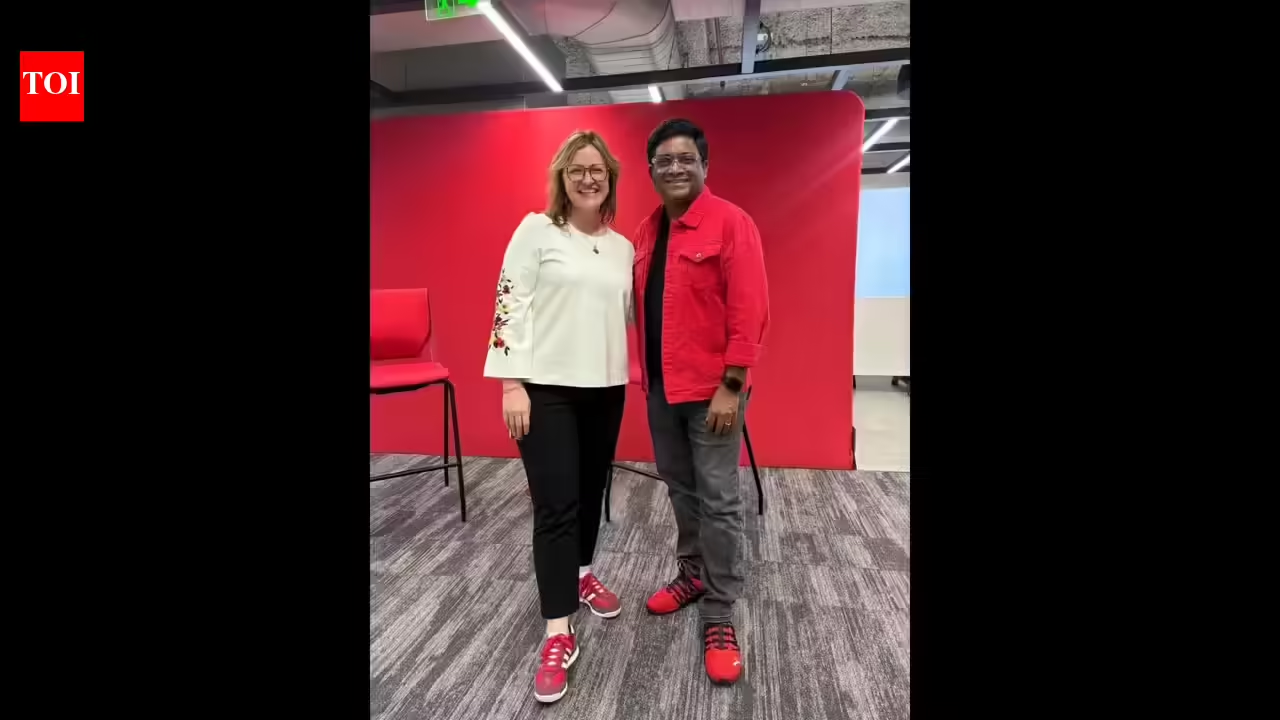
Andrea Zimmerman & Pratt Vemana
What a coincidence that the technology heads of two of the biggest general merchandising companies in the US today are Indians, and both Tamilians! One of them – Suresh Kumar, global chief technology officer and chief development officer at Walmart – has been featured on our pages several times. The other is Pratt Vemana, executive VP, and chief information and product officer at Target. We met Prat for the first time recently at Target’s global capability center (GCC) in Bengaluru.He tells us he grew up in Arakkonam, in Chennai, studied computer science engineering at Sathyabama Engineering College, and worked at Rane and Ramco in Chennai, before moving to the US to work at Syntel. He worked on early mobile healthcare applications, including on Palm PDA and WinCE devices in 1997, spent time at a think tank in Cambridge, Massachusetts, studied MBA at MIT Sloan, and moved through Staples, Home Depot and Kaiser Permanente – one of the largest healthcare non-profits in the US – before joining Target in 2022.Target, he says, had long been talking to him, and was a brand that made his family “light up.”Now, he is trying to put AI into the hands of everyone shaping Target’s retail experience, from designers and planners to store teams and digital engineers.Target is recasting retail technology for an AI-first world, and its Bengaluru center is emerging as a key engine in that shift. The $105-billion US retailer is reworking its app, search engine, store systems, supply-chain platforms and merchandising workflows to move from “using AI” to what Pratt calls “running on AI.” “It’s not automating a specific process. It’s rethinking the entire process,” he says.The retailer is known for style, design and curated merchandise. Prat is empowering designers to design with more tools and intelligence in their hands. He’s strengthening the store experience, while also investing in the digital discovery of it.Search is no longer just keyword-driven. Consumers are becoming more conversational. Instead of typing “men’s red shirt,” they may ask for “a jacket for extreme weather” or “help me plan a cozy movie night.” The company has rewritten its search engine and product recommendation systems to be AI-ready and conversational. “A lot of it is driven from India,” he says.The app has also been rebuilt. “In the last 18 months, we have completely rewritten 60% of the code,” Pratt says. The aim is to make every experience composable and personalized. A guest looking for bottled water should not get the same digital experience as someone shopping for swimwear or apparel.“We could manually create those templates, but we could also now have AI create the templates,” he says.Multi-agent systemAI is also changing the back end of retail. Prat points to supplier onboarding. Traditionally, onboarding a supplier means checking financial viability, industry credibility, product fit, ingredients in products, and compliance with Target’s assortment standards. Target is building a multi-agent system to do much of that groundwork.“We go from a three to four-week vetting process to a three-hour vetting process,” Pratt says. AI surfaces exceptions and areas needing human attention.A foundational platform for this is ThinkTank, developed initially by a US team but which soon expanded to a global team spanning the US and India. It provides a control plane for AI agents, allowing teams to see which agents are running, what they are doing, and how they are orchestrated.Andrea Zimmerman, SVP and president of Target in India, says ThinkTank now operates as an integrated global platform, and continues to evolve. Pratt says ThinkTank 2.0 will include multi-agent orchestration, auditability and context graphs. “When we go from using AI to run on AI, we know where we are running,” he says.The India centre’s role goes well beyond technology. Target in India has been around for 21 years and has about 5,500 employees. Andrea says it now operates as an “integrated headquarters.”“We have representation across just about every single business unit in our corporate center in the US,” she says. That includes marketing, digital, supply chain, store operations, technology, merchandising, and design-linked functions.Prat says the platform that decides which product should be fulfilled from which store is run from Bengaluru. “It’s billions of calculations in an hour,” he says.The India team also works on planograms, store layouts, product presentation and store transitions. Target Every store varies by neighbourhood, weather, space and customer profile. A Manhattan store may look very different from a suburban store or a college-store format. Much of that intelligence is data-driven and operated from India.Andrea says the India team is “obsessed with the guest experience in the store.” Around 90% of Target’s store remodels are delivered by teams here, she says.———————-
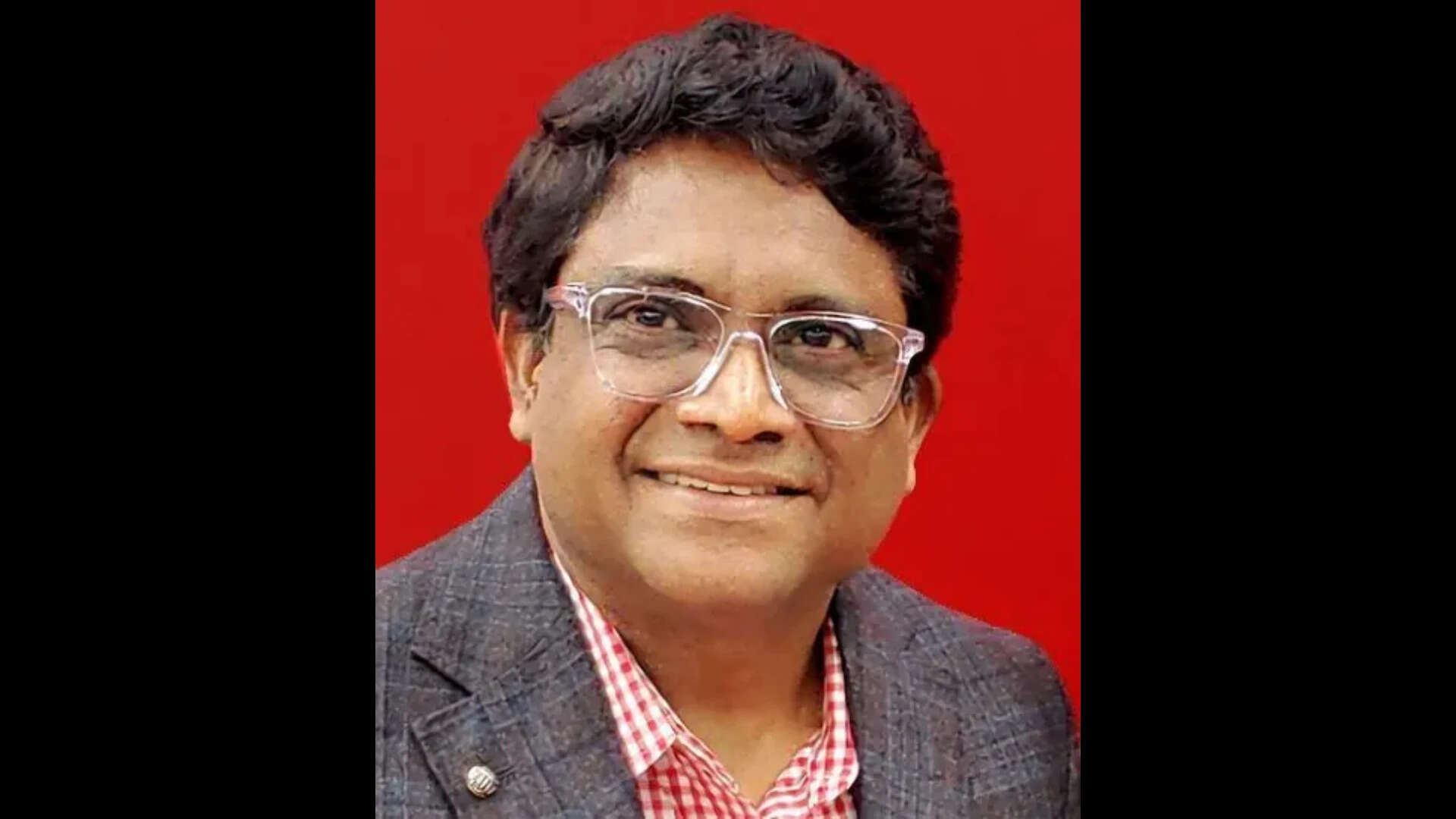
We are moving from using AI to running on AI. It’s not automating a specific process, it’s rethinking the entire process.Prat Vemana, Chief Information and Product Officer, Target
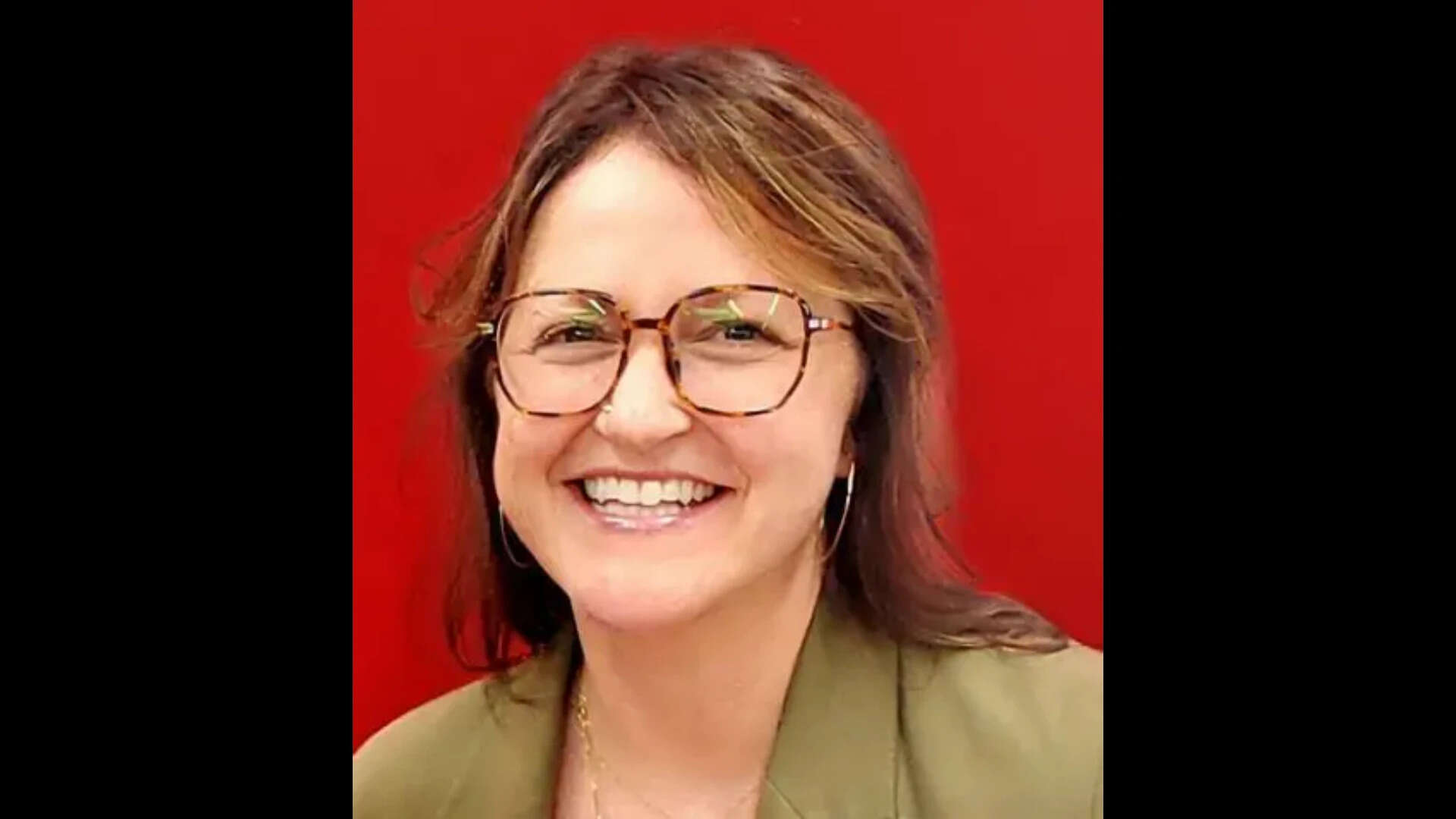
The India center has representation across just about every single business unit in our corporate center in the US. It allows us to unlock and drive solutions and impact in a really connected way, in ways that teams here can feel their impact to our core retail business and to the US consumer, which is really exciting.Andrea Zimmerman, President, Target in India
About the Author

Previous Post
Next Post