

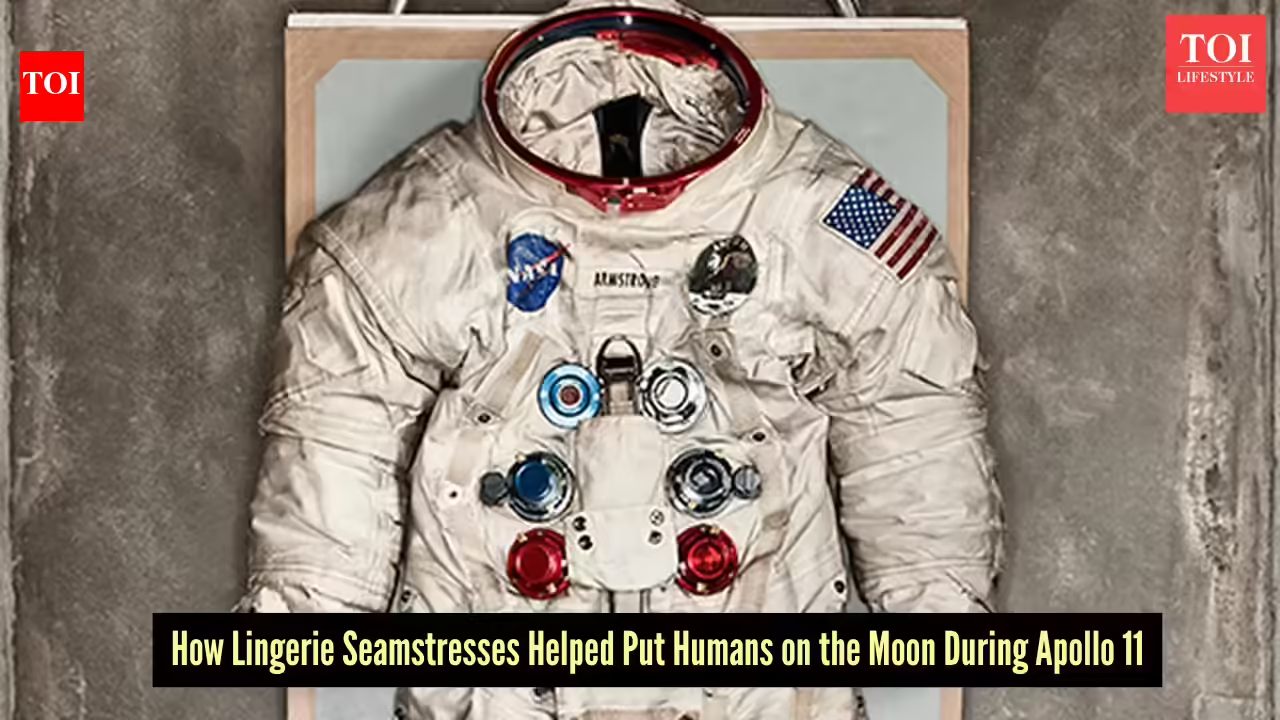
Think about the Apollo 11 Moon landing for a second. What is the first thing that pops into your head? You are probably picturing massive rockets, stoic astronauts, and rooms full of Houston engineers frantically calculating trajectories. It’s incredibly easy to look back at that historic leap and see a story written entirely in cold metal, volatile rocket fuel, and unforgiving math. But history loves a good plot twist. t turns out, the very suits that kept Neil Armstrong and Buzz Aldrin alive weren’t churned out by heavy machinery. They were stitched together by hand. And the people holding the needles weren’t aerospace engineers—they were seamstresses from a company famous for making brassiere and girdles.
(Image Credits: Instagram)
An Unlikely Contender in the Space Race Back in the 1960s, NASA was in a frantic dash against the clock to put a man on the moon. Naturally, they turned to giant military-industrial contractors to build a spacesuit. And just as naturally, those heavy-hitting firms totally missed the mark. Why? Their prototypes were stiff, bulky, and robotic. They approached a spacesuit like it was a miniature spacecraft, completely forgetting that a living, breathing human had to actually walk around inside it. Enter the International Latex Corporation (ILC). Since their bread and butter was designing women’s undergarments, their teams had a profound understanding of how fabrics stretch, fold, and behave under pressure. They knew the human body. When they entered the fray, it wasn’t brute-force engineering that won NASA over; it was pure, intuitive garment-making.
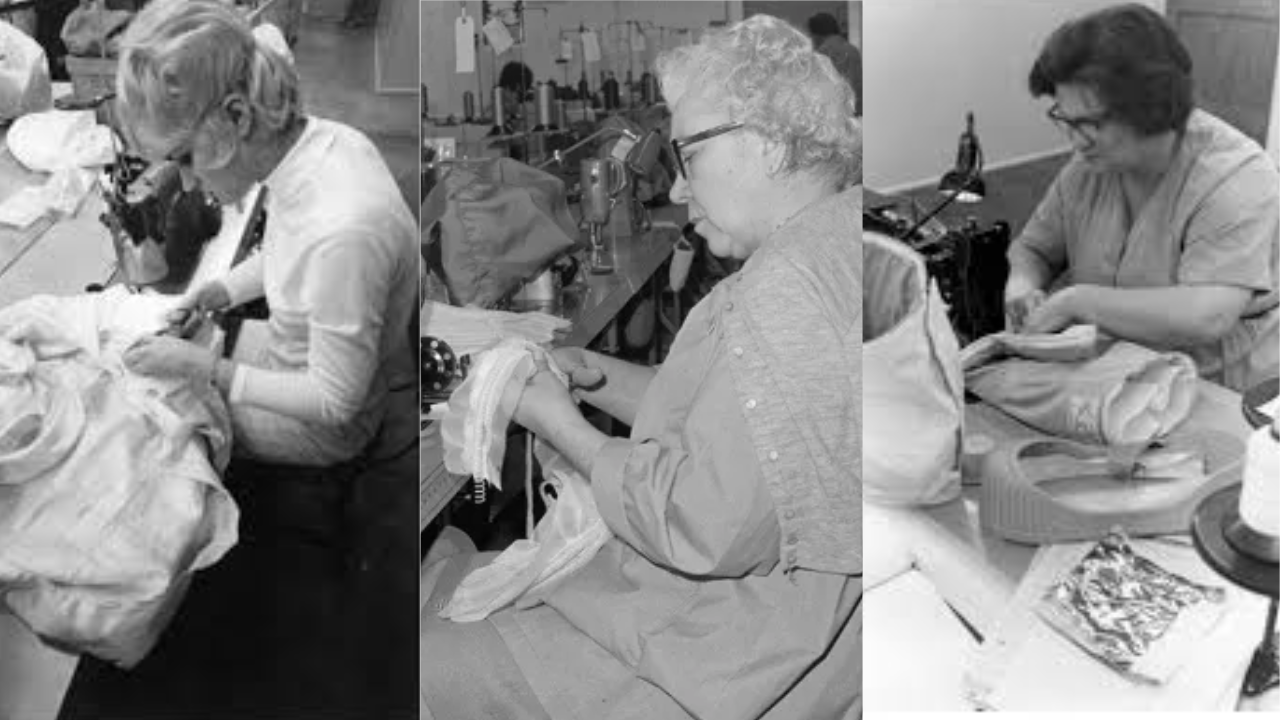
High-Stakes Stitching The real magic, though, happened on the sewing floor. The women tasked with crafting these spacesuits weren’t just working a standard assembly line. They were essentially holding the lives of America’s astronauts in their hands. The precision required was mind-boggling. We’re talking about tolerances as tight as 1/64th of an inch. There was absolutely zero room for a bad day at work. A single misplaced stitch or a tiny flaw in the suit’s rubber bladder could mean a fatal loss of pressure in the cold vacuum of space. Because the stakes were literally life or death, even basic tailoring tools were considered dangerous. Straight pins, a staple of any sewing room, were strictly banned. One accidental prick could ruin an entire spacesuit. Everything had to be handled with extreme, meticulous care. It was craftsmanship under unimaginable pressure.
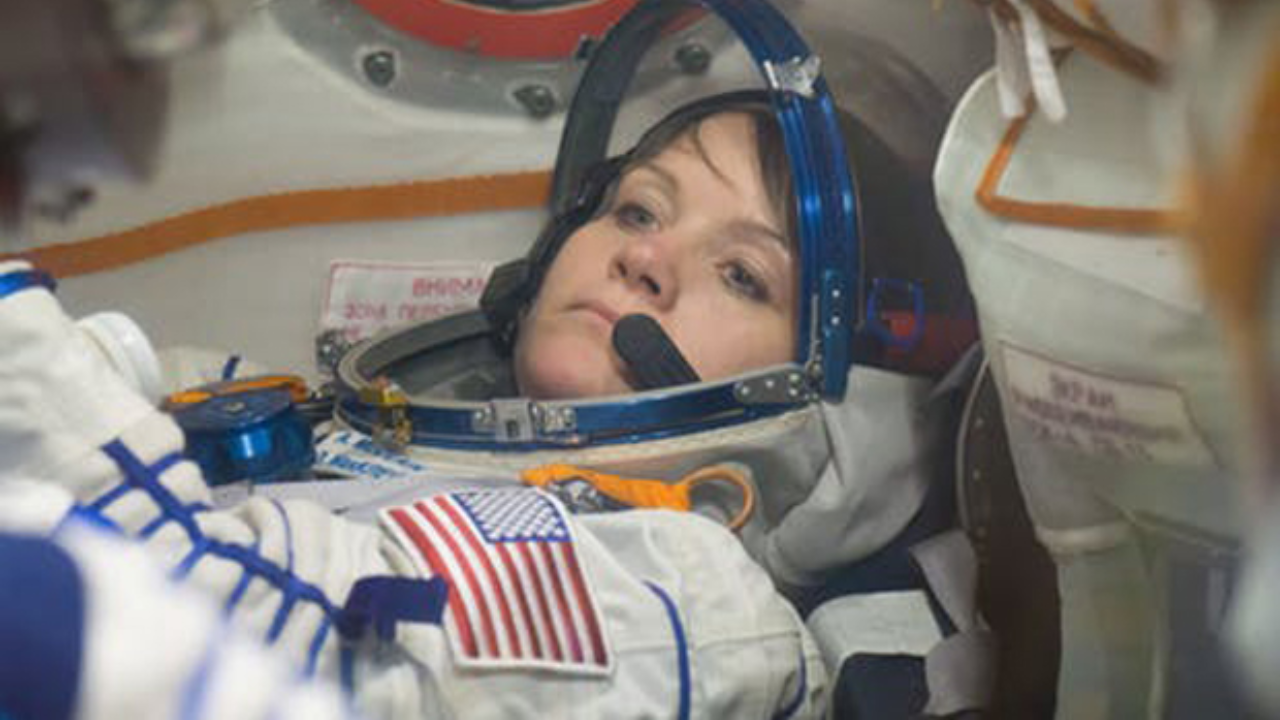
(Image Credits: Instagram)
Cosmic Couture In many ways, creating an Apollo spacesuit had more in common with high fashion than aerospace manufacturing. Every single suit was custom-made. For someone like Neil Armstrong, a perfect fit wasn’t a luxury—it was a survival necessity. A suit that was even a fraction too tight left an astronaut completely unable to bend his elbows to reach the control panels. But if it was too loose? The pressurized air inside could shift around with terrifying force. Getting that fit exactly right meant enduring endless rounds of painstaking adjustments. The sewing teams tweaked the fabric millimeter by millimeter, refusing to compromise. This was no sterile, robotic factory line. Instead, bringing these life-saving suits to reality evolved into a deeply personal, intensely hands-on partnership. They even lined parts of the suit with soft, girdle-like material to stop the astronauts from chafing during their week-long mission. When Intuition Met Cold, Hard Data Of course, getting NASA’s strict engineers and ILC’s seasoned seamstresses on the same page wasn’t always easy. The engineers lived by diagrams and rigid documentation. The women at the sewing machines, however, worked by feel. They possessed an instinct built over decades of handling fabric—a kind of knowledge you simply can’t write down in an instruction manual. It sparked a bit of a culture clash at first. Yet, it quickly became apparent that getting a man to the moon required both. Precision didn’t just come from calculators; it came from hands that knew exactly how a seam was supposed to feel. When we look back at the Apollo missions, we rightly celebrate them as massive victories of human courage and scientific genius. Yet, tucked away behind the deafening roar of the rocket engines is a much quieter—but absolutely essential—piece of history. It is the enduring legacy of the women whose masterful needlework didn’t merely aid our leap into the cosmos. They literally stitched the journey together.