



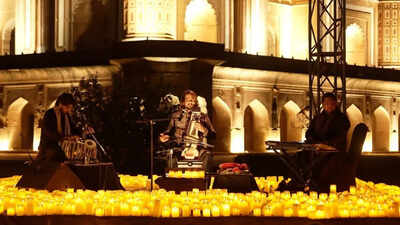
Sarangi player Nabeel Khan at a candlelight concert at Safdarjung’s Tomb
Delhi has always found its rhythm within its ruins. From Mughal grandeur to Sultanate tombs, heritage sites that were once just tourist attractions now reverberate with Sufi mehfils and the rhythmic tinkling of ghungroos from dance recitals. Festivals held at these monuments reflect a more immersive way of experiencing heritage in the capital.
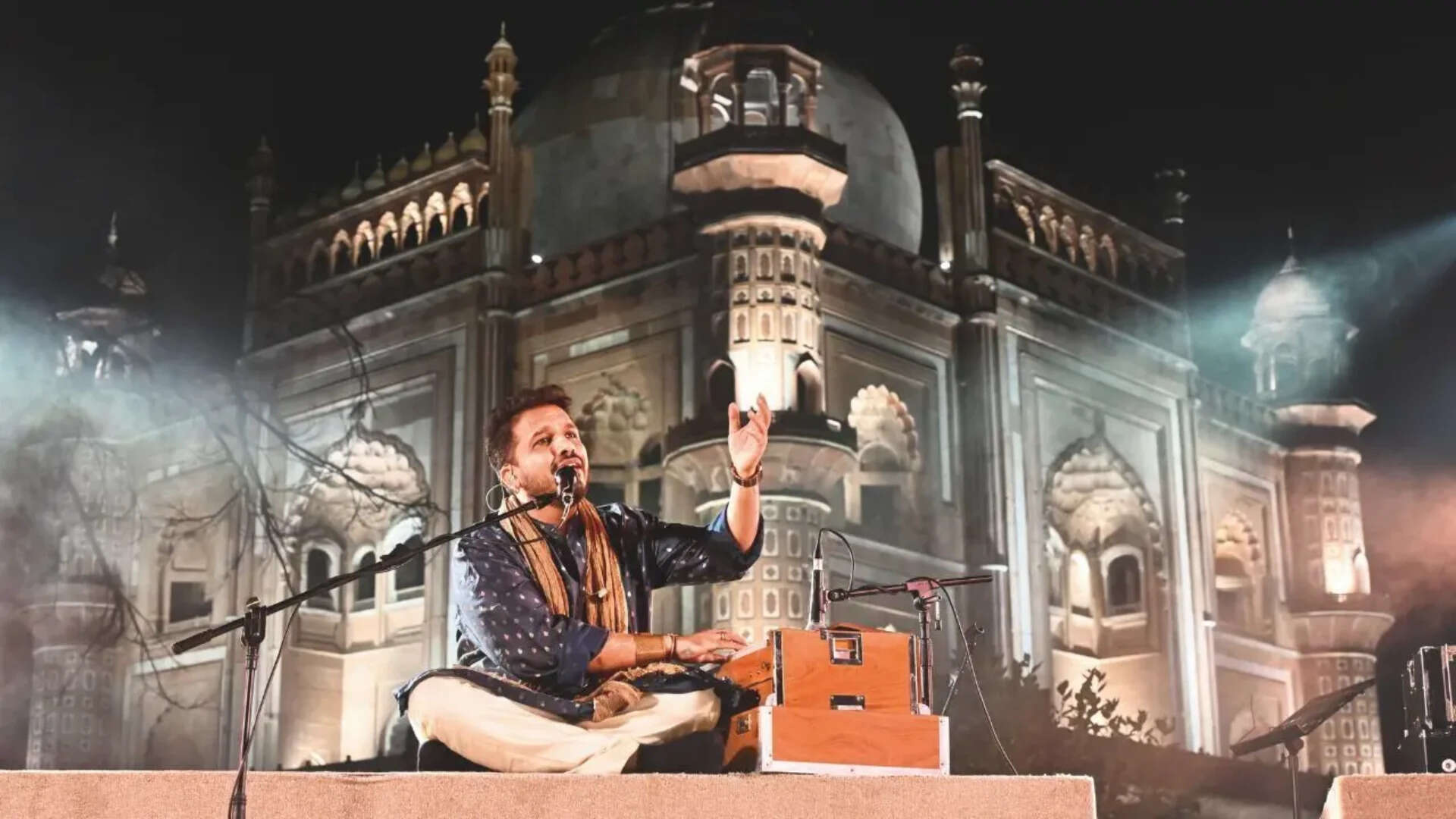
A crowd favorite for his Bandish Bandits Season 2 compositions, Prithvi Gandharv performed at Safdarjung’s Tomb last year
‘Heritage is more than a backdrop’Heritage is more than just a backdrop for events. Music may draw attention, but the monuments tell their own stories. “The setting makes the music feel more intimate and meaningful, while the music brings renewed attention to heritage spaces. Together, they help reposition these venues as living cultural spaces,” explains Pranjal Begwani, Team Lead at an intimate concert firm, who has hosted events at venues like Purana Qila, Safdarjung’s Tomb and Sunder Nursery. These events not only promote heritage but also encourage people to visit monuments and understand them better. “Digital platforms inevitably flatten sensation – you can’t feel the acoustics of a 12th-century monument through a reel,” says Simar Malhotra, founder of a firm dedicated to promoting heritage, which organizes Songs of the Stone, a musical heritage evening.Last year, Vivek Aggarwal, Secretary in the Ministry of Culture, spoke about the role of corporate partnerships in planning cultural events, supporting musicians and contributing to the restoration of heritage sites. He said, “We have been discussing this for a long time with our ASI officials – that if the kind of work done at the Red Fort could also happen at other monuments and heritage sites, we could create a cultural calendar for our people and attract more youngsters to these spaces.“
There is a need to respect the space both emotionally and physically – by understanding the responsibility of performing in such a setting and ensuring it is preserved, not used merely as a prop.
Manjari Chaturvedi, Sufi kathak dancer
Considerable care and respect is necessaryPreserving monuments remains at the heart of such events. Ratish Nanda, CEO of the Aga Khan Trust for Culture (AKTC), which manages Sunder Nursery, says, “Sunder Nursery lies within the buffer zone of a World Heritage Site, and the amphitheater has been constructed on land that is neither protected nor under the ASI. It was built only after thorough research and excavation, ensuring that no historical or archaeological remains would be disturbed, and all events are held within this designated area.” He adds that less-frequented monuments like Tughlaqabad Fort need to be prioritized to draw visitors so that heritage, too, benefits.
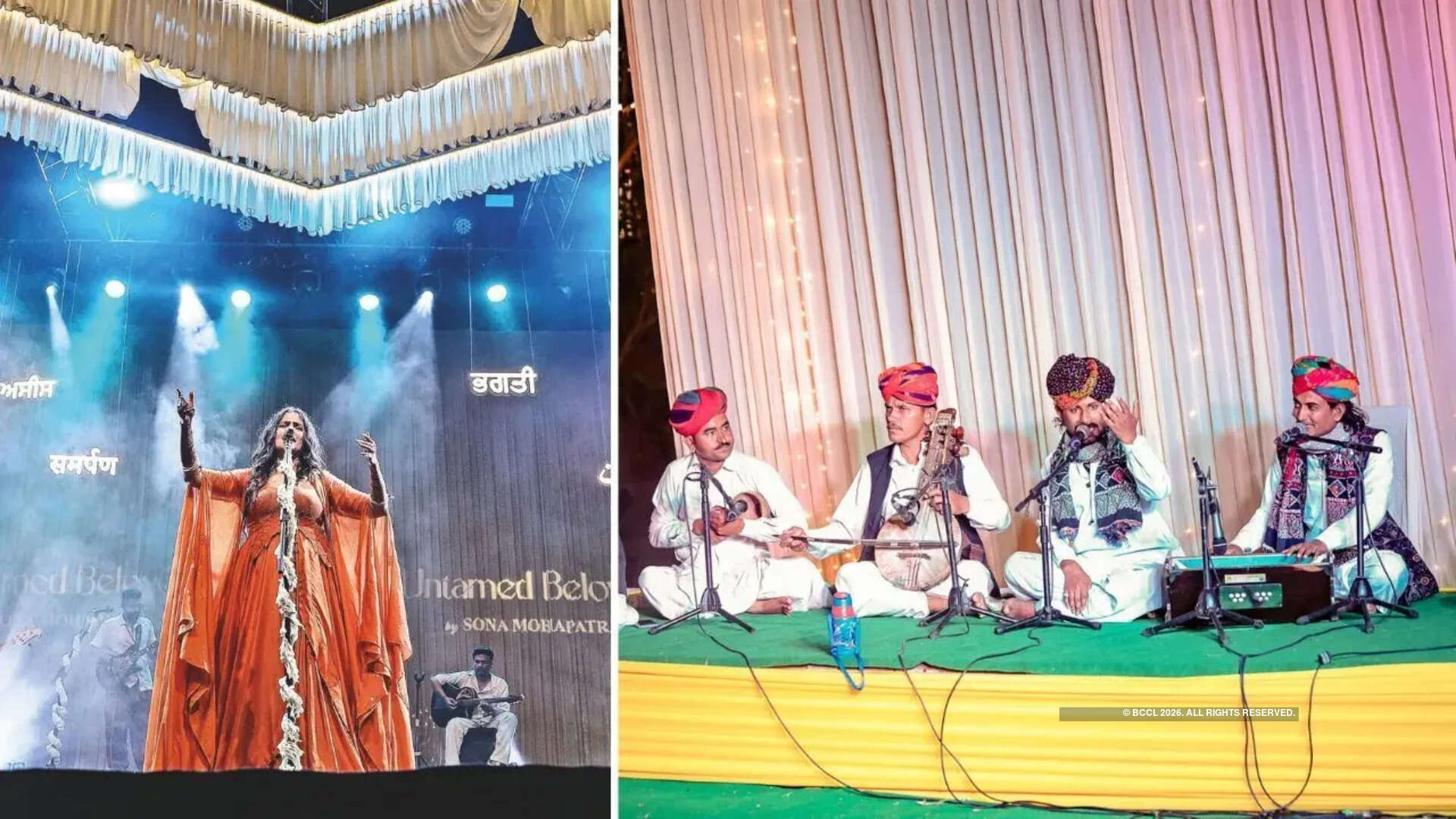
Events at Sunder Nursery range from grand setups for Jahan-e-Khusrau (L) and modest folk performances (R)
‘The stones have embedded stories’Manjari Chaturvedi has performed at heritage sites ranging from Purana Qila and Qutub Minar to Bara Dari and Fatehpur Sikri. Sharing her emotional connection as an artist, she says, “A heritage monument has its own histories and stories, embedded in the stones for centuries. Music brings it out. When we perform these ancient art forms in such spaces, the experience multiplies for the audience.”
Heritage gives art a sense of continuity. It anchors contemporary expression in a deeper civilizational memory, allowing audiences to experience culture… Jahan-e-Khusrau does more than present music. It restores a cultural continuum.
Meera Ali, curator of Jahan-e-Khusrau
‘People want to engage with heritage’Simar notes a shift in how people engage with heritage. “People are moving away from engaging with heritage academically or intellectually, and are increasingly wanting to feel it. Curated experiences like ours meet people exactly there, in that emotional, intimate register.”Pranjal shares insights from the post-experience survey conducted by the concert firm: “About 66% of attendees in India said ambiance plays a key role, which shows how strongly the setting shapes the connection with music. With 83% of attendees in India being first-time Candlelight visitors, the format acts as a gateway, drawing in new audiences who then experience historic venues in a fresh, emotionally engaging context.“
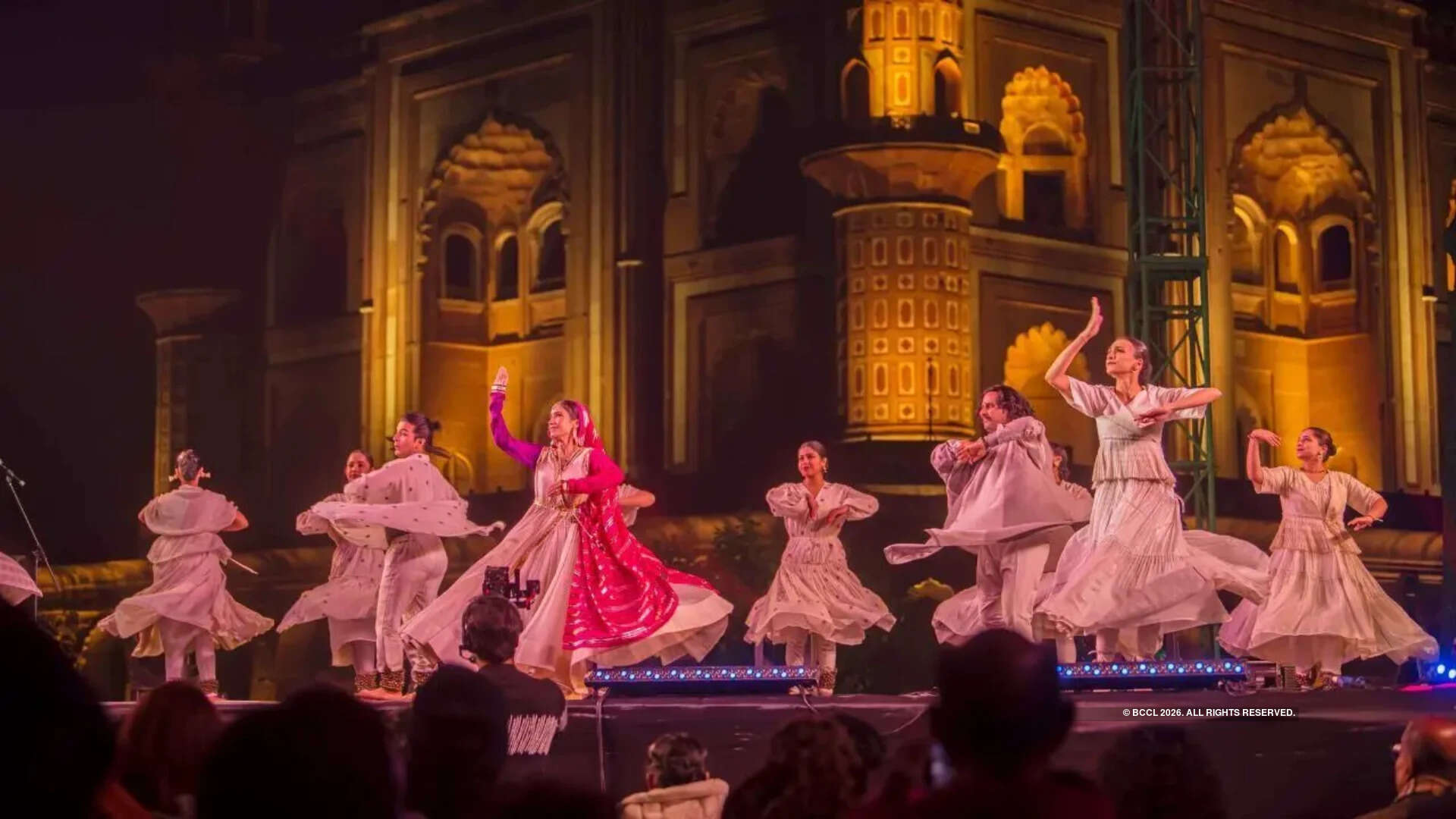
Dastaan-e-Kathak celebrated music and dance at Safdarjung’s Tomb recently
From preservation to active cultural engagementSabhyata Foundation, which actively works on preserving heritage, often hosts music and dance events as well. Harman Sawhney, General Manager of Events and Experiences, notes, “These events shift the narrative – from preservation alone to active cultural relevance… It’s a sustainable way of building cultural awareness. When someone attends a concert or performance at a monument, they often return with a deeper curiosity about its history.“
About the Author

Previous Post
Next Post