


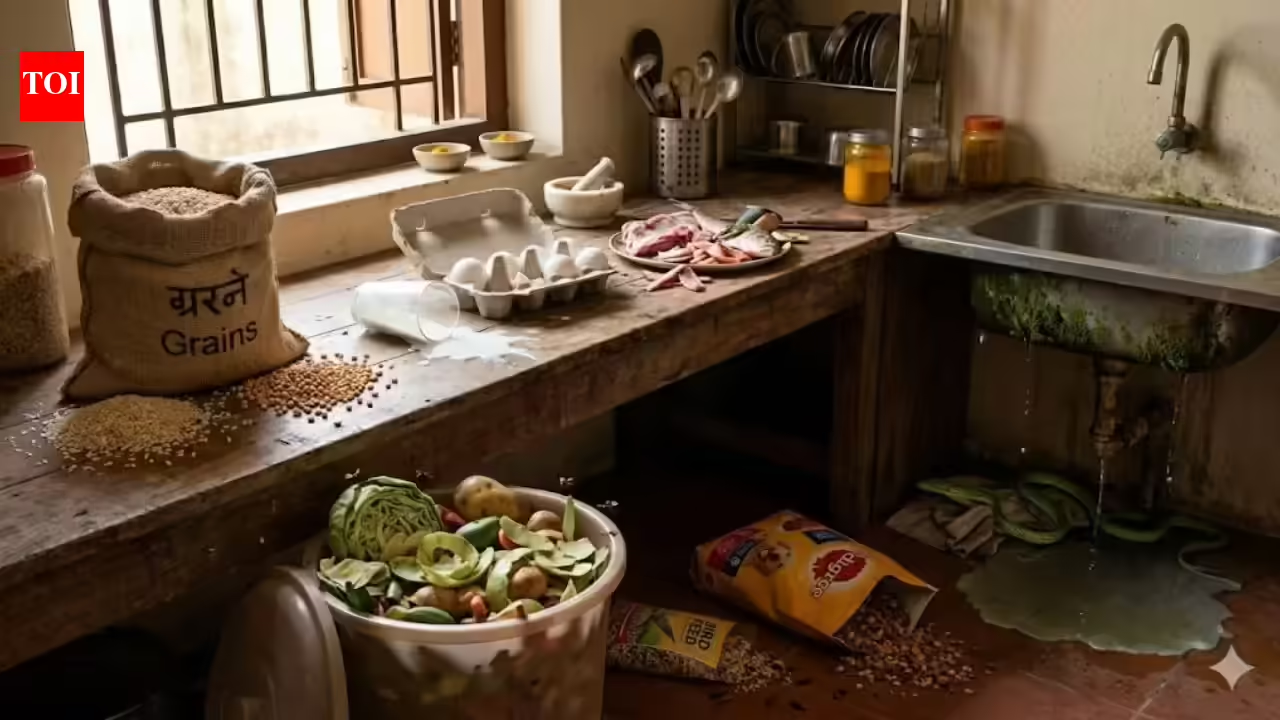
Snakes are not drawn to kitchens specifically for feeding purposes; certain environmental conditions do influence their behavior, like the availability of prey, water, and places for concealment. Kitchens are likely to offer these conditions whenever there is open food or improperly disposed of garbage. Rodents and insects, which tend to populate these conditions, play the role of drawing snakes.Moisture and debris-laden places also facilitate the occurrence of snakes. In hotter times of the year, as well as during monsoon seasons, these characteristics are bound to emerge frequently. Thus, routine kitchen activities may contribute to an environment conducive to the presence of snakes in the vicinity of one’s home.
Common kitchen items that can attract snakes
There are kitchen objects that would not directly attract snakes but create conditions where the snakes will live comfortably. This is due to the food bits, wrong storage practices, and moisture formation that create an ideal habitat for rodents and insects, which are the primary diet sources for snakes.Such an environment acts as a major contributor to the increased snake population in domestic areas.
1. Open grains and cereals
Rodents like rats and mice are drawn to uncovered rice, wheat, and pulses and constitute a large part of the snakes’ diet.
2. Vegetable peels and food waste
Kitchen waste draws insects and rodents and, therefore, indirectly increases the probability of snakes being attracted to the area.
3. Eggs and dairy products
Eggs and dairy products become an odor attractor for snakes because they tend to attract other smaller creatures.
4. Raw meat and fish scraps
When meat and fish start emitting odors, they act as pests and rodents’ bait, which indirectly attracts snakes.
5. Pet food and bird feed kept in the kitchen
Unprotected pet and bird food kept in the kitchen attracts rodents, which in turn attract snakes.
6. Damp areas and leaking water near sinks
Humidity provided by leaks from pipes creates favorable conditions for the resting and hiding of snakes.
Why do these kitchen items attract snakes?
A scientific study, “Patterns of habitat use and behaviors by Gray Ratsnakes”, published in Herpetological Conservation and Biology, supports that Snakes are mainly enticed by their food sources, moisture, and shelters instead of actual food products. The kitchen becomes an excellent source of these elements if poor hygiene and food storage practices exist.The presence of decomposing food invites insects, and the insects attract rats, forming a series of events that invite snakes to enter. In addition, storage areas become hideouts for snakes since they blend in with the mess.Moisture in the area from the water leakages or condensation creates hydration, thus favoring the snakes’ presence.
Preventing snakes from entering through kitchen spaces
Proper storage of food should be practiced because the main source of rodent activity is food, which causes snakes to move into homes. Proper sealing of grains and other foods is helpful in ensuring that there are no available food sources for rodents.Waste management and cleaning activities help avoid insect invasion since it minimizes accumulation of organic matter. Leaks can also be avoided by drying off kitchen surfaces since moisture acts as an attractant for snakes.Leakages and cracks can be sealed to avoid snake invasions. The environment outside the house should also be well managed to minimize chances of snake invasion.