




Sometimes, it isn’t a dramatic moment that damages a child’s future, in fact, it’s the small habits that gradually create chaos. But, how can a dirty cup left on the desk lead to such a pattern? This is where the Broken Window Theory comes into play. Small signs of disorder can shape what a person starts to accept as normal over time. Here’s why you shouldn’t let your child leave their dirty cup on the desk.The chaos doesn’t take place when a child leaves the cup. It is the repetition that leads to the larger picture. Imagine you just rinsed your sink; all bright and clean. Leaving a dirty dish wouldn’t feel so neat. Ideally, to keep the area clean, you would wash the dish. But when you decide to leave it there, more dishes pile up, and that leads to a pile of dirty dishes!
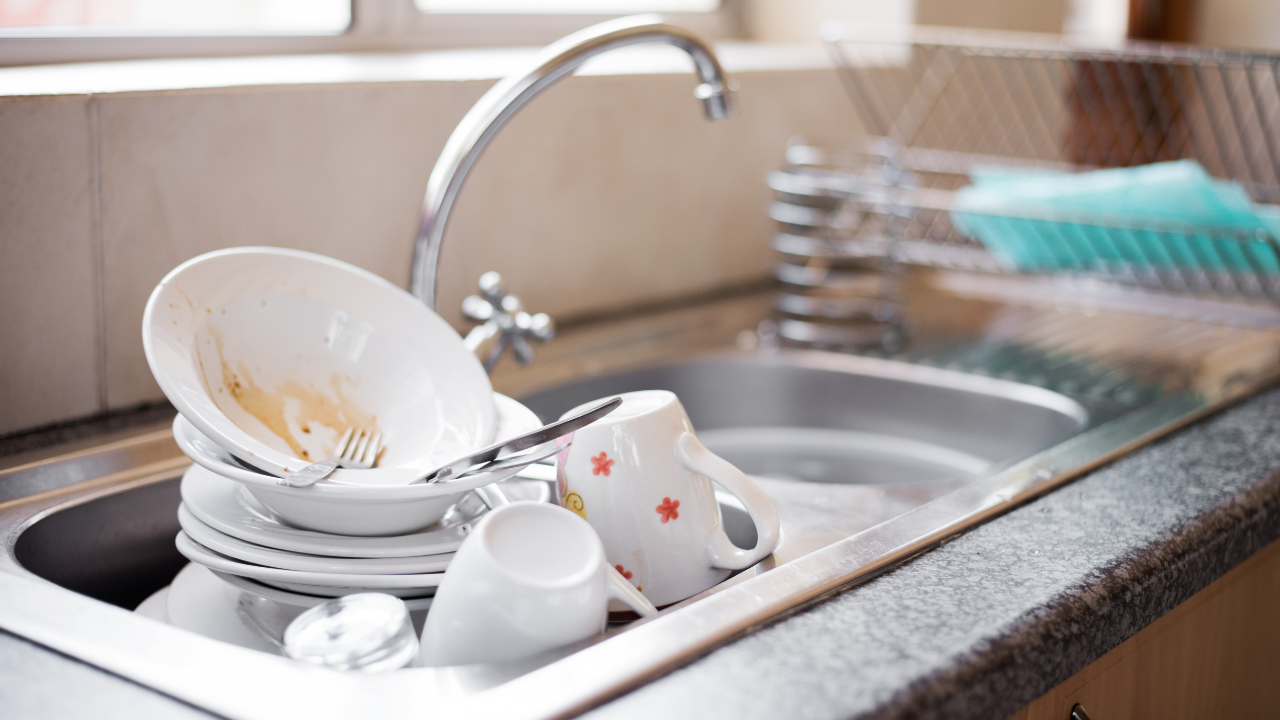
In other words, when small disorder is ignored, larger chaos follows. It may sound overly dramatic, but psychology has already proven this.
What does the Broken Window Theory say?
This theory is originally developed in social psychology and criminology, however, the patterns and message it suggests resonates with our daily life. The Broken Windows Theory suggests that visible signs of disorder in an environment can influence how people behave within it.This does not just apply to children but to all of us. Small habits eventually make a personality and hence a gentle correction in the beginning can have a positive impact in future.
How the theory relates to a child’s long-term habits

The theory relates to a child when small signs of neglect are ignored. These subtly communicate that disorder is acceptable, which can encourage more disorder over time. One messy cup isn’t causing the problem, but it is making a way for it. What started as procrastination, will gradually become irresponsibility and lack of discipline. In other words, when a small disorder is repeatedly overlooked, it can slowly reshape what a child accepts as normal.In essence, it isn’t about making your child keep a spotless desk. It’s making them understand that small actions lead to continuity and building these habits can help shape responsibility.