



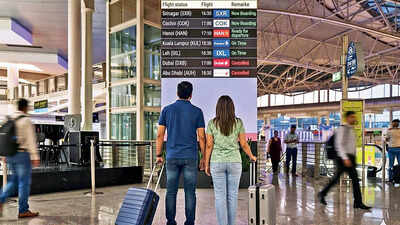
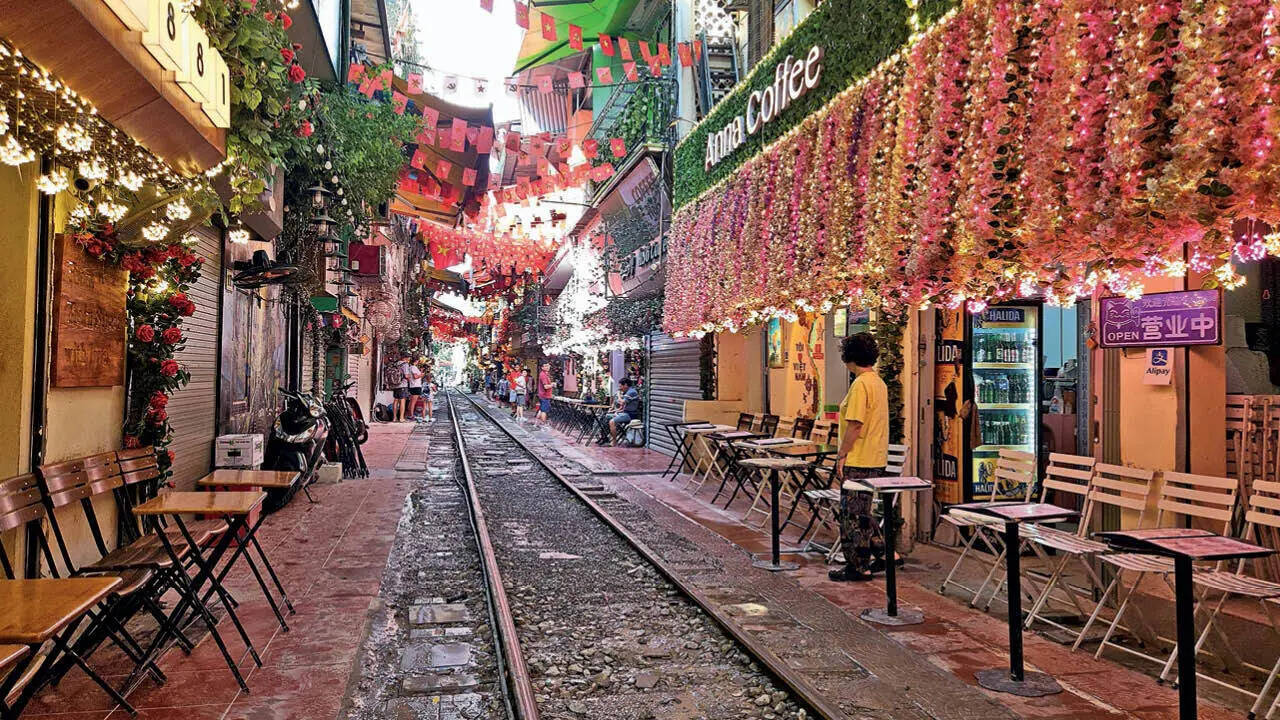
As unpredictability hovers over international trips due to the West Asia conflict and rising airfares, travelers are not canceling their plans but readjusting their itineraries. There has been a noticeable shift towards domestic destinations, while Southeast Asia remains a preferred choice this season.‘TRAVELERS ARE BECOMING MORE FLEXIBLE AND RESPONSIVE RATHER THAN STEPPING AWAY FROM TRAVEL ALTOGETHER’“With Middle East transit routes disrupted and key hubs operating under constraints, travelers are actively choosing destinations accessible via direct routes or Asian hubs, driving a 20–28% surge in demand for Bali, Thailand, Vietnam, and Japan. At the same time, Europe travel is entering a phase of uncertainty, as the International Energy Agency (IEA) flags a potential jet fuel shortage in the coming weeks, prompting travelers to either fasttrack their bookings or pause plans. altogether,” points out a spokesperson from Pickyourtrail.However, some routes are seeing a sharper impact. “The UAE, which traditionally accounted for nearly 35% of India’s outbound travel, has seen widespread cancellations. Europe, too, has been impacted due to rising airfares,” says Rajiv Mehra, General Secretary, Federation of Associations in Indian Tourism and Hospitality (FAITH). “As a result, travelers are redirecting their plans toward more cost-effective destinations such as Vietnam, Malaysia, Indonesia, Thailand, and Sri Lanka,” he adds.
Travelers are increasingly cautious about routes involving conflict zones or restricted airspaces.
Overall, travel intent remains resilient. “Domestic travel continues to remain largely unaffected, with no significant cancellations observed. For international travel, there has been a degree of reassessment, particularly for routes involving conflict-affected regions. However, the broader trend is towards rescheduling or choosing alternate destinations rather than dropping plans altogether,” says Rikant Pittie, CEO & Co-Founder, EaseMyTrip.That said, there are cancellations too, as Akash Rastogi, Director, Argosy Travels, Gurgaon, notes, “particularly for routes to Europe and North America.”Choose direct routes, keep buffer timeTravelers are increasingly cautious about routes involving conflict zones or restricted airspaces. “While most airlines are proactively rerouting flights to ensure safety, it is advisable to stay updated on airline and government advisories and opt for itineraries that minimize transit through such areas,” says Rikant Pittie. He adds that choosing direct routes, allowing buffer time between connections, and booking flexible options can help avoid disruptions.“We recommend booking refundable air tickets and choosing destinations well away from waraffected areas,” adds Akash Rastogi.

With Middle East transit routes disrupted and key hubs operating under constraints, travelers are actively choosing destinations accessible via direct routes or Asian hubs, driving a 20–28% surge in demand for Bali, Thailand, Vietnam, and Japan.
Book smart, stay flexible“Travel today comes with variables that are often beyond one’s control — whether it’s airspace restrictions, last-minute rescheduling, or unexpected disruptions. In such scenarios, adding a layer of travel protection can make a meaningful difference,” says Dev Karvat, Founder & CEO, Asego, a travel assistance and insurance provider company.A spokesperson from Scapia, a travel fintech company, advises, “Book early, don’t get fixated on the cheapest fare, and pay a little extra for refundable options. Keep an eye on travel advisories and be ready to switch destinations if needed.”Domestic destinations in demand• Kashmir• Kerala• Shillong• Leh• The Andaman & Nicobar Islands(As per Rajiv Mehra, General Secretary, Federation of Associations in Indian Tourism and Hospitality)