



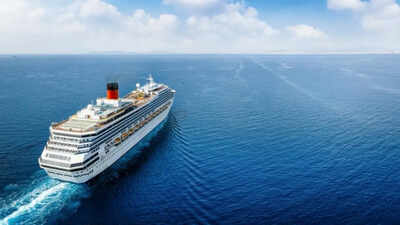
At least three people have died after a suspected hantavirus outbreak on a cruise ship crossing the Atlantic, according to the World Health Organization. One case is confirmed by lab tests; several more are under investigation. Per the BBC, this all happened on the expedition ship MV Hondius, which was traveling from Argentina toward Cape Verde when passengers started getting sick.Right now, at least one passenger is in critical condition, and others are sick enough to need urgent care. Health officials are working fast, organizing evacuations and digging into how the virus spread, hoping to contain it before things get worse.Outbreaks like this are rare, but the story is worrying enough to raise a lot of questions.What is hantavirus? How would you recognize it? And, most importantly, how do you stay safe?
Hantavirus: What is it?
Per Mayo Clinic, Hantavirus is the name for a family of viruses carried by certain rodents, often mice and rats. These animals don’t seem ill, but their urine, droppings, and saliva can pass the virus to people. The infection can hit the lungs (hantavirus pulmonary syndrome, or HPS) or the kidneys (hemorrhagic fever with renal syndrome, HFRS). HPS, in particular, can turn deadly quickly. There’s no way to sugarcoat it: hantavirus can kill, especially if it isn’t spotted early. Mortality rates run as high as 30–40%.
Where did it come from?
Hantavirus is not new. Scientists first described it near the Hantan River in South Korea decades ago, but similar viruses show up all over the world. Different rodents carry different strains, so you could come across hantavirus almost anywhere: forests, farms, even big city neighborhoods.
How does hantavirus spread?
It’s not passed easily from person to person. That’s important. Most people get sick by breathing in dust that’s contaminated with rodent urine or droppings, by touching contaminated surfaces, or, more rarely, by eating food rodents have gotten into, or through bites. There have been a few cases in South America of limited human-to-human spread, but those are uncommon. On the cruise ship, investigators think something in the environment, like contaminated rooms or supplies, was probably the culprit.
What to watch for: early symptoms of hantavirus infection
Hantavirus starts off looking a lot like the flu, which makes things tricky. In the first stage (usually 1 to 3 weeks after being exposed), you might notice:Fever and chillsmuscle achesHeadacheFatigueNausea or stomach painIf the infection gets worse, things can escalate fast. People develop:Shortness of breath- CoughingChest pain or tightnessRapid heartbeatFluid buildup in the lungsOnce it hits the lungs, it can be life-threatening. If you notice severe symptoms, especially after being in a place with rodents or after a cruise or group travel, get medical help fast.
Why is hantavirus so dangerous?
Hantavirus attacks the lungs or kidneys, sometimes both. Blood vessels start leaking, fluid fills up your lungs, and you can’t breathe. Many people need intensive care, oxygen, or a ventilator. There’s no specific cure or vaccine, so doctors have to act fast with supportive care.
How to protect yourself
Even though this outbreak happened on a ship, hantavirus could pop up almost anywhere. Your best bet is to avoid contact with rodents and keep things clean. Let’s take a look at a few practical steps:
- Keep living (and sleeping) areas free of clutter and food spills. Block any gaps or holes that let rodents inside.
- Don’t sweep or vacuum up droppings or nests; that way, you’ll send the virus into the air. Use a disinfectant spray, wear gloves, and air out rooms as you clean.
- Be careful in riskier spots: cabins, ships, warehouses, and even farm buildings. Wear protective gear if you’re cleaning out old storage or animal sheds.
- Pay attention to your body. If you get flu-like symptoms that quickly get worse, especially after possible exposure, see a doctor right away.
- Wash your hands often and avoid touching your face.