


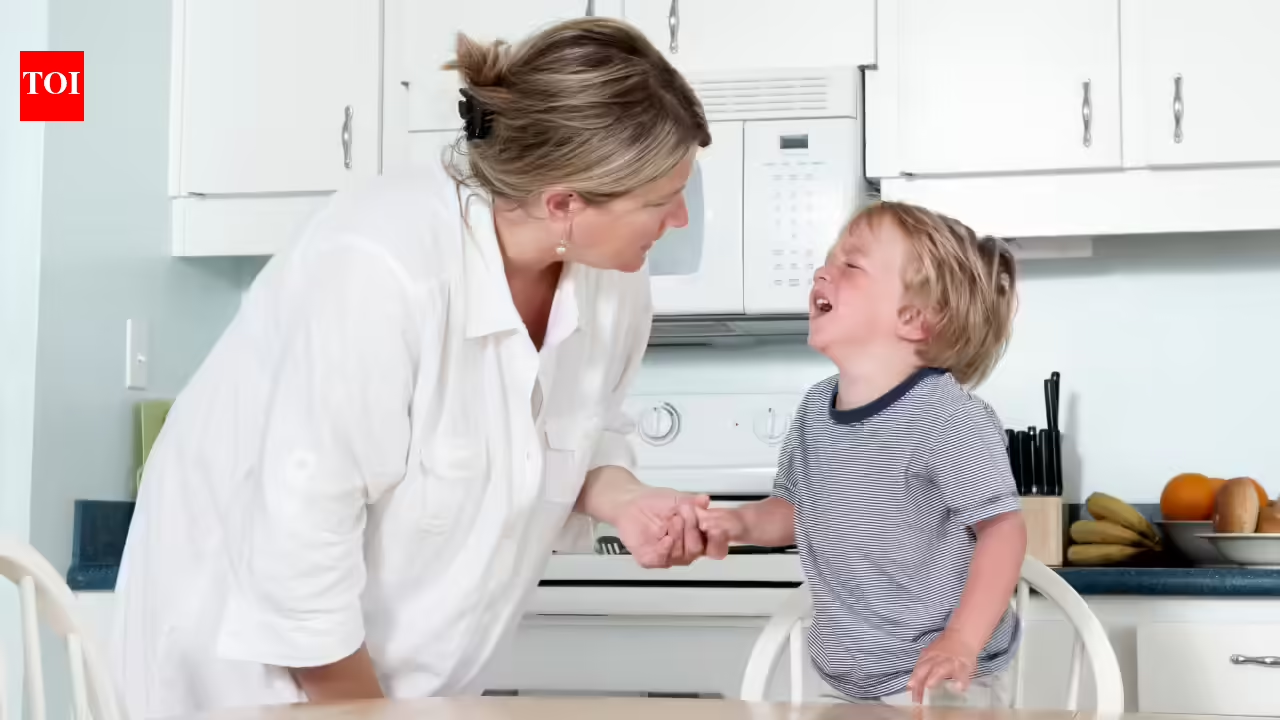
It’s an unpleasant experience for parents to see their toddlers hit them or others. Such behavior is hurtful, sometimes embarrassing, and for many parents, concerning. Parents start questioning themselves: “Why is my child being aggressive? Am I doing something wrong?” The truth is, toddlers being aggressive is far more common, and almost always, there are some common triggers behind it.
Why do toddlers hit? Here are some of the common triggers
They use “hitting” as a means to express themselves.
When emotions don’t find ways to express themselves, they splurge out at once. While adults know how to express emotions in a calmer way, toddlers don’t have that level of understanding or words to communicate. Toddlers experience big emotions such as anger, excitement, and jealousy, but they don’t know what to do with them. Since they lack emotional regulation, their feelings come out in actions instead of words.
They can’t control their impulse and get easily frustrated
The part of the brain responsible for self-control and decision-making isn’t fully developed in toddlers. This means toddlers will naturally act before thinking. So when something doesn’t go their way, they react instantly, thus hitting acts like a “reaction.”
Overstimulation, especially when environments change
You must have noticed toddlers becoming more aggressive when they are traveling or in a crowded place. It’s because busy environments can overwhelm toddlers very quickly, causing irritability and leading them to hit you.
Unmet physical needs
Sometimes, the simplest explanation is the most accurate. A toddler who is hungry, tired, or overtired is far more likely to hit. At such times what looks like a behavioral issue, may likely be a sign of natural needs. When tolerance drops, the reaction becomes more intense.
How to control toddler’s aggressive behavior:
The way to react matters more than your toddler’s action. What parents should never do is hit them back, or get aggressive in return. Reacting with similar actions complicates the situation even more. Instead parents should:
stay calm
Easier said than done, but this is the foremost step toward controlling the toddler’s aggression. When you calm down, you will see your child feel the calm presence and regulate his emotions.
Keep a straight face
Your smile works as an “encouragement” to them. Remember to never smile at them when they hit you. Take care of your facial expression and keep a straight face.
Redirect them
Instead of only telling your toddlers what not to do, show them what they should do instead. Teach them to gently stroke the skin instead of hitting. Demonstrate soft touch. And most importantly take care of their needs and help them label their emotions. So, next time you encounter such a situation with your toddler, remember these tips!