


We’ve all been there. You return back something a little late, you get hit with a fee that feels wildly out of proportion to the offense, and you spend the rest of the day muttering about it. Most of us just move on, but Reed Hastings built Netflix. Netflix’s story of how it got started is one of those rare origin stories that are actually true and, frankly, more interesting than the version most people have heard.It wasn’t just about being annoyedNow here’s the thing about the famous late fee story. It wasn’t the fee that started a billion-dollar company; it was what the fee stood for.Going to a video rental store in the late 1990s came with a whole lot of frustrations. The movie you wanted was sold out. The shop was closed at 10. You forgot to return it on time, and all of a sudden, you owed more than you paid to rent it in the first place. That whole system was based on scarcity: limited shelf space, limited hours, and penalties to keep inventory moving.Hastings’s late-fee moment mattered because it pointed to something millions of Americans already felt, but nobody had quite fixed it yet. As the study published in the journal Frontiers in Research Metrics and Analytics puts it, customers in that era were navigating a rental market built around limits rather than convenience, and the frustration was widespread, not personal.The real hero of the story? The DVDIt wasn’t the frustration that made Netflix possible. It was the disk.Then, in the late ’90s, DVDs emerged as a completely different product. They were lightweight, surprisingly durable, and most importantly, thin enough to fit in a standard mailer envelope. That sounds like a boring logistics detail, but it was everything. VHS tapes were big and fragile. You can’t mail them, on scale, realistically. DVDs? You could do that for sure.The research, Streaming Evolution: Unraveling the Transformation of Netflix Over Timehighlights exactly this point. Netflix’s founding innovation was combining DVD rentals with postal delivery, giving customers a way to receive and return movies from home with no late fees and no deadlines breathing down their necks. Add that to the increasing convenience of ordering things online, and you have the makings of a genuinely new form of business, one that could stock many more titles than any one store shelf and remove the time pressure that made renting feel stressful.
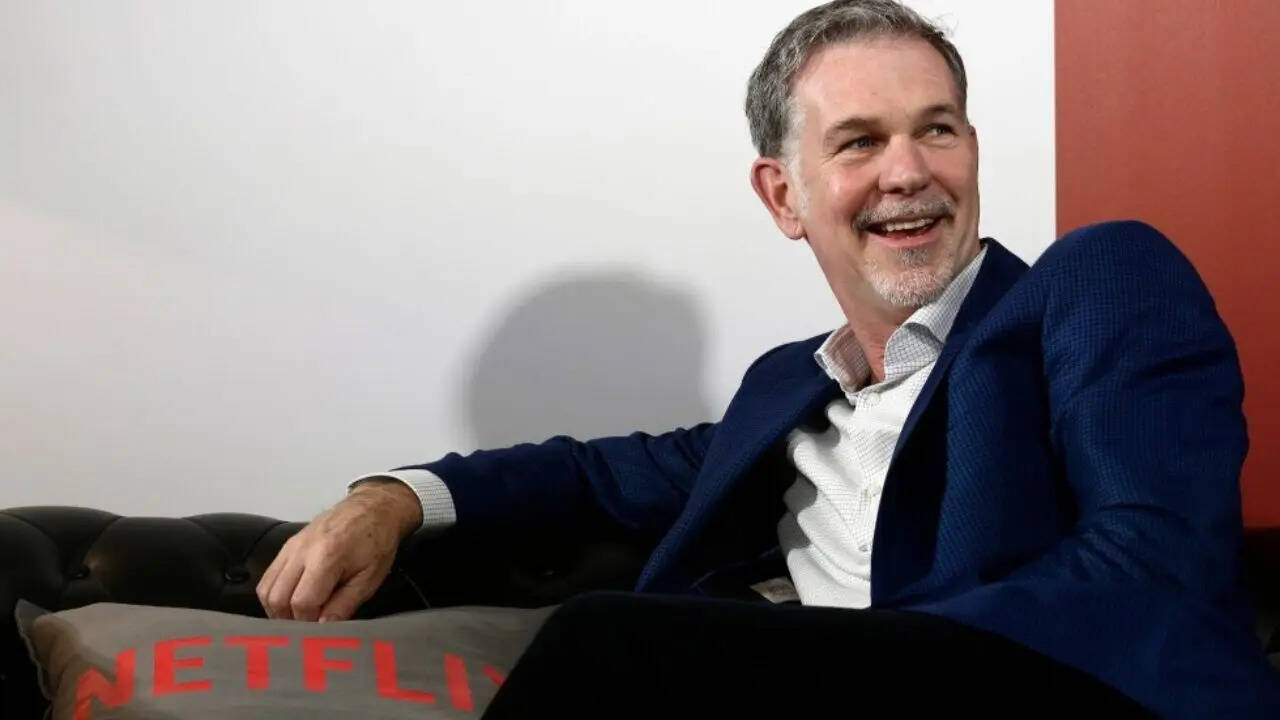
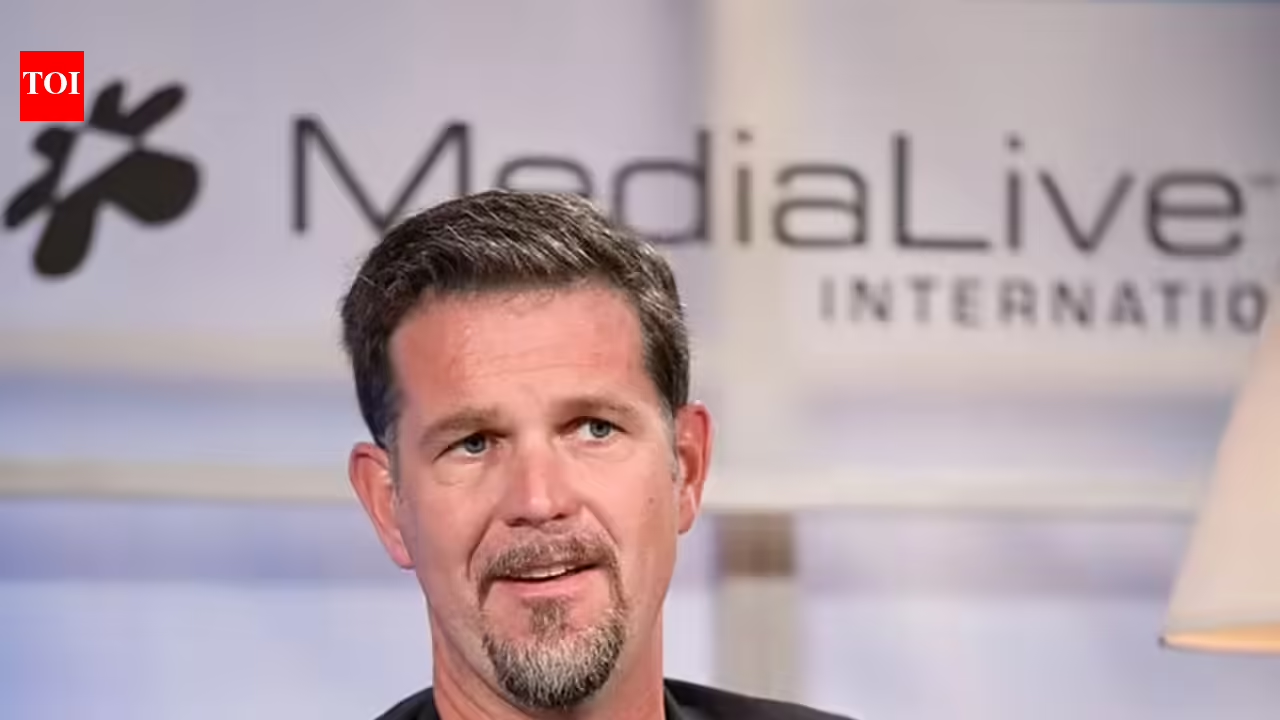
Netflix co-founder Reed Hastings, whose early insight that DVDs could be mailed directly to customers quietly dismantled an industry built on scarcity and inconvenience.
Friction was the real enemyNow consider what the old rental model costs you. Not just money, but mental energy. You had to drive over there. Hope the movie was in. Go home. Watch out. Remember to bring it back. Return it in time. If any one of those steps was wrong, it costs you.Netflix’s original model quietly dismantled most of those steps. Order online, wait until it arrives, watch it when you’re ready, and return it in the prepaid envelope. No late fee. No arbitrary deadlines. No driving anywhere. That’s how the idea worked. It wasn’t a flashy tech revolution; it was a simpler, less punishing version of what people were already doing. The friction didn’t disappear overnight, but it was reduced to a real relief.A complaint turned into a systemWhat Hastings did next is what sets him apart from all the other people who have ever complained about a late fee. He didn’t just brush it off and forget it. He saw the rental experience as a system, with identifiable weak points that could be redesigned.Hastings was thinking in terms of what could be delivered efficiently and at scale, not just what annoyed him personally. The late fee was the surface, but the business logic was much deeper. If movies could be mailed, geography, store hours, and inventory limits would matter less. The whole premise of the video store could be reversed.Why this story still hits differentFor millennials and Gen Z who grew up with Netflix, it is nearly impossible to imagine the world it replaced. Still, most of us remember video rental stores, the Friday night pilgrimage, the disappointment when a shelf was empty, maybe even a late fee or two of our own.The Netflix origin story feels real because it’s about something so relatable: a system that viewed customers as problems to be solved rather than people to be served. Reed Hastings didn’t build Netflix from a bad rental night. He built it because the time was right: DVDs could now be mailed, online ordering was second nature, and Americans were quietly sick of the old rules. The late fee just made the problem unignorable.