

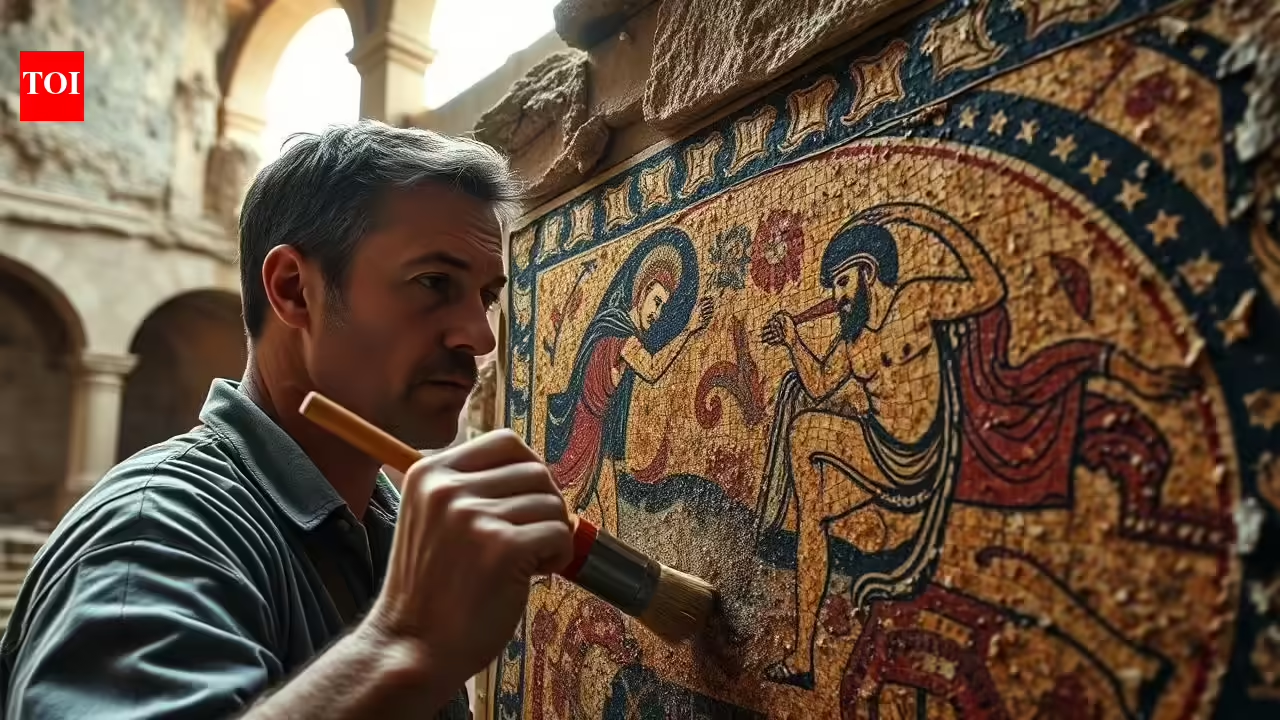
When there was a lockdown in 2020, people would step out into the open simply for some fresh air. This is exactly what Jim Irvine, an Englishman, did, right after getting some fresh air. Jim stumbled upon the land of a privately-owned farm in Rutland, and something was awry. Beneath the newly tilled earth, he found fragments of pottery and tiles, not stones.An impulse of curiosity drew Jim further, and he continued to dig. What emerged was not only some old bits but a highly complex and ancient floor structure. Without his knowledge, Jim had entered one of the most significant discoveries in the history of archeology in the UK in at least a hundred years. In the cereal fields, there were traces of the large Roman villa compound, which had been waiting for nearly 1,600 years.Discovery of a heroAs soon as the excavation process commenced, it became clear that this was a rare glimpse into the past. At the heart of the discovery was the mosaic of great dimensions, measuring 11 meters long and 7 meters wide. According to the report from Historic England, the mosaic depicted the Greek hero Achilles fighting with the Trojan prince Hector.This mosaic is considered extraordinary because it is the first of its kind ever found in the UK. While Roman mosaics are common in Britain, most feature geometric patterns or simpler myths. Finding a detailed narrative of the Trojan War suggests that the people who lived in this villa were incredibly wealthy and highly educated. As noted in the Investigations at Rutland Roman Villa study by Historic England, the room where the mosaic was found was likely a grand dining hall where the owner would show off their status and knowledge of classical literature to guests.
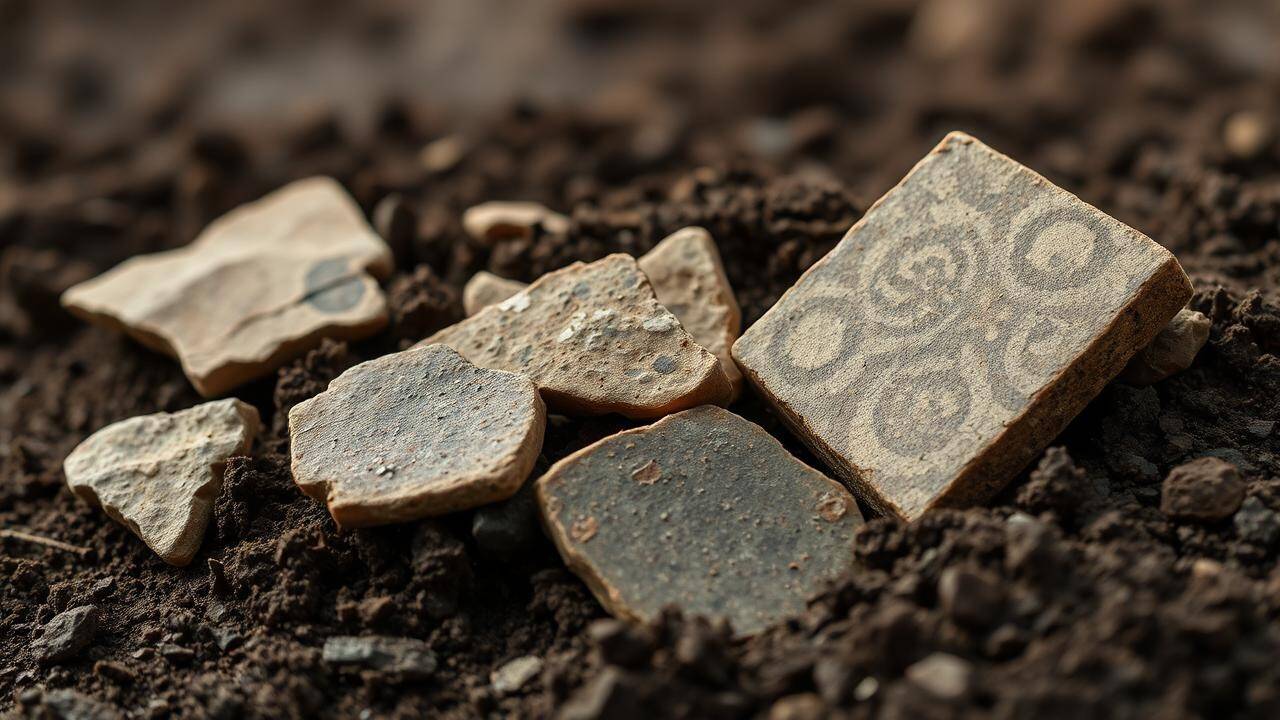
The site, now legally protected, was carefully reburied to preserve its ancient treasures for the future.
The site turned out to be even more impressive than anyone could have anticipated, developing from a couple of fragments into an entire estate with barns, round structures, and perhaps even a bathhouse. The villa provides a rare insight into the so-called “elite” society of Roman Britain in the third and fourth centuries AD – that is, a time when the Empire was at its peak, when wealthy people were living a luxurious life in the British countryside amid beautiful art depicting Greek and Roman legends.The secret is kept for the futureWhat is interesting about this discovery is how the family dealt with it. Instead of continuing to dig or attracting other people to look at the findings, the family turned to local archaeologists. As a result, a team of specialists from the University of Leicester Archaeological Services came here to use advanced geophysical equipment that made it possible to map the site without lifting a spade or exposing the ruins to any damage.The discovery eventually led the UK government to give the site official legal protection as a scheduled monument. This means the villa is now recognized as a site of national importance, on par with places like Stonehenge. To keep the mosaic safe from the elements and potential damage, the archaeologists made the decision to carefully rebury it after their initial study. While it might seem strange to cover up such a beautiful treasure, it is the best way to ensure that the 1,600-year-old artwork does not fade or crumble.The land of Rutland is today nothing more than an ordinary piece of farmland with crops gently blowing in the wind. But what remains unknown is that beneath this simple landscape lies a world of heroes and emperors. In his lockdown walk, Jim Irvine shatters the illusion that history is found in ancient books or grandiose museums. Sometimes, it is closer than one thinks, requiring a keen eye to spot the glimmering hint of color from the dirt. This is evidence that, despite all the information we possess about our world, there are still massive revelations waiting to be uncovered.