




It seems like only yesterday that listening to your favorite song required you to either have lots of patience or take risks on shady websites. It’s safe to say that back in the mid-2000s, the world of online music was an extremely messy affair. Legitimate websites had their flaws; they were slow and cumbersome, but piracy seemed faster and more convenient despite the threat of malware and legal problems.It was this specific frustration that drove a young Swedish entrepreneur named Daniel Ek to think differently. He realized that the music industry was not just fighting a legal battle. It was fighting a convenience battle. If the legal way to listen to music remained harder than the illegal way, the industry would eventually crumble. This insight became the heartbeat of what we now know as Spotify.Ek’s approach to fighting piracy was refreshingly pragmatic compared to the time. Rather than deliver another sermon about how piracy was immoral, he wanted to develop a technology so easy and quick that people would never find themselves in need to use any piracy website again. In other words, the founder believed that, as soon as legal streaming became as convenient as having all songs stored on one’s personal computer, people would prefer the former option.Moonshot to conquer the era of piracyThe path to success wasn’t an easy one. According to reutersSpotify’s CEO, Daniel Ek, turned his focus from music to European technology investments in 2006, referring to it as a kind of moonshot. The technology was under development, while instant access to buffering-free music without downloading anything onto one’s personal device was considered too risky.However, Ek was convinced that the “user experience” was the only weapon strong enough to beat piracy. He focused on speed above all else. He wanted the play button to feel like a light switch. By solving the technical lag that plagued other services, Spotify began to offer something that felt like magic. It provided the speed of an illegal download with the safety and curated feel of a premium product.
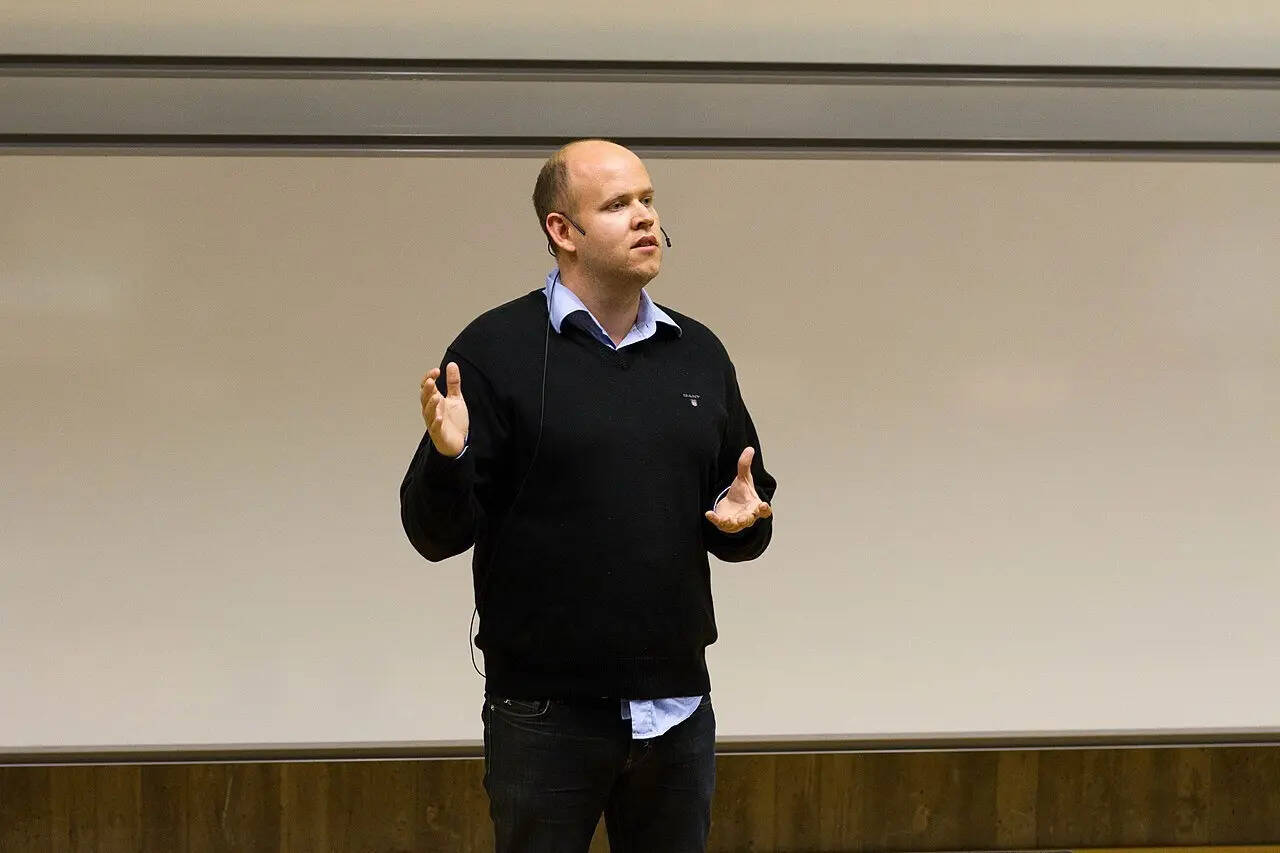
By prioritizing speed and user experience, Spotify offered a legal alternative that was faster and safer than illegal downloads, fundamentally reshaping the music industry’s revenue model. Image Credits: Patrik Ragnarsson from Linköping, via Wikimedia Commons
The transformation rewired the economic dynamics of the entire industry. Gone were the days of selling songs for one dollar each. Instead, Spotify offered unlimited access, which meant a complete reinvention of the revenue model. It came with some rocky moments along the way, but showed that when it comes to music services, consumers would happily play within the confines of legality if that legality actually served their needs.Creating something better than freeUnlike many companies that started out as little more than music stores, from the very beginning, Spotify was intended as something better than the internet had to offer. According to an article on ABC News focusing on comments made by Spotify founder Daniel Ek on that topic, the goal was simply to offer people something more alluring than illegal downloads.That’s how a small start-up in Sweden became a global power. By taking convenience seriously and making it an integral part of its product, the company attracted millions who, until then, had to search for the files they loved in the dark corners of the internet. By shifting music from something that needed to be collected to something available and accessible on tap at all times, Spotify created the industrial remix of our era.Today, it is clear that Ek succeeded precisely because he addressed a problem that plagued everyone. The company took all the frustrations we had with listening to music online and built a platform that changed the game for the better. It reminds us of the power of innovation, which often emerges out of recognizing flaws and asking ourselves what could be done to fix things and improve them. Spotify proved that it can indeed be easier to just click “play.“