


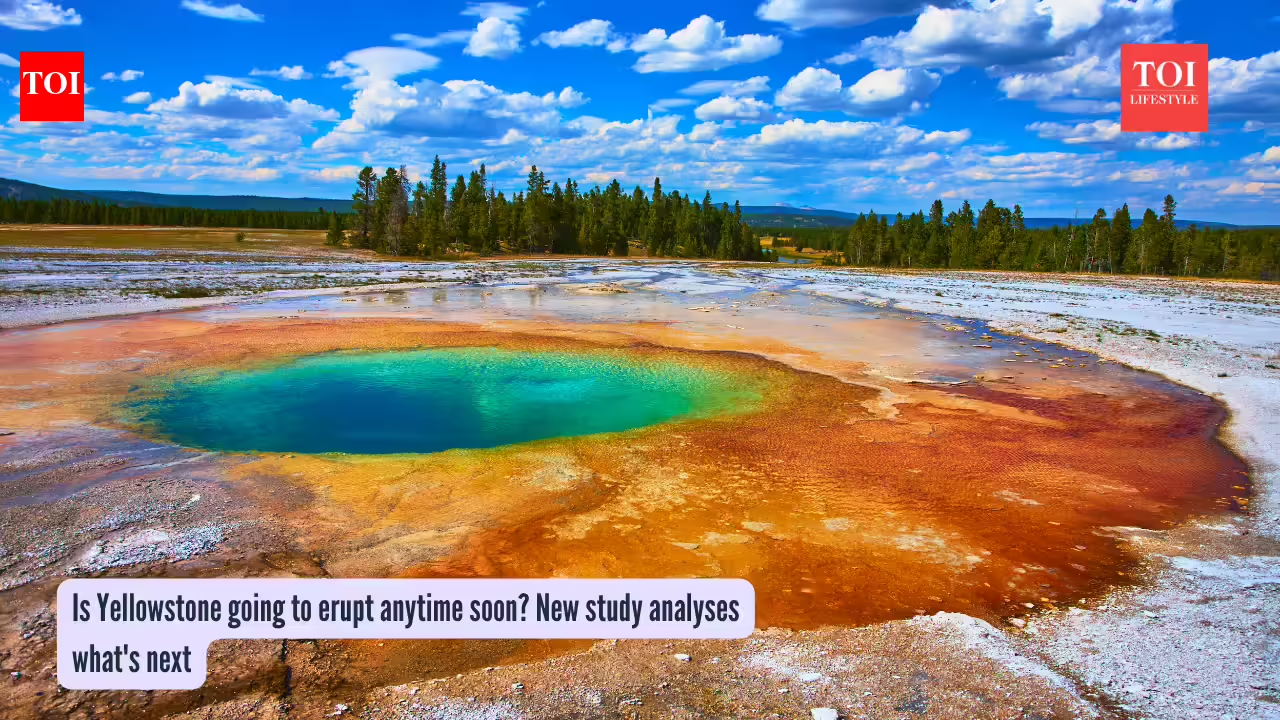
Yellowstone has long been a magnet for both surprises and anxiety. It is a geothermal wonderland of geysers and hot springs standing on top of one of the planet’s most powerful volcanic systems.Recent headlines, however, have added a new twist. A new scientific paper suggesting that magma feeding the Yellowstone Caldera may lie closer to the surface than previously thought has sparked a wave of online chatter about whether the “supervolcano” is nearing eruption.
Yellowstone National Park approaching eruption?
The latest research, published in the journal Science by geophysicists associated with the Chinese Academy of Sciences and other institutes, focuses on how supervolcanoes like Yellowstone generate and store magma. Earlier thinking pictured Yellowstone being fed by one enormous, deep magma chamber that slowly fills until pressure triggers an eruption.Instead, the new work proposes that magma collects in relatively shallow regions of the Earth’s crust, in what experts call “magma mush” zones, areas where rock is partially molten rather than fully liquid.
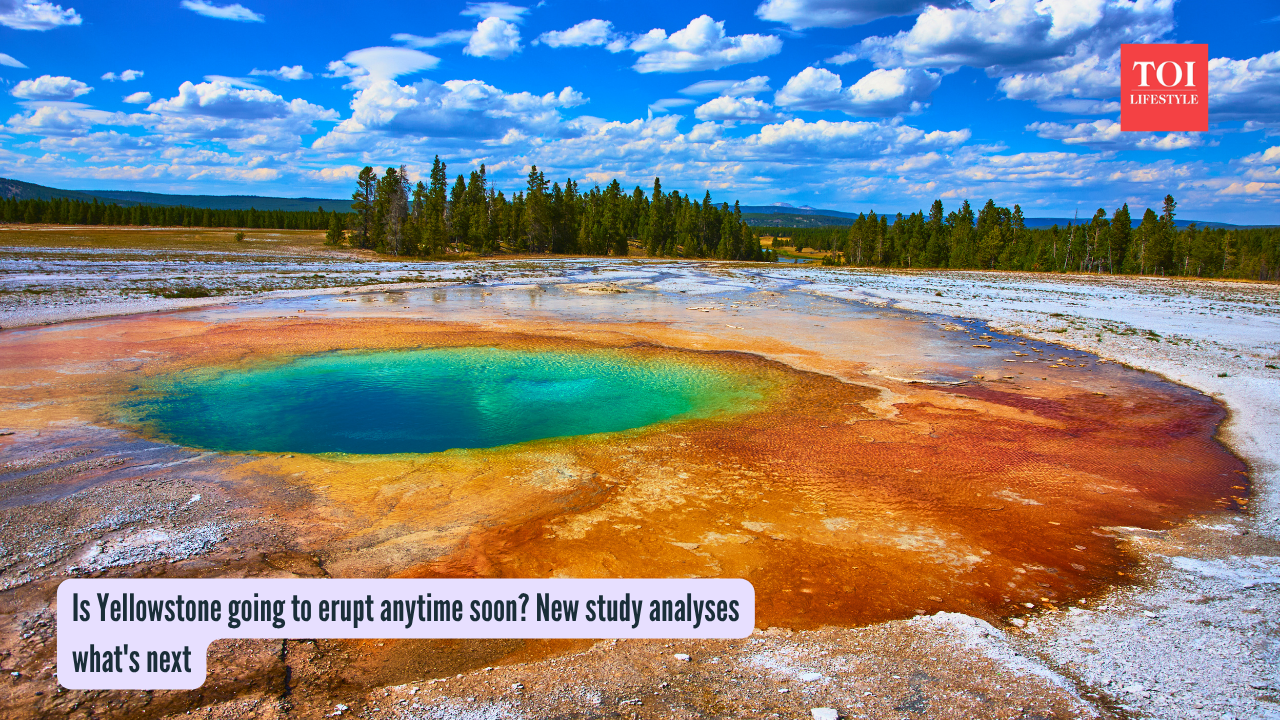
Representative Image
According to the study, “Yellowstone contains a long‑lived magma mush system that spans the lithosphere and dips toward the southwest,” meaning that molten material is more spread out rather than concentrated in a single deep tank. This could change how researchers model the buildup and release of pressure beneath the caldera over geological timescales.
What a supervolcano really is
The Yellowstone Caldera is described as a supervolcano because its past eruptions have been on a scale far larger than typical volcanoes. The United States Geological Survey (USGS) notes that the system has produced three very large explosive events in the last 2.1 million years, each capable of ejecting hundreds to thousands of cubic kilometers of ash and debris, says a BBC report.Such eruptions could severely disrupt regional and even global climate and agriculture, which is why any news about Yellowstone’s magma naturally draws attention. Nonetheless, scientists point out that the most recent major eruption at Yellowstone took place about 630,000 years ago, and since then only much smaller lava flows and steam‑driven events have occurred.
Is Yellowstone about to erupt?
Despite dramatic headlines, scientists are clear that there is no sign of an imminent eruption. The USGS says that Yellowstone’s current alert level is “NORMAL”, and the aviation color code is “GREEN”, meaning no unusual activity is being detected.But at the same time, the agency has repeatedly stated that “volcanoes do not follow predictable schedules,” and that the average gap of roughly 700,000 years between past big eruptions is not a reliable timer for the next one.