


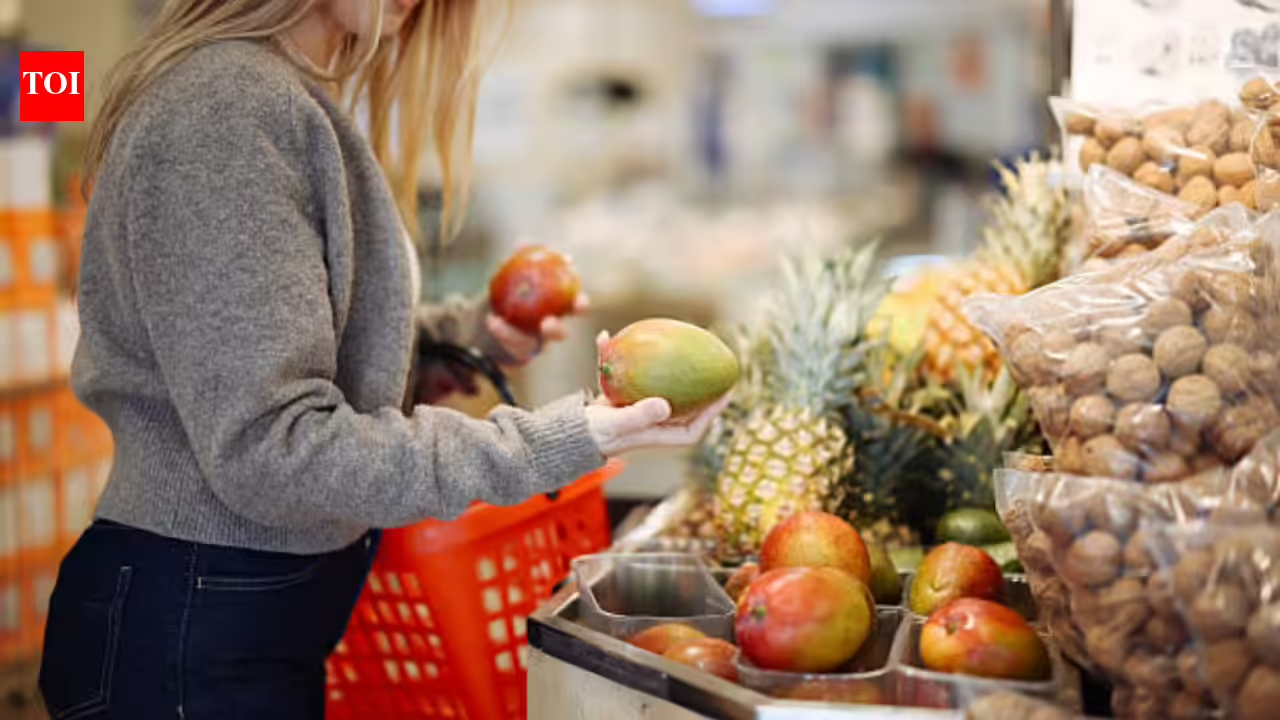
There’s a kind of madness that grips Indian Americans and a growing number of Americans every spring. They are hunting for Indian mangoes, and they’ll pay serious money to get them.Boxes of Indian mangoes priced between $50 and $60 are often sold out before they even arrive in the United States, reflecting the tight supply and seasonal demand that defines this market. For context, that’s roughly $5 to $6 per mango when you do the math on a typical box of 10 to 12 pieces. Individual varieties like Kesar mangoes retail for $56.99 USD per box, while premium Alphonso mangoes reach $65.99 USD per box, according to online retailers specializing in imported Indian fruit.These aren’t aberrations. They’re the actual prices Americans are paying right now, in the 2026 mango season. And they keep climbing. A box that typically contains 10 to 12 mangoes runs $50 to $60 this season, up from $40 to $45 last year—a jump importers attribute largely to tariff uncertainty and rising airfreight costs.
Why is it so expensive?
According to USDA Economic Research Service analysis, the wholesale price of Indian mangoes includes component costs like the Indian farm cost accounting for less than 7%, irradiation costs at nearly 2%, and inspection costs are 8.4% of the total cost. Air freight is almost 30% of the cost.
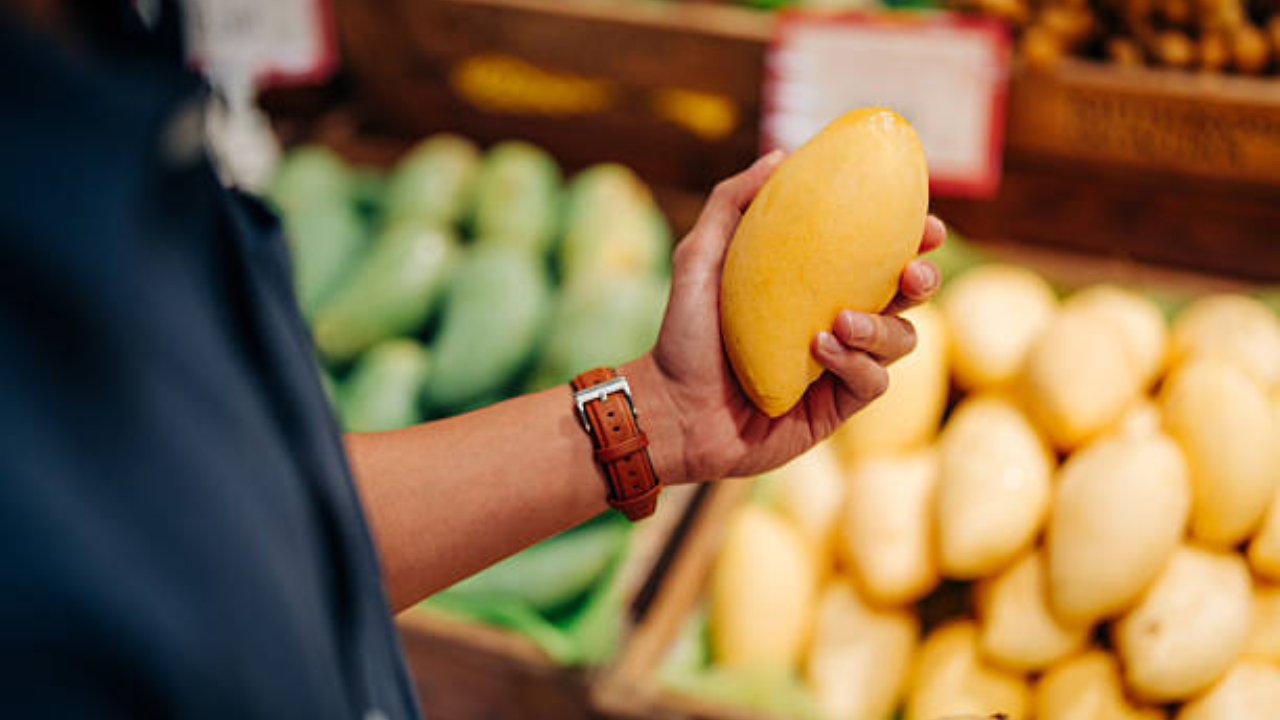
What that means in plain English: the regulatory stuff—irradiation, inspection, all the stuff that keeps pests out and food safe—only accounts for less than half the final price. The real cost drivers are shipping and retail markups. The fruit has to get here fast by air, which isn’t cheap. And once it arrives, retailers and distributors have to move it quickly before it spoils, which means high markups on a perishable product with a short window.
The historical context
It’s important to understand why this matters at all. Indian mango imports to the United States were restricted for decades because the hot-water treatment used on South American fruit destroyed the more delicate Indian varieties. The approval for gamma irradiation as an alternative treatment only came in 2006. But here’s where it gets interesting. In 2006, the issue climbed all the way to the highest levels of government. During a 2006 trip to India to meet with Prime Minister Manmohan Singh, President George W. Bush tasted a mango. He reportedly told Singh, “This is a hell of a fruit!”—a line importers still love to repeat. It sounds like a throwaway anecdote, but it wasn’t. In 2006, President George W. Bush and Indian Prime Minister Manmohan Singh agreed to work toward lifting the ban.
Despite the astronomical prices, demand keeps rising
One Virginia-based importer quoted in a WSJ report said the problem isn’t selling the mangoes, it’s that they sell out before they even arrive. Another importer noted that even his FedEx delivery driver, originally from Mexico, has switched from Mexican mangoes to Indian varieties.“Mango sells itself,” one longtime importer said, and the numbers back that up. “I paid $5 for 3 mangoes in NYC—but nothing compares to mangoes in India. I miss those bucket mango competitions with my siblings… the taste, the laughter, the memories,” writes Neeta Bhasin on Instagram. The mango she has purchased seems to be Chaunsa, a common variety, which is less than 200 INR per kilo in India.
What this actually means for your wallet
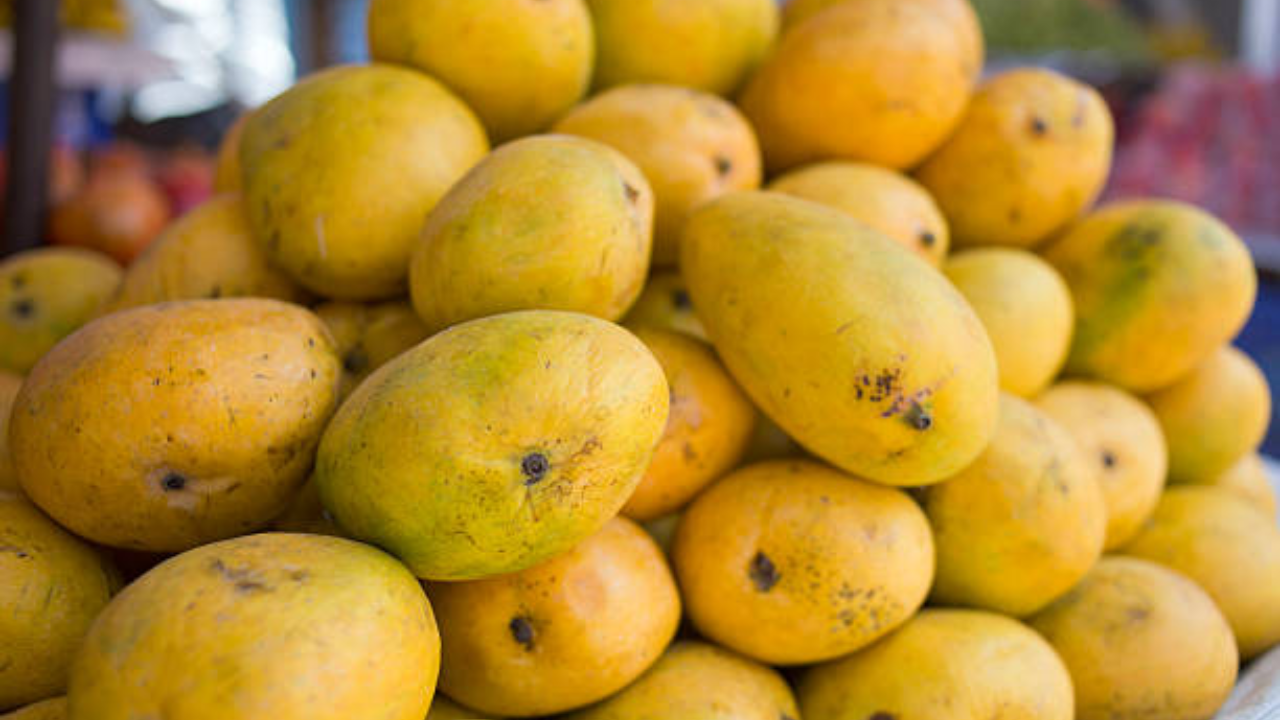
If you want to buy Indian mangoes right now, here’s what you’re looking at. A box of 10 to 12 premium Alphonso or Kesar mangoes will run you $50 to $65, delivered to your door. That breaks down to roughly $5 to $6 per mango. For comparison, a regular Mexican mango at your grocery store costs maybe a dollar.You’re paying six times as much. Maybe ten times as much. And people are doing it anyway. They’re driving to warehouses. They’re ordering online. They’re signing up for subscription boxes at a thousand dollars a hit. They’re willing to spend the money because once you’ve tasted what an Indian mango actually tastes like—that creamy, almost custard-like texture, the complex sweetness, the floral undertones—regular mangoes feel like a betrayal.