


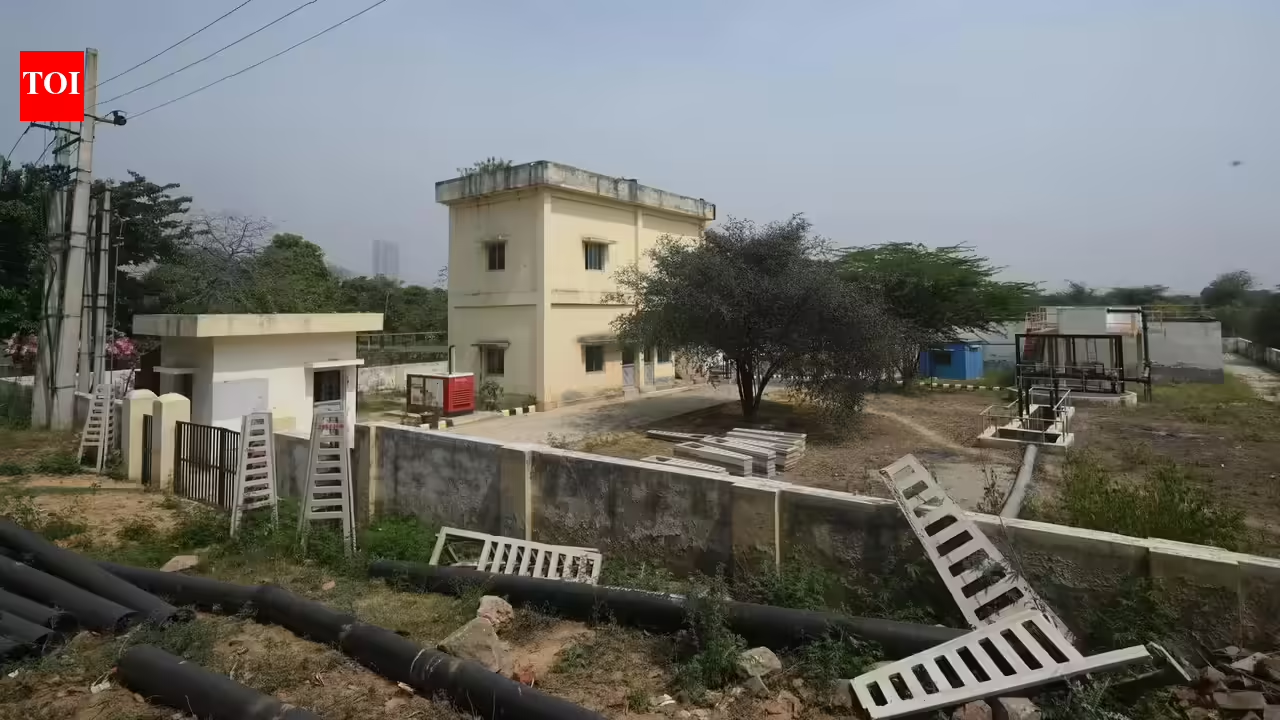
Gurgaon: A major gap in MCG’s decentralized wastewater treatment system has been revealed after 10 of the 22 micro sewage treatment plants (STPs) inspected so far by the Haryana State Pollution Control Board (HSPCB) in Gurgaon were found non-functional.The city has 44 micro STPs under MCG, set up as small, localized sewage treatment units meant to process wastewater within sectors, colonies, parks and neighborhood clusters before discharge or reuse. However, with nearly 45% of the inspected units not working, concerns are rising over untreated sewage discharge, drain pollution and the larger wastewater management framework.Regional officer of HSPCB Gurgaon, Akanksha Tanwar, said the inspection drive is aimed at assessing operational efficiency and ensuring compliance. “Out of the 22 micro STPs inspected so far, 10 were found non-functional. Necessary directions are being issued to the concerned authorities for corrective action. The remaining units will also be inspected,” she said.Micro STPs are considered crucial for Gurgaon, particularly in areas where sewer connectivity is limited or where decentralized treatment helps reduce pressure on larger sewage infrastructure. These units are intended to prevent untreated wastewater from flowing directly into stormwater drains and natural channels while also supporting treated water reuse for horticulture and landscaping.Several micro STPs are located across residential and urban pockets in the city. If these plants remain defunct, sewage may bypass treatment systems and enter local drains, worsening pollution loads in channels like Badshapur drain and the Najafgarh basin.While 12 of the inspected plants were operational, the high number of dysfunctional units has raised questions over maintenance standards, technical supervision and public spending on decentralized sewage infrastructure.HSPCB officials have repeatedly warned that micro STPs can only serve their purpose if they are regularly maintained and monitored. Mechanical faults, electricity disruptions, poor upkeep and sludge mismanagement often render them ineffective.The findings come amid Gurgaon’s ongoing challenges with groundwater depletion, drain pollution and urban infrastructure stress, making the restoration of these units critical for the city’s sewage recycling and pollution control goals.