




For years, the mid-20s were seen as a time of peak reproductive health. That assumption is now being challenged in clinics. Doctors are reporting a steady trickle of young women, just 25 or 26, being diagnosed with Premature Ovarian Failure (POF), also called early ovarian insufficiency.In Pune, fertility specialists say they are now seeing 3-4 such cases every month. That number may sound small, but it signals a deeper shift. These are not isolated incidents. They reflect a pattern tied to how modern life is reshaping women’s health earlier than expected.“Over the past few months, we have been diagnosing 3-4 young women, especially those aged 25–26, with signs of Premature Ovarian Failure. This is not something we commonly expected in this age group earlier,” said Dr Rashmi Niphadkar, Fertility Specialist, Nova IVF Fertility, Baner, Pune.
What is happening inside the body
Premature Ovarian Failure occurs when the ovaries stop working properly before the age of 40. The body produces fewer eggs, and estrogen levels drop. This disrupts not just fertility but the entire hormonal balance.Unlike menopause, this condition can behave unpredictably. Periods may come and go. Ovulation may still happen occasionally. But the overall ovarian reserve declines much faster than it should.Symptoms appear quietly. Irregular periods are usually the first sign. Then come subtle changes, hot flashes, mood swings, sleep issues, or reduced libido. Many women dismiss these as stress. That delay can cost valuable time.
Why are more young women affected now?
There is no single cause. Instead, several modern factors are working together, often silently.Stress plays a central role. Long work hours, erratic schedules, and poor sleep disrupt hormone cycles. Add to that highly processed diets, sedentary routines, and exposure to environmental toxins. The body begins to respond in ways that are not always visible at first.Medical reasons also matter. Autoimmune disorders, where the body attacks its own ovarian tissue, are one contributor. Genetics can play a role too. Treatments like chemotherapy or radiation can trigger early ovarian decline.Government-backed research also points to changing reproductive health trends. For example, the Indian Council of Medical Research (ICMR) has highlighted rising infertility concerns in India in its reports on reproductive health patterns. This mix of biology and lifestyle creates a perfect storm.
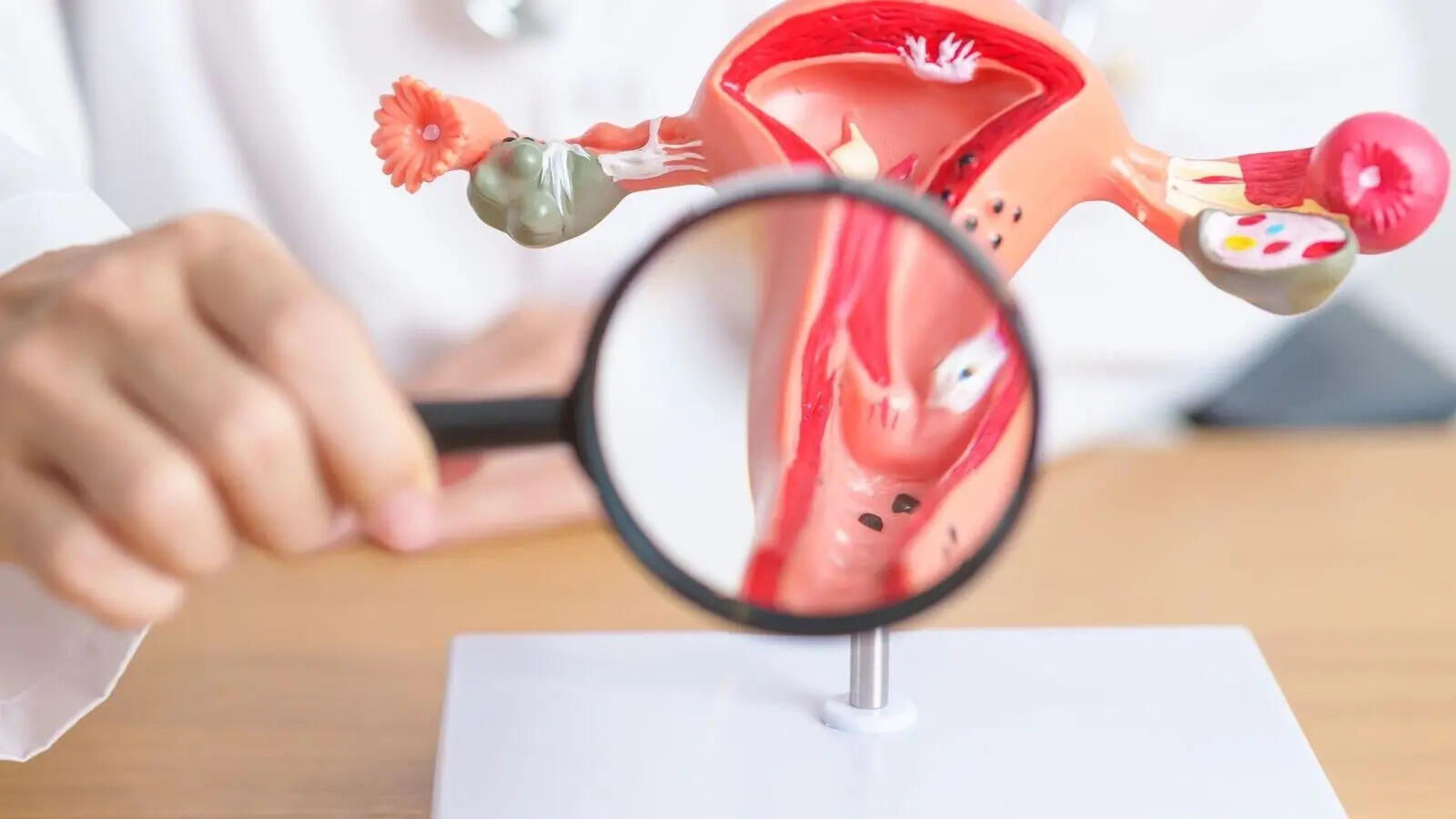
Early symptoms often go unnoticed, but timely diagnosis and care can protect both fertility and overall health.
Beyond fertility: a wider health impact
It is easy to think of POF only in terms of pregnancy. That is just one part of the story.Estrogen is not only a reproductive hormone. It protects bones, supports heart health, and stabilizes mood. When levels drop early, the effects ripple across the body.“POF is not just about fertility; it affects a woman’s entire hormonal health. Low estrogen levels can impact bone health, heart health, and mental well-being. Many young women above 20s ignore irregular periods or assume stress is the only cause. But persistent symptoms like irregular menses should never be overlooked,” said Dr Sujata Uday Rajput, Consultant – Obstetrician & Gynaecologist, Motherhood Hospitals, Lullanagar, Pune.Over time, untreated cases may increase the risk of osteoporosis, heart issues, and even anxiety or depression. That is why early recognition matters far more than most realize.
Who is most at risk, and what can be done
Certain groups face a higher risk. Women with a family history of early menopause, autoimmune diseases, or prior cancer treatments fall into this category. Those dealing with chronic stress, poor nutrition, or smoking also need to be more careful.But risk does not mean certainty. Small changes can make a difference.Regular menstrual tracking is one of the simplest tools. Any persistent irregularity should be checked. Hormone tests like AMH (Anti-Müllerian Hormone) and ultrasound scans help assess ovarian reserve early.“Premature Ovarian Failure can be emotionally distressing, especially for women who are planning a family. Early diagnosis is crucial. Tests like hormone levels, especially AMH, and ultrasound help us assess ovarian reserve. While natural conception can be challenging in such cases, options like egg freezing (if detected early), IVF with donor eggs, and hormone therapy can help manage both fertility and overall health. The key is not to delay seeking help if menstrual irregularities or symptoms appear. So, women, stay vigilant when it comes to your fertility health and seek timely help,” Dr Rashmi added.Balanced nutrition, regular movement, and consistent sleep are not just lifestyle advice. They are protective measures. Stress management is equally important, even if it sounds simple on paper.
What does it mean?
There is a growing need to change how reproductive health is viewed in the 20s. It is no longer safe to assume everything will fall into place later. The body often gives early signals. The challenge is learning to listen.This rise in early ovarian failure is not just a medical concern. It reflects how modern living is reshaping biology itself. Awareness, timely testing, and honest conversations can help women stay ahead of it.Medical experts consultedThis article includes expert inputs shared with TOI Health by:Dr Rashmi Niphadkar, Fertility Specialist, Nova IVF Fertility, Baner, Pune.Dr Sujata Uday Rajput, Consultant – Obstetrician & Gynaecologist, Motherhood Hospitals, Lullanagar, Pune.Inputs were used to highlight the rising cases of premature ovarian failure among women in their 20s, explain its early signs and underlying causes, and emphasize the importance of timely medical consultation for better reproductive and overall health.