


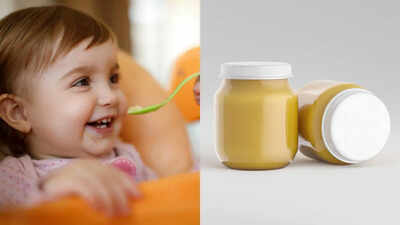
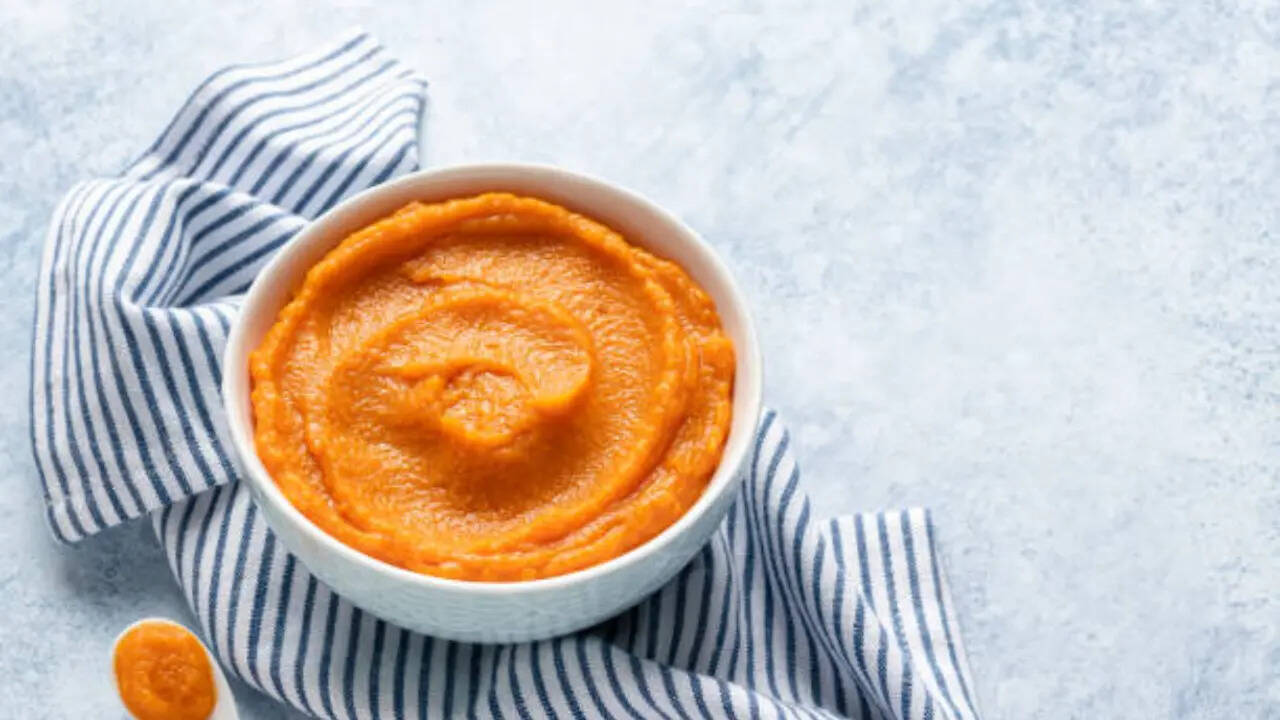
When it comes to baby food brands, we often place a lot of trust, after all, it is all about the well-being and growth of kids. In an unfortunate incident, police in Austria urged people to be vigilant of ready-to-use baby foods after a sample of HiPP baby food was found to contain rat poison, a BBC report states.According to a BBC report, published on April 19, police in the eastern region of Burgenland said a customer reported the poisoned jar of carrot and potato purée, and their baby fortunately had not consumed the food. Authorities examined a sample of the seized product on Saturday afternoon; it tested positive for rat poison after which they issued an alert for consumers and notified the brand.While police have not confirmed that the case involves an alleged extortion attempt, authorities reportedly believe at least one more poisoned jar is in circulation and have issued guidance on how to recognize tampered jars. The warning came from German investigators and tampered jars had also been seized in the Czech Republic and Slovakia.
After the news circulated, HiPP was alerted, and the brand recalled its entire range of jarred purées sold in Spar supermarkets in Austria, stating that consuming them may be potentially “life-threatening”. The company further clarified that they recalled the jars “not due to a product or quality defect on our part”, but for the safety of consumers, because the jars had left its factory in “perfect condition”. “The recall is related to a criminal act that is being investigated by the authorities,” it said on its website.As a preventive measure, all stores removed the brand’s baby food and authorities told consumers to look out for damaged or open lids, a missing safety seal, an unusual or spoiled odor, or a white sticker with a red circle on the bottom of the glass jar.Also, the Austrian Agency for Health and Food Safety warned parents whose babies had consumed the brand’s food to consult a doctor immediately.
What is the role of European Food Safety Authority (EFSA)
EFSA provides scientific advice and carries out risk assessments on a wide range of chemicals that can be present in food and feed due to food production, distribution, packaging, as well as those that might be present in the environment naturally or as a result of man-made activity. This work is carried out by EFSA’s Panel on Contaminants in the Food Chain. The Authority also collects occurrence data on contaminants in food and feed and supports the coordination of data collection and monitoring by Member States. Since contamination generally has a negative impact on the quality of food and feed and may imply a risk to human and animal health, the EU takes measures to minimize contaminants in food and feed.