

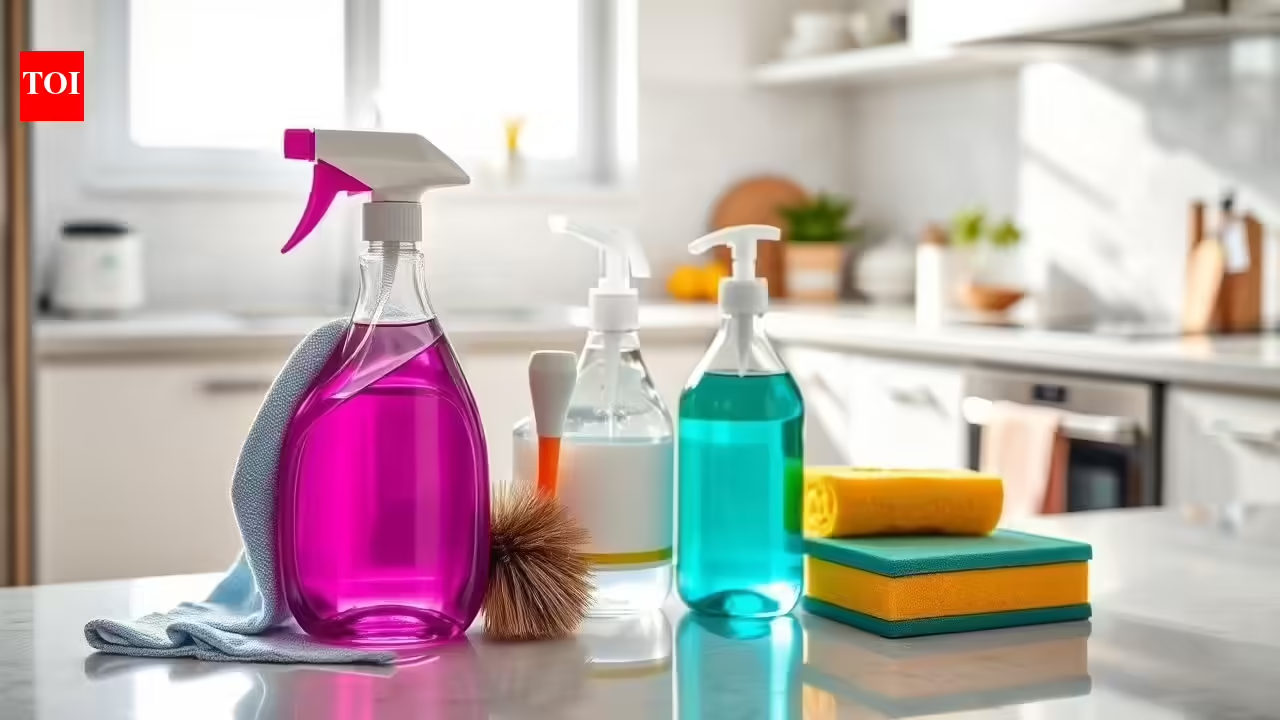
The cleaner the house is, the more secure it feels. However, many people tend to confuse cleaning, sanitisation, and disinfection, thinking that they all mean the same thing. Not quite. Each task serves a unique purpose, and knowing them will help you get things done better and easier.It is not always necessary to use harsh chemicals on all surfaces in daily life. Sometimes, however, there will be occasions where you require a higher degree of cleanliness. Understanding how different cleaning methods work will allow you to create a cleaning schedule that works for you and helps you avoid unnecessary effort.The purpose of sanitizing and disinfecting surfacesFirst of all, you should begin by cleaning. Cleaning removes dust, greasy and visible dirt. When you don’t clean, you may allow bacteria to hide beneath dirt and germs. This aspect of cleaning has been emphasized in the Centers for Disease Control and Prevention (CDC) guidelines published under When and how to clean and disinfect your home.Sanitizing reduces the number of germs to a safer level. It does not remove every microorganism, but it lowers the count enough for everyday safety. This works well for dining tables, kitchen counters, and other areas used regularly.Beyond merely cleaning, disinfection goes beyond and eliminates a wider range of bacteria; therefore, this step should be considered when there is a greater risk of infection. Examples include instances where a person has been ill recently or when dealing with meat in the kitchen.According to the article Efficacy of common disinfectants against household bacteria in the Journal of Applied Microbiology, adequate time is needed for proper disinfection. This involves leaving the disinfectant solution on the affected surface for long enough, instead of wiping it off after application.Understanding this difference will change the way that you clean. You will be able to reduce the amount of chemicals that you use, but you can still keep your home safe.When deep cleaning is necessaryEach room in your home does not have the same cleaning needs. You can sweep and sanitize most areas. There are some situations where you will need to perform a deep cleaning.Illness in the household changes the equation. High-touch areas such as door handles, switches, and bathroom fixtures need closer care. The CDC guidelines emphasize disinfecting these surfaces to limit the spread of infection.
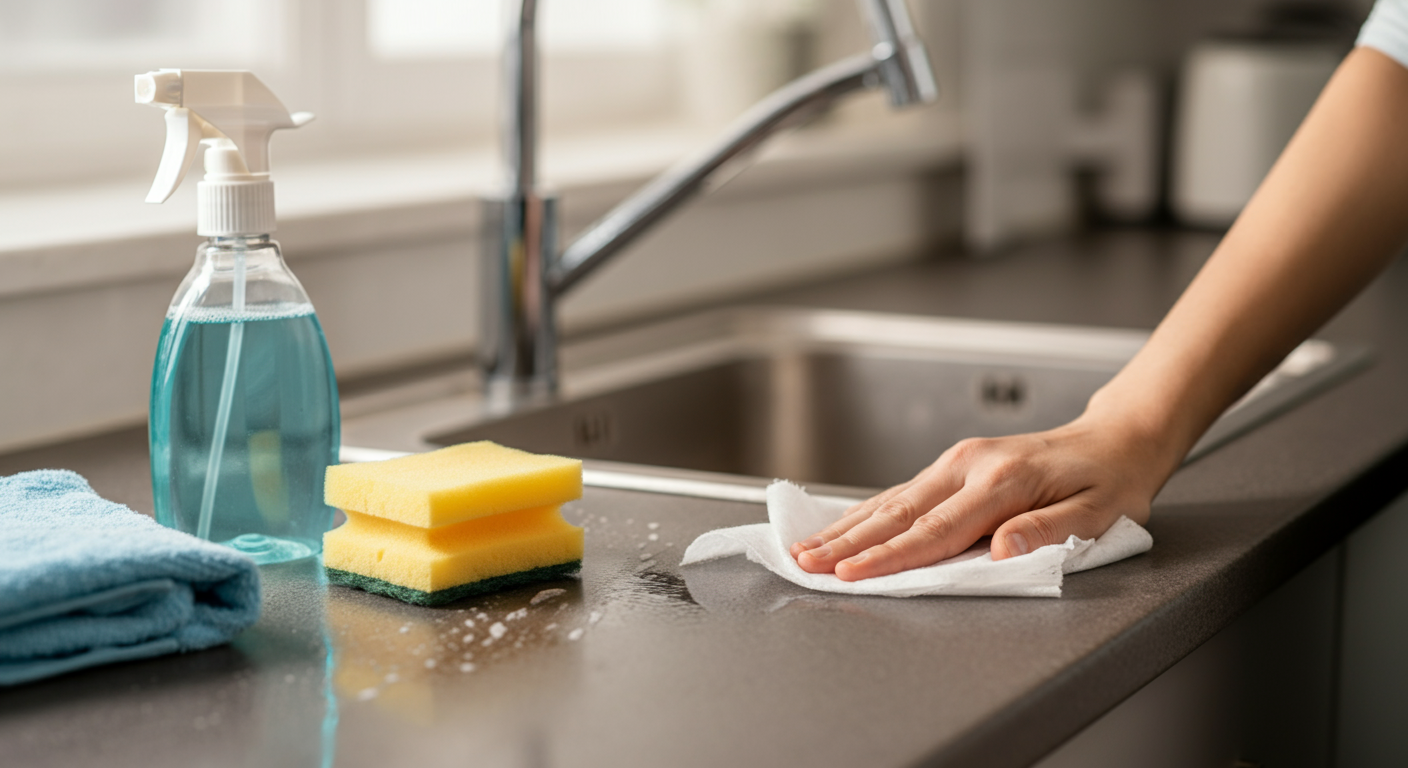
Disinfection eliminates a wider range of bacteria and is reserved for situations with a higher risk of infection, ensuring a safer and healthier living environment.
The kitchen where you cook is important. Food safety research, such as Household surface contamination and hygiene practices published in the International Journal of Food Microbiology, indicates that pathogenic bacteria from uncooked food can rapidly spread to other surfaces. It can be minimized by cleaning and sanitation, but in instances where the spread is extensive, disinfection might become necessary.There are natural alternatives for cleaning as well. Vinegar and baking soda can remove dirt and perform some sanitisation. They cannot substitute disinfection under certain conditions. This point must be kept in mind as it prevents one from having an illusion of security while encouraging moderate cleaning practices.Families are also opting to reduce their exposure to chemicals. In doing so, they mirror the findings from Household cleaning product use and indoor air quality, an Environmental Science and Technology publication. The paper shows that the use of harsh detergents may affect indoor air quality. Having a balanced approach by limiting the use of disinfectants to when needed will aid health and comfort.Easy ways to ensure safety at homeA good strategy is key to success. It starts with cleaning the house regularly using water and soap, which can get rid of many pathogens. The next step is to clean high-contact surfaces such as the dining room and kitchen countertops.It is necessary to apply strong disinfection products only when it is absolutely necessary. Harsh disinfection products can be used only when there has been sickness, spillage of uncooked food, or contamination from the outdoors.Pay attention to how products are used. Research in the American Journal of Infection Control under Effect of contact time on disinfectant efficacy shows that rushing through the process reduces effectiveness. Surfaces need to stay wet for a few minutes for disinfectants to work properly.Ventilation is crucial as well. Ensure the window panes are open, or the exhaust fans are turned on during your cleaning process. This will help eliminate toxic fumes and improve indoor air quality.Consistency rather than intensity. It is better to have consistent light cleaning and sanitisation along with focused disinfection than constant intense cleaning.Thoughtful cleaning is not simply about killing bacteria. It is also about creating an environment that is inviting, safe, and controllable. Distinguishing between disinfection and sanitisation will give you greater clarity about your options when it comes to cleaning.