



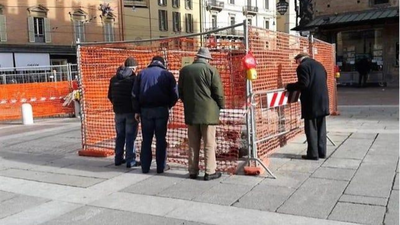
In cities across Italy, a peculiar yet amusing sight has become part of everyday urban life: elderly men standing near construction sites, hands clasped behind their backs, quietly observing the work. Known as “umarells,” these retired individuals often spend hours watching laborers, occasionally offering advice or pointing out what they believe could be done better. While they are not officially involved in the projects, their presence has become so common that it is now recognized as a cultural phenomenon, one that blends humor, curiosity, and a subtle desire to remain engaged with the world around them.
Meet Italy’s construction site watchers: The umarrells
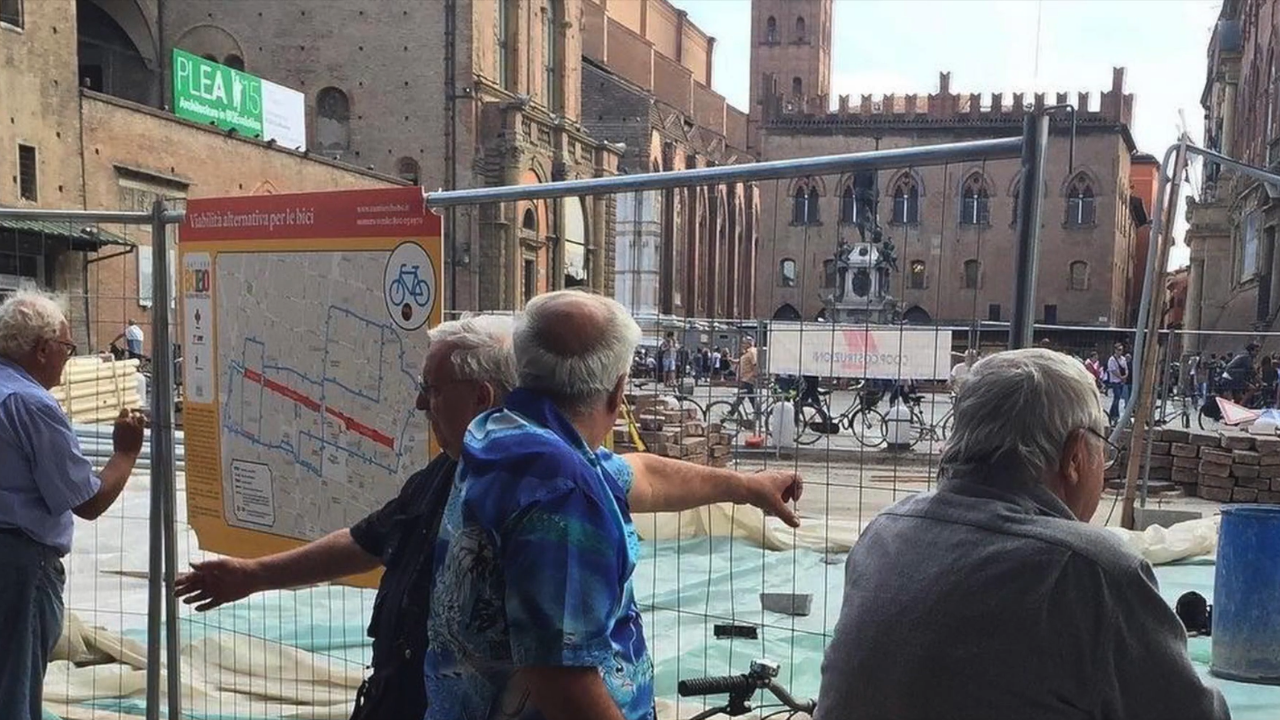
The term “umarell” originates from the Bolognese dialect word umarèl, meaning “little man.” It was popularized in the early 2000s by Italian writer Danilo Masotti, who used it to describe this distinctly familiar type of retiree. Over time, the word spread beyond Bologna and is now widely understood across Italy, even earning a place in official Italian dictionaries. Interestingly, the plural form “umarells” is often stylized with an English “-s,” adding a playful twist to the term.Umarells are most often spotted at construction sites, roadworks, or any form of public infrastructure project. Typically dressed in modest clothing, they stand at a safe distance, observing every detail of the work in progress. Their signature posture, hands clasped behind the back, has become almost symbolic. While some remain silent spectators, others engage with workers, offering suggestions or questioning decisions, often with a tone of quiet authority.For many retired men, watching a construction site is simply a way to pass the time; it is a surprisingly enjoyable little daily ritual. There is always something happening, something new to notice, and something to learn, whether it is how a project takes shape or what not to do with a shovel. It also gives them a chance to share a lifetime of experience, even if nobody exactly asked for a masterclass.
The umarrells
In a way, the umarells turn an ordinary workplace into a free front-row show, part social outing, part hobby, and part unofficial commentary booth. Watching construction work allows them to stay mentally engaged and socially connected, even if their advice is not always welcomed or required. It is less about interference and more about maintaining a role, however informal, in the rhythm of daily life.What began as a humorous stereotype has evolved into a recognized cultural symbol in Italy. The umarell is often portrayed affectionately in media, social conversations, and even local initiatives. In Bologna, a public square has been informally dedicated to them, celebrating their presence as a quirky but cherished part of city life. The term itself has transcended its origins, becoming shorthand for a very specific kind of behavior that many people instantly recognize.
When observation becomes contribution
In recent years, some municipalities have found ways to channel this behavior productively. Retired volunteers resembling umarells have been involved in monitoring public works, reporting issues, or keeping an eye on neighborhood developments. This shift highlights how a light-hearted stereotype can evolve into a form of informal civic participation, where observation turns into contribution.Ultimately, umarells represent a universal human instinct, the need to stay involved, informed, and useful.