




Large-scale infrastructure projects such as airports, expressways, and highways, and real estate development move in tandem. As connectivity improves, organizations shift to these up-and-coming well-connected corridors, creating employment and thereby generating long-term housing demand. This growth cycle has resulted in the emergence of prominent business and residential micro-markets across the country. The progress North Bengaluru has seen in recent years is in step with this trend.The development of Kempegowda International Airport has positioned North Bengaluru among the fastest-growing real estate corridors in the country. Its development has brought forth a multiplier effect, resulting in the clustering of logistics parks, warehousing, and industrial activity, thus expanding the employment base across locations. This employment activity, combined with residential demand momentum, is evident in several belts, especially the one extending from Hebbal to Yelahanka, Yelahanka to the airport, and further towards Devanahalli, Nandi Hills, and Doddaballapur. Over the next two to four years, more than 20 tech parks are expected to come up across North Bengaluru. Several are already operational in the Yelahanka belt. The region already has many global capacity centers (GCCs) and large office occupiers across key tech parks. Bhavesh Kothari, Founder & CEO of Property First Realty shares how North Bengaluru has an advantage over other areas.Besides, major investments, such as the Foxconn Manufacturing facility and the SAP Innovation Park near Devanahalli add to the region’s growing prominence as an IT destination. Land allocations of around 3000–4000 acres by the Karnataka Industrial Areas Development Board (KIADB) have also attracted global manufacturers, strengthening the region’s employment base. This is not all. Planned developments such as the aerocity project, along with the upcoming metro connectivity towards Devanahalli is expected to improve access across these micro markets in North Bengaluru and boost the region’s growth potential by strengthening linkages between employment and residential zones.
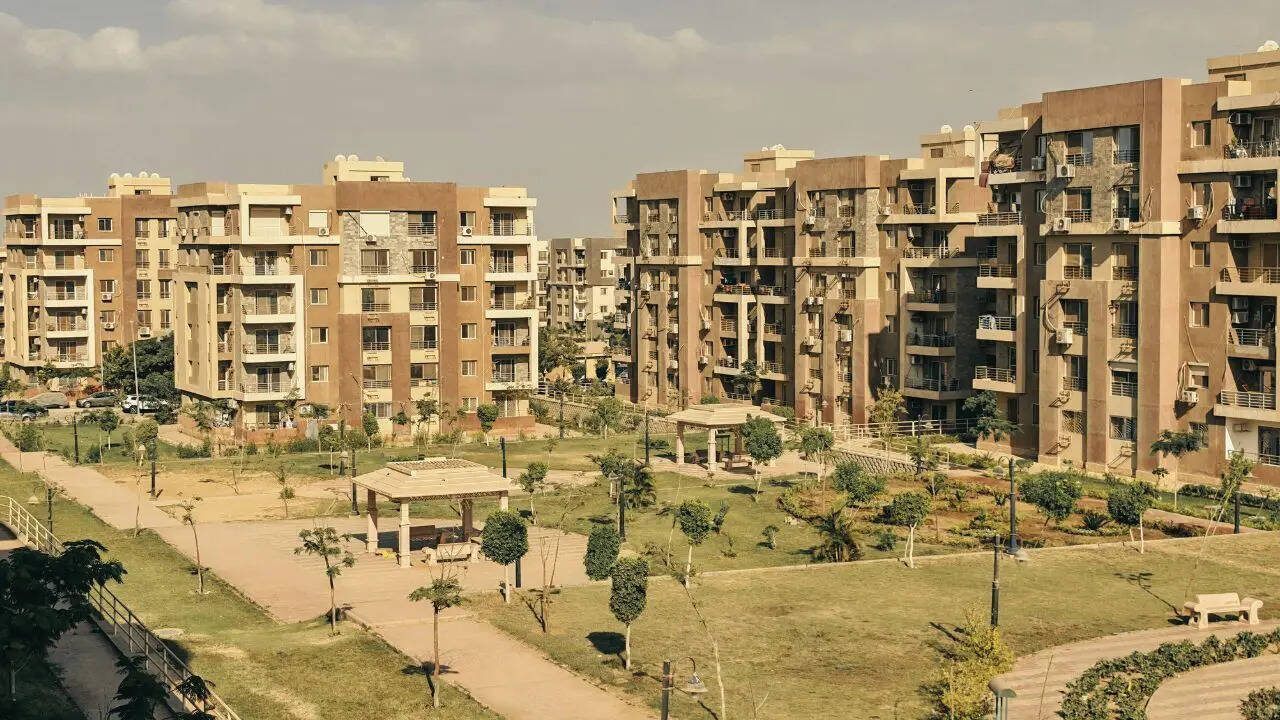
Infrastructure as a growth stimulusA number of infrastructure projects underway are set to improve access to the northern corridor. All projects are at different stages of development and have begun to influence how homebuyers and investors assess distance and connectivity. The change in pricing trends underlines the shift in perception of investors and buyers. For example, Devanahalli and Hebbal have recorded annual growth of around 15%–20% and 8%–12%, respectively, while the broader market registered 7%–9% annual growth. These variations make it clear that locations with infrastructural connectivity and proximity to employment hubs are witnessing sharper gains, with the wider region going upward. Rising interest from developers and homebuyersAvailability of sizeable land parcels and sustained buyer interest have garnered enthusiastic response from developers who are building large projects. A lot of these developments are set up as integrated townships, with homes, stores, and open spaces. The price spanning 70L to 5 Crores is flexible enough to appeal to different income groups, including end-users, investors, and non-resident buyers. Besides 5% rental growth, rental demand, driven by office, airport, and industrial workforce, is also increasing. Although capital values have gone up by 6%–7% annually, they are comparatively lower than those in central areas. The favorable price-rent equation means that the upfront cost of buying a house to rent it out is lower than the cost of a comparable-sized house in central Bengaluru. This gap helps buyers reap profit even when the rent is lower in absolute terms. Overall, North Bengaluru sees 3% to 5% rental yields, bringing in income stability and long-term appreciation.Micro-markets in Central Bengaluru still lead in terms of pricing, but they are more likely to reach maturity, thus limiting further appreciation. Within this context, North Bengaluru. is scaling rapidly as a high-growth corridor, and presents promising homebuying & investment options owing to its airport-led and transit development-driven progress. In the next four to five years, the value and returns offered by commercial and residential assets in North Bengaluru may inch closer to those delivered by properties in Central and East Bengaluru, which makes it a lucrative and fairly more affordable region for investment at present.