


For most rental tenants in Indian cities, summer arrives with a familiar problem. They have to endure uncomfortably hot indoor environments and cooling appliances are forced to run longer. While they might not be able to change the fixed structural elements or have tight renovation budgets, the thermal comfort and overall experience of a rented home can be meaningfully improved through low cost interventions that most people overlook. A lot of homes during the peak summer in major cities in India become uncomfortably hot. Even with fans on, the indoor air feels hot or uncomfortable. People generally keep the windows shut or shaded because opening them brings in more heat. This is common in apartments that receive direct sun through the day. Heat builds up slowly near the window first, and then throughout the entire home. By the time evening comes, the room starts holding that heat internally. Even though people invest in air conditioners and other cooling solutions, the impact is limited as this has more to do with how the heat enters and stays inside. Rohana Sarah, Founder & CEO – Green World Design shares tips and tricks on how paying attention to small details can bring down temperature in homes without making considerable changes. Paying attention to the windowsIn many rental homes, the strongest source of heat is the window. Rooms with windows having direct sunlight exposure, especially west-facing windows, warms up first. An effective way to mitigate this heat is to invest in thick curtains, blinds or even temporary fabric layers.air movement Air movement inside the home is an important consideration. Many homes have windows but they are not always positioned to allow air to pass through. Designing homes where there is a natural airflow significantly reduces the heat built inside the home. One way to enable cross-ventilation is to keep a north or east-facing window slightly open, while keeping another outlet open on the opposite side of the apartment to create a path for air to travel. Fans also behave differently in cooling a room or space, depending on where they are placed. A fan facing a wall often pushes air back into the room without improving circulation. When placed closer to an opening, it can help pull air through instead. These are small adjustments, but they improve how the room feels over time.
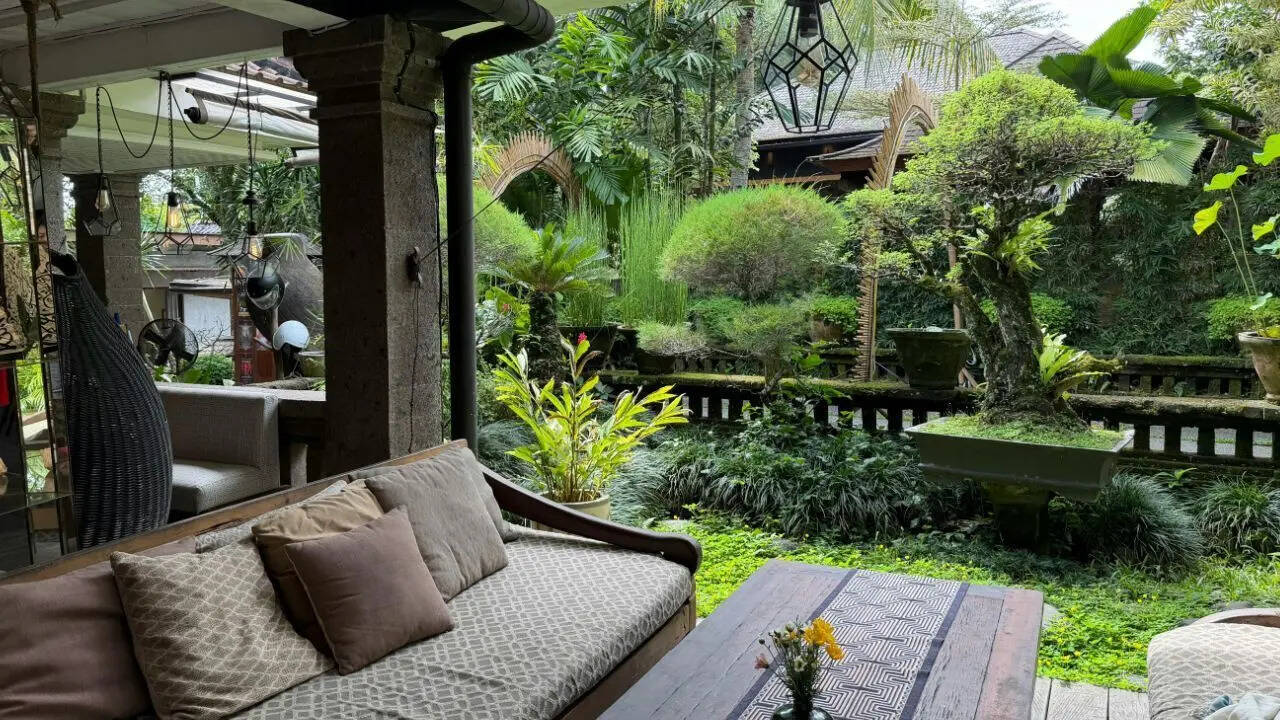
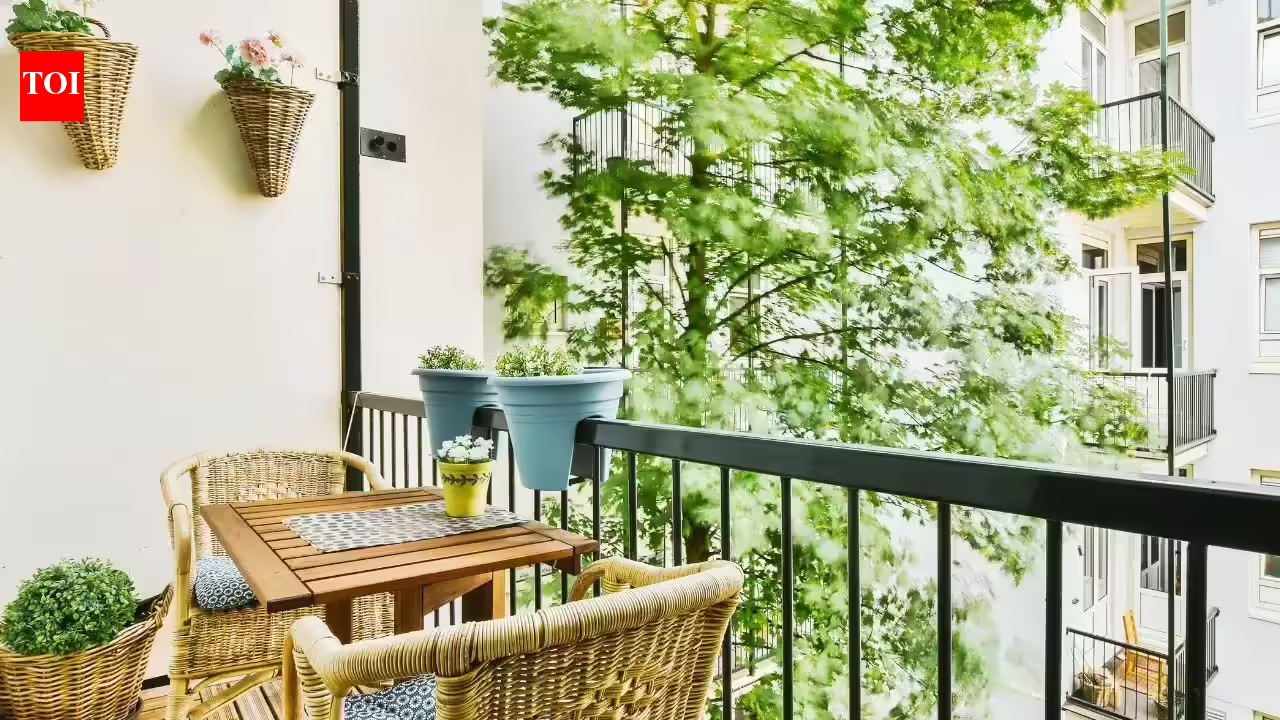
Surface material selectionSurfaces and material selection inside the home also plays a critical role as some materials hold heat longer than others. Thick rugs, heavy upholstery or sofas, and layered fabrics can trap warmth throughout the day. By the time evening comes, they release that heat back into the room. Switching to lighter materials can make a difference. Cotton fabrics, thinner rugs, swapping a synthetic rug for a cotton dhurrie, or replacing a heavy sofa for the summer months, changes the room’s heat-release behavior.BalconiesBalconies are among the most misused spaces in Indian apartments during the summer as they are often treated as separate spaces. A west or south-facing balcony receiving direct afternoon sun becomes a heat source for the adjacent room. The air entering from that side is already several degrees warmer than the internal ambient air. A simple bamboo-based blind, a fabric cover, or a row of medium-sized potted plants along the balcony edge can reduce the heat that reaches the interior of the home. Balconies designed this way would function as a microclimate buffer, enabling sustained usage of the balcony spaces and keeping the interior spaces ambient and comfortable. These practical interventions also optimize the AC cooling effect at the home, reducing the energy consumption and improving cost savings.Ceilings and artificial lights Beyond windows, balconies and surfaces, other often ignored factors are ceilings and artificial lighting. Heat rises and gets accumulated at the ceiling, and in apartments with low or false ceilings, that warm layer radiates downward in the evening or night. Practical interventions like reversing the direction of the ceiling fan, which most fans allow through a small toggle on the motor housing, ensures the blades push air downward rather than circulating it upward. This simple adjustment costs nothing and improves how the room feels at night.In terms of artificial lighting, older incandescent and halogen bulbs generate significant heat, and in smaller rooms this contributes more to indoor warmth than people realize. Switching to LED lighting reduces heat and electricity load. These small choices begin to compound with the cumulative effect of these modest adjustments. Most of these changes are practical and do not require any major renovation or structural work. They require personal attention to the finer details, and a willingness to make small adjustments before the heat sets in. Done early in the season, these adjustments improve how a rental home experiences through the summer.