




A lost tooth has always felt permanent. Fillings, implants, and dentures stepped in as fixes, not true replacements. But a new line of research is beginning to question that finality. Scientists are now studying how the body’s own stem cells might rebuild parts of a tooth, and even the bone that holds it in place.Recent studies are not promising instant regrowth tomorrow. What they offer instead is something more valuable: a clearer map of how teeth and surrounding bone form in the first place.
The hidden architects inside your teeth
At the center of this research lies a small but powerful group of cells found in the apical papilla, a tissue at the tip of a developing tooth root. These cells behave like builders waiting for instructions.The study highlights a specific group called CXCL12-positive cells. These cells respond to low oxygen levels, something that happens naturally when a tooth root begins to form. Under these conditions, they switch on and begin creating two key structures:Odontoblasts, which form dentin (the hard tissue beneath enamel)Cementoblasts, which help anchor the tooth to the surrounding boneWhat stands out is their flexibility. Under certain conditions, these same cells can even turn into bone-forming cells. That kind of adaptability is rare and valuable in regenerative medicine.For those interested in digging deeper into government-backed research, the National Institutes of Health hosts several studies on dental stem cells and regeneration.
Why signaling pathways matter more than we thought
Cells do not act alone. They respond to signals, almost like instructions in a complex system. One of the most important signals in this process is the Wnt pathway.The study shows that when Wnt signaling is active, these stem cells follow the right path and become tooth-forming cells. When it is switched off, things go wrong. Instead of forming dentin, the cells drift into other roles, and the tooth root fails to develop properly.Another pathway, TGF-beta, seems to step in as a regulator. When things go off track, adjusting this pathway may help bring the cells back to their intended function.This level of control suggests something important: regrowing a tooth is not just about having stem cells. It is about guiding them correctly.
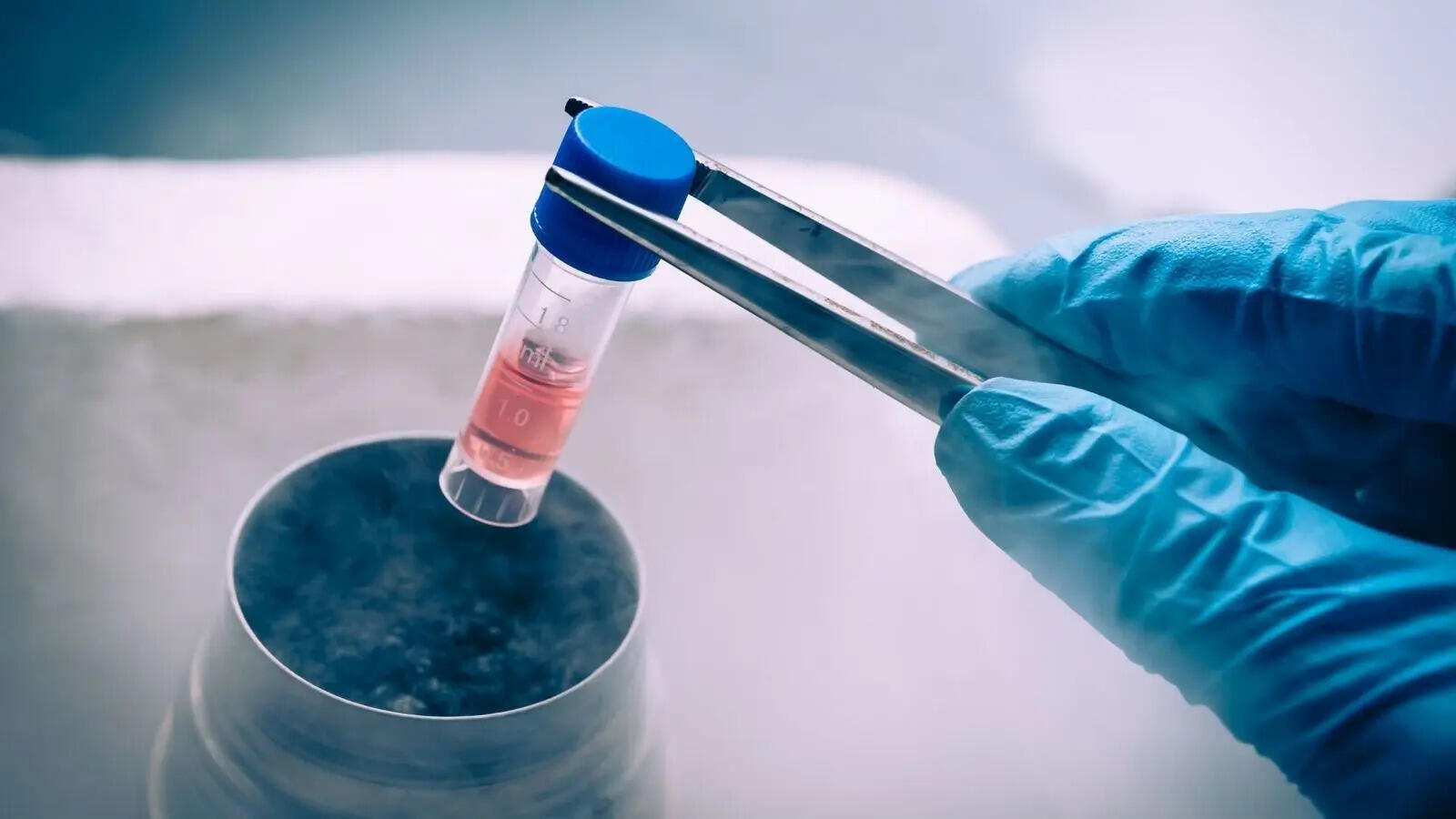
While the findings open doors to regenerative dental treatments, practical use in humans still requires more study.
The bone connection: A second study adds depth
Teeth do not stand alone. They rely on the alveolar bone, the structure that holds them firmly in place. A second study looks at how this bone forms.Here, researchers focused on cells from the dental follicle, another tissue surrounding the developing tooth. These cells respond to a different signal called the Hedgehog pathway.This pathway must turn on and off at the right time. If it stays active for too long, bone formation weakens. When regulated correctly, these cells become osteoblasts, the builders of bone.This controlled “on-off” mechanism shows how delicate the process is. Bone growth around teeth is not constant; it is carefully timed.
What this means for the future of dental care
So, can teeth regrow naturally soon? Not yet. The research is still at a stage where scientists are understanding the rules, not applying them widely.But the direction is clear. If these stem cells can be guided safely, future treatments may move beyond implants. Instead of replacing a tooth, dentists could help the body rebuild it.
A measured look at the limitations
It is easy to get carried away with headlines about “tooth regrowth.” The truth is more careful.These findings come largely from controlled lab and animal studies.Human trials are still limitedLong-term safety and consistency remain unansweredIn simple terms, the science is promising, but not ready for everyday dental clinics.